From junior and amateur play to collegiate and resort-level competition, these tennis facilities give planners and players standout places to compete, train and enjoy the game.
Tennis is a sport people of all ages can enjoy, from junior players and adult amateurs to collegiate athletes and professionals. Whether you prefer singles or doubles, tournaments or exhibitions, indoor or outdoor courts, the United States offers a wide range of dynamic tennis facilities built for training, competition and destination travel.
The best tennis courts for sports events combine quality playing surfaces, enough courts for tournament scheduling, spectator areas, lighting, locker rooms, staff support, nearby hotels and easy transportation access.
From Georgia to California and New Jersey to Florida, here are 11 impressive tennis facilities in the U.S. that stand out for their courts, amenities, history, programming or event-hosting potential.
Browse all Tournament Ready Tennis Centers using our Facility Finder
Rome Tennis Center at Berry College
Berry, Georgia
Rome Tennis Center
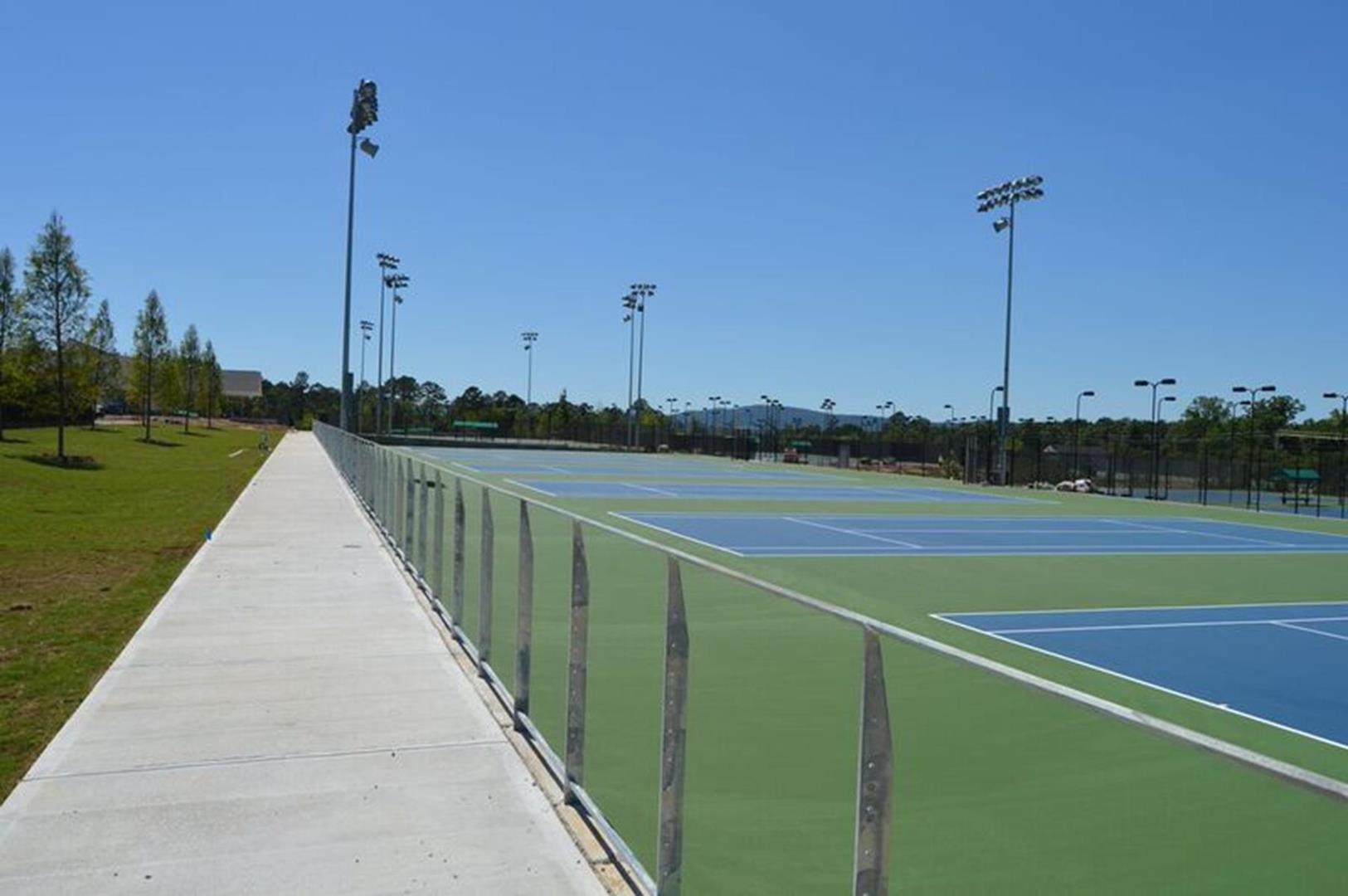
Rome Tennis Center at Berry College is fully established as one of the country’s largest hard-court tennis facilities, with 57 courts, including six indoor courts, three stadium-style courts and a downtown racquets center.
The facility was built with tournament play in mind. Its 30-acre campus includes NCAA-regulation courts, lighted play, shade structures and a panoramic viewing porch that helps spectators follow the action.
Rome’s location in northwest Georgia, between Atlanta, Birmingham and Chattanooga, gives the facility a strong regional draw for junior, collegiate and adult tournaments.
Planner takeaway: Rome Tennis Center is one of the strongest options on this list for high-volume tournaments that need court depth, indoor backup and a Southeast location.
Ballen Isles Tennis Center
Palm Beach Gardens, Florida
Ballen Isles Tennis Center
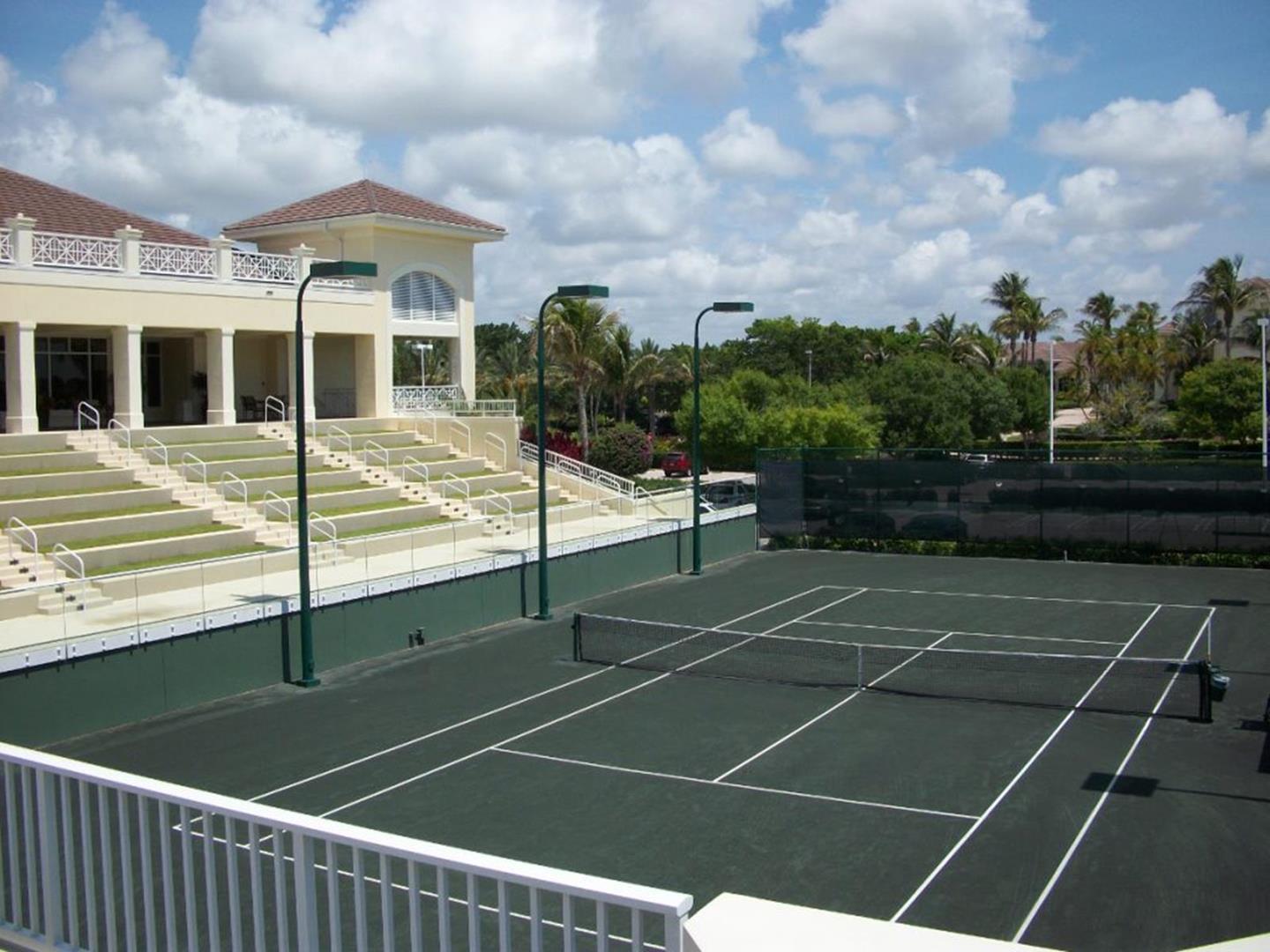
BallenIsles Country Club remains one of South Florida’s premier private racquet facilities. Its current Sports & Lifestyle Complex includes 21 tennis courts and 13 pickleball courts, with an exhibition stadium court where Venus and Serena Williams have trained.
The club’s tennis operation includes Har-Tru clay courts, hard courts and a stadium court that seats 500 spectators. For serious players, Palm Beach Gardens is also part of a broader tennis-rich region with a strong year-round playing culture.
Because BallenIsles is a private country club, planners should confirm event access, rental availability and member restrictions before building an event concept around the facility.
Planner takeaway: BallenIsles is best positioned for private events, member tournaments, invitationals and high-end racquet experiences rather than open public tournament bids.
Charleston Tennis Club
Charleston, West Virginia
Charleston Tennis Club continues to serve as a major racquet-sports hub in West Virginia. The club currently lists 11 outdoor tennis courts, six indoor courts, 10 outdoor pickleball courts, a swimming pool, snack bar, clubhouse/restaurant, fitness center and hiking trail.
The indoor-outdoor court mix makes the club useful for year-round tennis programming. Its broader amenities also help support events where families and participants may spend extended time on-site.
Charleston Tennis Club regularly supports lessons, leagues, camps and tennis programming for a variety of player levels. As with any private or semi-private club environment, planners should verify guest policies, court availability and event requirements early.
Planner takeaway: Charleston Tennis Club is a strong regional option for events that need indoor-outdoor flexibility, fitness amenities and a club-based setting.
Hurd Tennis Center
Waco, Texas
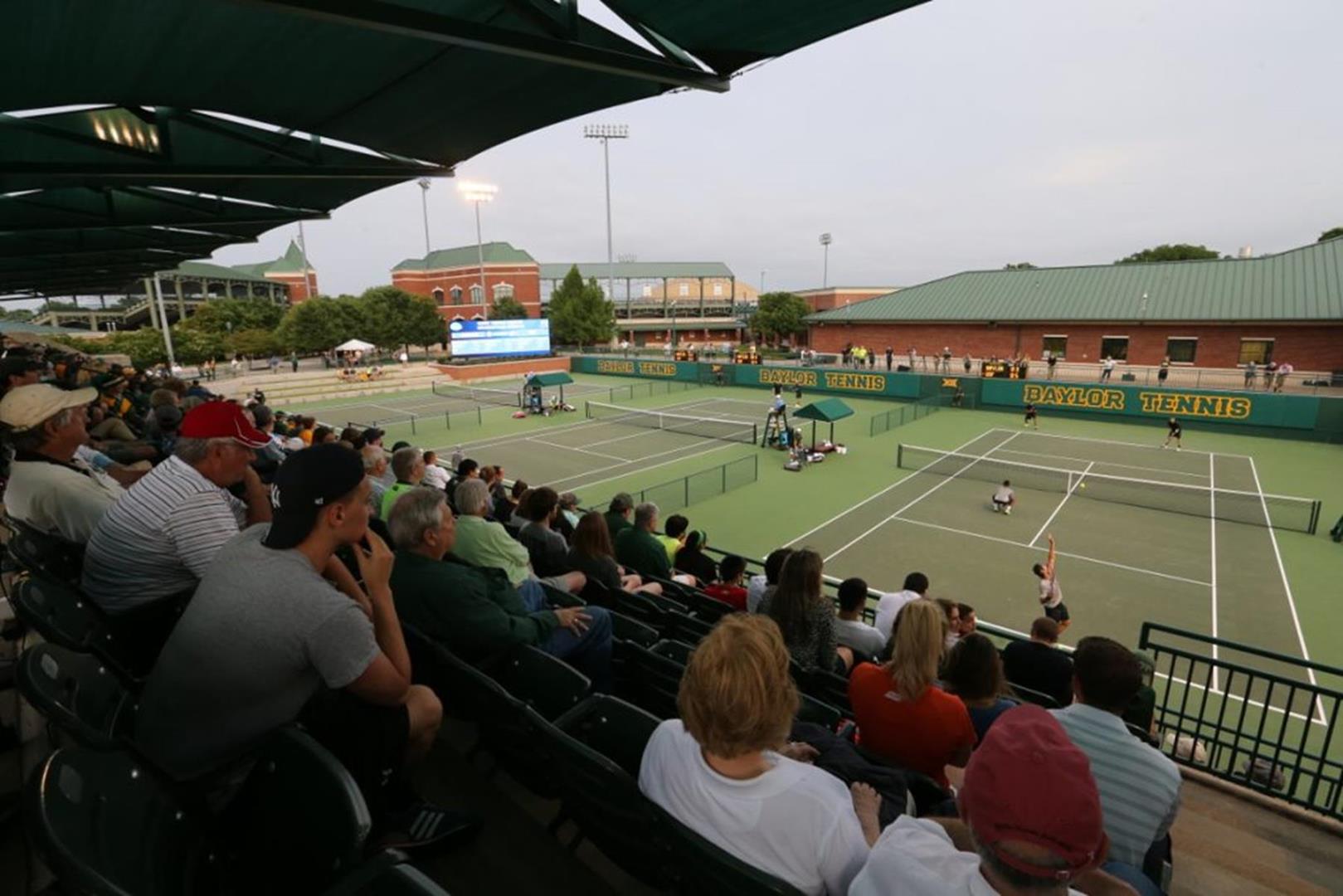
Hurd Tennis Center
Hurd Tennis Center is home to Baylor University’s men’s and women’s tennis programs. The complex includes 12 outdoor courts and the Hurd Tennis Building, which supports the day-to-day operations of Baylor tennis.
The adjacent Jim and Nell Hawkins Indoor Tennis Center adds six indoor courts, allowing Baylor teams to practice and compete year-round despite weather. Baylor Athletics notes that the indoor center, together with Hurd Tennis Center, provides a state-of-the-art facility for the university’s tennis programs.
For planners, the facility’s value is tied to its collegiate setting. University tennis venues can provide strong competition environments, but outside events typically require coordination with athletics schedules, campus policies and university operations.
Planner takeaway: Hurd Tennis Center is a strong example of a collegiate tennis venue with outdoor courts, indoor backup and high-level training infrastructure.
Wintergreen Resort
Wintergreen, Virginia
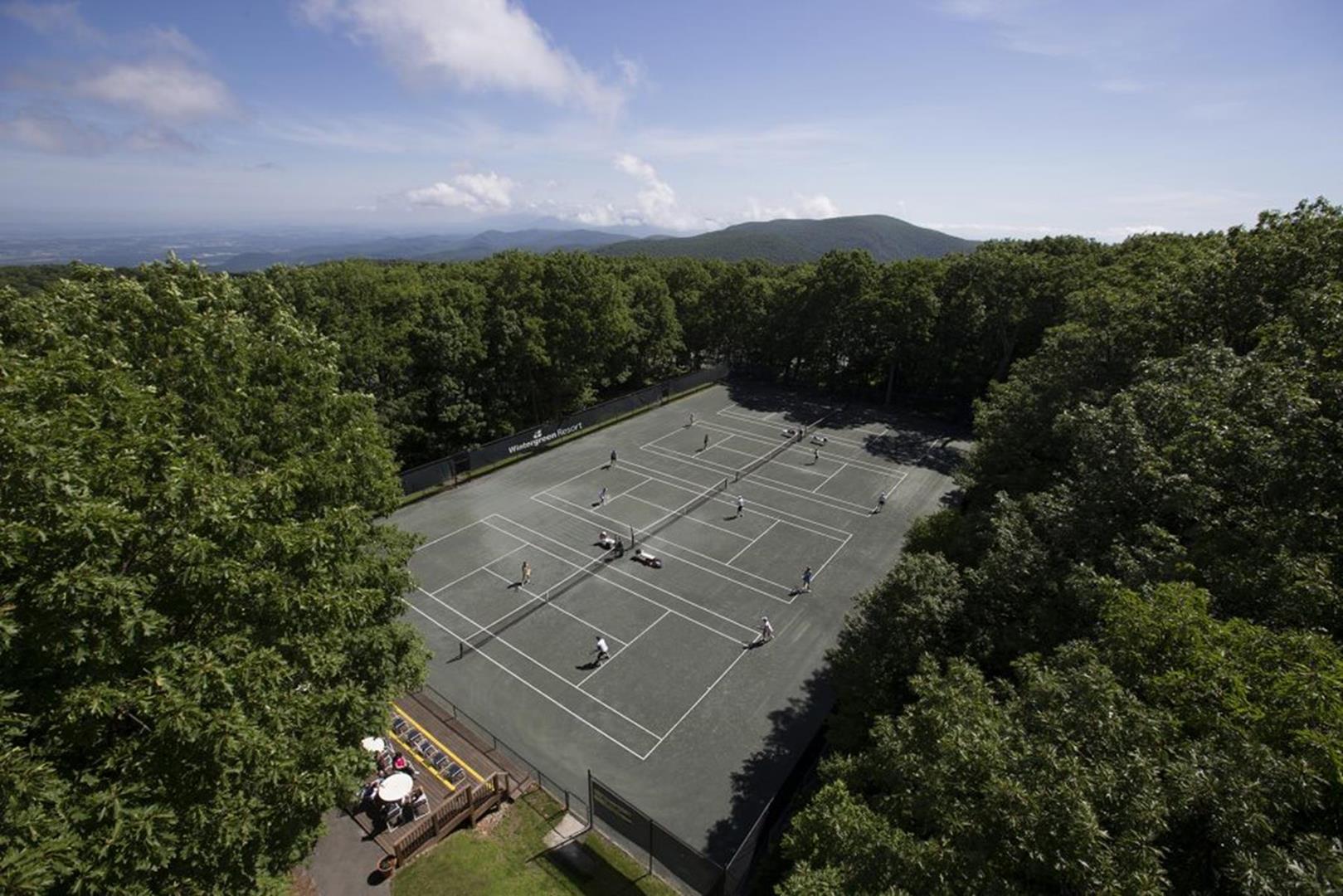
Wintergreen Resort
Wintergreen Resort gives tennis players a mountain setting in Virginia’s Blue Ridge region. Its racquet sports facilities at Devils Knob and Stoney Creek include 16 clay tennis courts and three indoor DecoTurf courts, along with pickleball facilities.
Wintergreen has long been recognized for racquet-sports programming, with resort rankings and tennis camps contributing to its reputation. For players, the combination of mountain scenery, resort lodging and indoor-outdoor play creates a tennis getaway atmosphere that differs from a traditional municipal or collegiate complex.
For event planners, Wintergreen may be especially useful for camps, retreats, adult tournaments and resort-based tennis programming where lodging, food and recreation are part of the experience.
Planner takeaway: Wintergreen is best suited for resort-style tennis events, camps and group travel experiences where the setting is part of the appeal.
The Tennis Gardens at Longboat Key Club
Longboat Key, Florida
The Tennis Gardens at Longboat Key Club remain a standout coastal tennis destination on Florida’s Gulf Coast. The facility offers 20 Har-Tru courts set amid landscaped grounds near Sarasota Bay.
Longboat Key Club’s tennis programming includes lessons and resort-based racquet experiences, making it appealing for players who want competitive play in a destination setting. The facility also includes a USTA-certified stadium court.
For planners, the venue’s strongest advantage is the combination of court quality, resort amenities and Florida’s year-round tennis climate. Because it is part of a resort and club environment, event planners should confirm availability, guest access and group policies.
Planner takeaway: Longboat Key Club is a strong fit for destination tennis experiences, adult events, resort tournaments and high-end group travel.
Michael and Anne Greenwood Tennis Center
Stillwater, Oklahoma
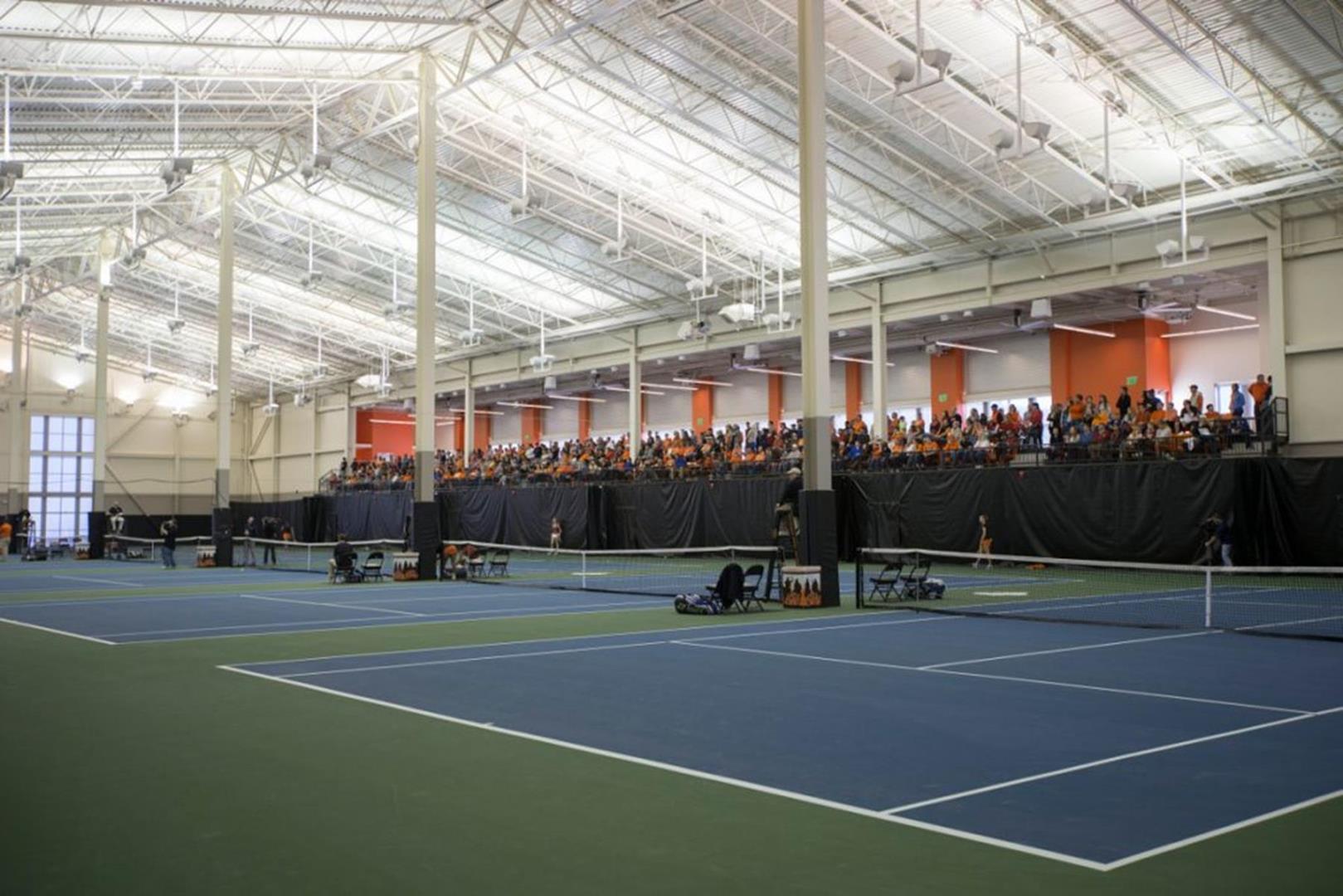
Greenwood Tennis Center
Home to Oklahoma State University tennis, the Michael and Anne Greenwood Tennis Center remains one of the Big 12’s standout collegiate tennis facilities. The center includes 12 lighted outdoor courts and six indoor courts, along with locker rooms, coaches’ offices and sports medicine space.
The indoor facility is designed for both training and spectator viewing, with seating for at least 350 spectators. For collegiate competition, that mix of indoor and outdoor play creates flexibility that is especially useful during unpredictable weather.
For planners, Greenwood is best understood as a university athletics venue. Outside event opportunities may depend on Oklahoma State’s team schedules, campus policies and tournament calendar.
Planner takeaway: Greenwood Tennis Center is ideal as a model for collegiate tennis infrastructure, offering indoor-outdoor flexibility, team support areas and high-level spectator design.
Dan Magill Tennis Complex
Athens, Georgia

Dan Magill Tennis Complex
The Dan Magill Tennis Complex at the University of Georgia remains one of the largest and most recognized on-campus tennis facilities in the country. It includes 16 total courts, 12 outdoor and four indoor, with seating capacity of more than 5,000 fans.
The complex has a deep NCAA championship history. Georgia has hosted the combined NCAA Tennis Championships multiple times, reinforcing Athens’ place in the collegiate tennis landscape.
For planners, the facility’s scale and history make it attractive, but access will depend on university calendars, postseason play, athletic department policies and event fit.
Dan Magill Tennis Complex is iconic because it combines large on-campus seating, 16 courts and a long history of hosting NCAA tennis championships.
Planner takeaway: Dan Magill Tennis Complex is one of the best examples of a collegiate tennis venue with true championship identity and spectator capacity.
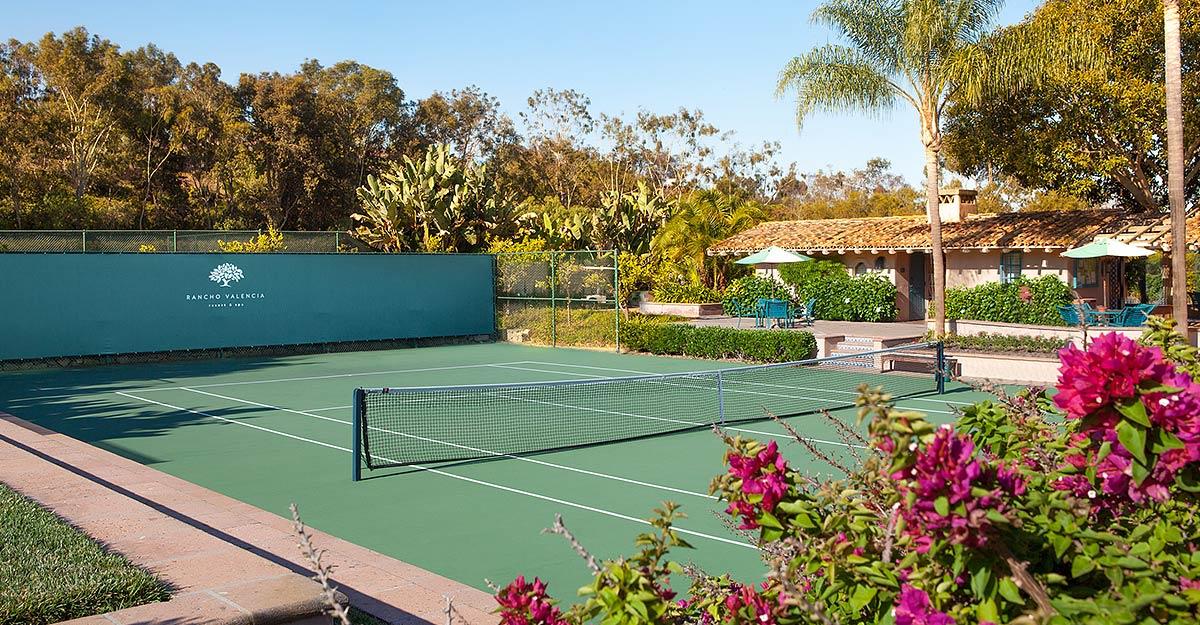
Rancho Valencia Resort & Spa
Santa Fe, California

Rancho Valencia
Rancho Valencia remains one of Southern California’s premier tennis resorts, with 12 Plexipave championship courts, three European red clay courts, three padel courts and four pickleball courts.
The resort’s tennis program includes lessons, clinics, match arranging, leagues and mixers, along with a junior tennis program for ages four and up. Its 45-acre resort setting also includes lodging, spa, dining and wellness amenities, making tennis part of a broader luxury travel experience.
For sports planners, Rancho Valencia is better suited for premium retreats, tennis getaways, small-group events and branded racquet experiences than for large public tournaments.
Planner takeaway: Rancho Valencia is a standout West Coast option for luxury tennis programming, resort retreats and high-touch racquet-sports experiences.
New Shrewsbury Racquet Club
Tinton Falls, New Jersey
New Shrewsbury Racquet Club has changed since the original article. It now lists nine indoor tennis courts and seven indoor pickleball courts, with no membership fees required.
The club’s tennis programming includes junior programs, adult clinics and private lessons, all supported by indoor hard courts with upgraded lighting and large ceiling fans. This makes the facility useful for year-round training in a region where winter weather can limit outdoor play.
While it does not have the scale of some larger tournament destinations on this list, NSRC’s indoor setting gives it practical value for clinics, local tournaments, junior development and adult play.
Planner takeaway: New Shrewsbury Racquet Club is best for indoor tennis programming, year-round clinics and smaller-format events in the New Jersey market.
Palmetto Tennis Center
Sumter, South Carolina
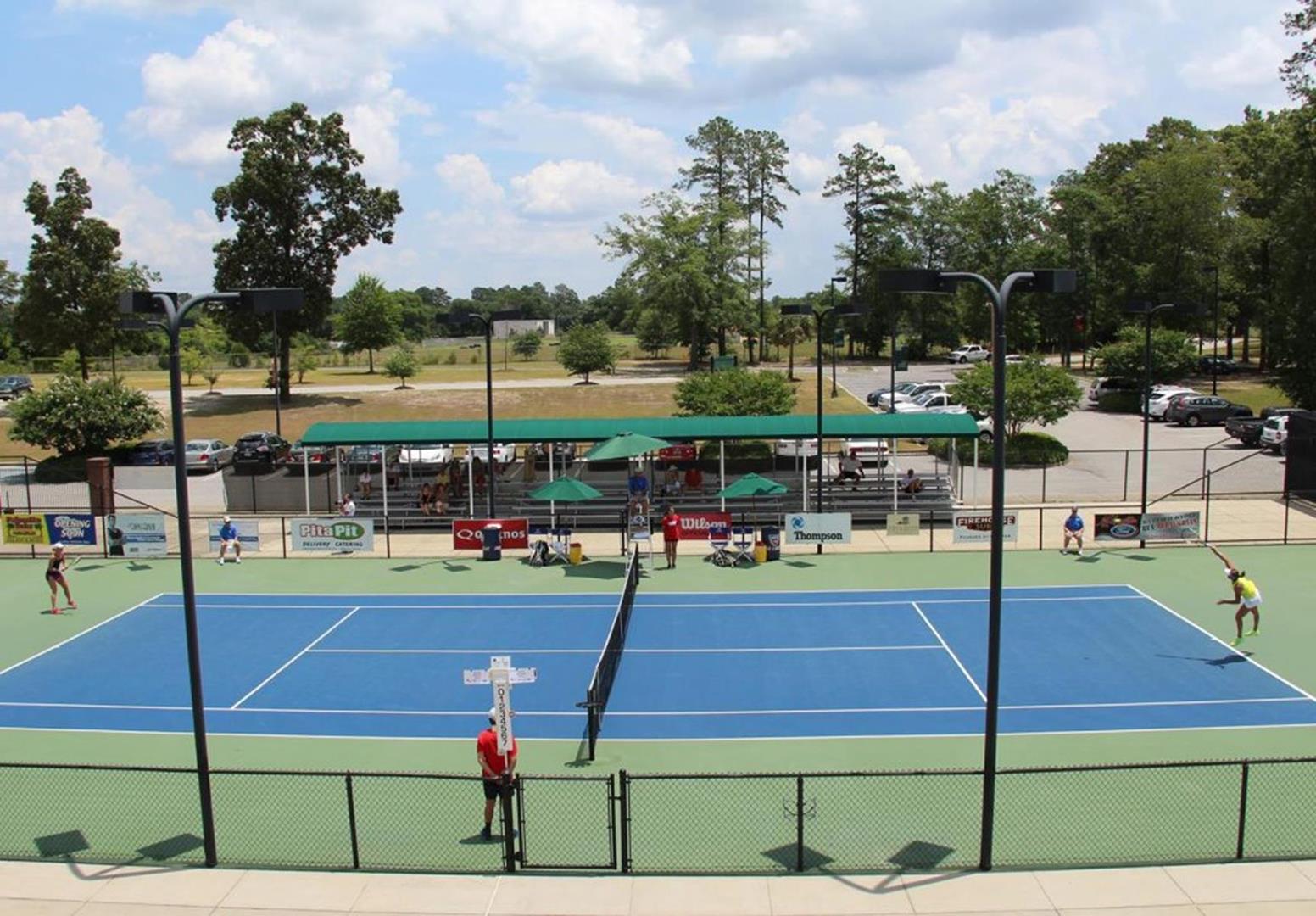
Palmetto Tennis Center
The City of Sumter now lists 24 hard courts, eight red clay courts and four pickleball courts, all lighted for evening play.
The addition of the Philip L. Edwards Tennis Complex, which opened in early January 2025, brought authentic German red clay courts to the facility. The center also offers a pro shop, ball machines, racquet stringing, a tournament training center and instruction for players of varying ages and skill levels.
Located inside Palmetto Park, the center combines tournament-ready court volume with community recreation amenities. For planners looking at the Southeast, the hard-court and clay-court mix gives Sumter a distinctive offering.
Planner takeaway: Palmetto Tennis Center is one of the strongest public-facing tennis facilities on this list for tournament planners, with court volume, lighting, clay expansion and municipal support.
What Planners Should Look for in a Tennis Facility
The best tennis courts for events are not always the most famous. The right venue depends on tournament size, player level, season, surface preference and travel logistics.
When evaluating tennis facilities, planners should ask about:
- Number of playable courts
- Indoor backup or weather contingency
- Court surfaces, including hard, clay or Har-Tru
- Lighting for evening play
- Locker rooms, restrooms and player support areas
- Spectator seating and shade
- Pro shop, stringing and ball machine access
- Parking and bus access
- Nearby hotels and restaurants
- Tournament desk, scoring and technology support
- Guest access rules for private clubs or resorts
For tennis tournament planning, court count and surface quality matter most, but logistics such as weather backup, lighting, hotels, parking and event staffing often determine whether the event runs smoothly.
Whether you are planning a youth tournament, collegiate showcase, adult league event or destination tennis retreat, these iconic tennis courts in the United States show how different types of facilities can serve different event goals.
FAQ
What makes a tennis facility good for tournaments?
A strong tournament facility should have enough courts for the draw size, quality surfaces, lighting, player areas, spectator space, parking and nearby hotels. Indoor backup can also be important in regions with frequent rain or heat concerns.
Are private tennis clubs good options for sports planners?
They can be, but planners should confirm guest access, rental rules, member priority, food and beverage policies and insurance requirements. Private clubs often work best for invitationals, retreats or member-connected events.
Why do tennis planners care about court surface?
Surface affects speed of play, player comfort, maintenance and scheduling. Hard courts are common for tournaments, while clay and Har-Tru surfaces can appeal to adult players, resort guests and certain training programs.
How many courts are needed for a tennis tournament?
It depends on the number of players, divisions, match format and days available. Large junior or collegiate events may need dozens of courts, while smaller adult events can work with fewer courts if scheduling is well managed.
Which facilities on this list are strongest for large tournaments?
Rome Tennis Center at Berry College, Palmetto Tennis Center and Dan Magill Tennis Complex stand out for court volume or championship infrastructure. Collegiate and resort venues may also work, depending on availability and event type.