Pick a sport, and it’s likely there’s a major facility in the United States built to help athletes train for international competition. For planners, these venues can also be a strong fit for elite camps, NGB (national governing body) events, clinics, and showcase experiences—especially when you need reputable infrastructure, experienced staff, and dependable operations.
Olympic training centers in America usually refers to (1) official U.S. Olympic & Paralympic Training Centers and (2) U.S. Olympic & Paralympic Training Sites—facilities around the country designated for specific sports and performance needs.
Utah Olympic Park
Park City, Utah
Built for the Salt Lake 2002 Olympic Winter Games, this nearly 400-acre venue is open year-round and continues to operate as an official USOPC Training Site. It houses one of only four sliding tracks in North America and six Nordic ski jumps, along with museums and year-round programming.
Planner notes
-
Best for: sliding sports (bobsled/skeleton/luge), ski jumping, winter-sport development camps
-
On-site differentiators: Olympic legacy museums and spectator-friendly “learn about the sport” experiences
-
Access: Park City area; within driving distance of Salt Lake City metro and airport (plan for mountain weather variables).
Hill Country Shooting Sports Center
Kerrville, Texas
Located in the Texas Hill Country, this venue has been recognized in USOC materials as an Olympic Training Site (notably for shooting disciplines) and is built around a full-service range environment.
Planner notes
-
Best for: sanctioned shooting-sport competitions, clinics, and training blocks (coordinate closely with the host/NGB)
-
Operations reminder: confirm current certification status, permitted event formats, and all local/state compliance requirements before promoting dates. (Keep all safety and legal language venue-led and policy-based.)
OKC National High Performance Center
Oklahoma City, Oklahoma
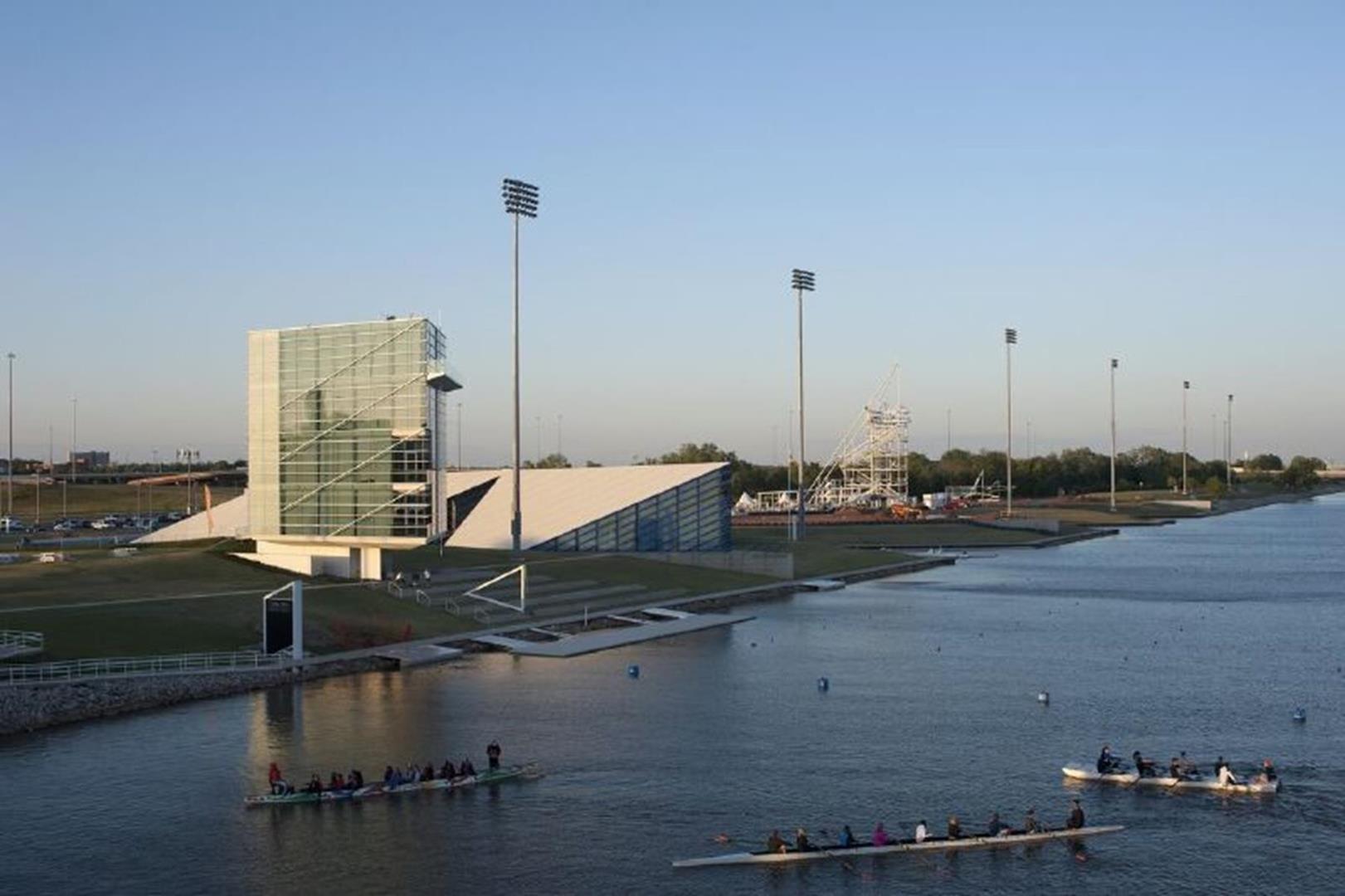
OKC National High Performance Center
Oklahoma City’s Boathouse District includes a high-performance center designed for rowing and paddle sports training—supported by sport science and purpose-built infrastructure. The site has been described as a U.S. Olympic & Paralympic Training Site and is closely tied to competitive programming on the Oklahoma River.
Planner notes
-
Best for: rowing and paddle-sport events, development camps, time-trial formats
-
Programming angle: pairing competition with “try-it” community activations can help sponsors and host partners justify broader impact
-
Venue questions to ask: course configuration, dock/boat storage logistics, timing/scoring, and weather protocols (wind is a real variable on flatwater venues).
U.S. Olympic & Paralympic Training Center
Colorado Springs, Colorado
If you want the most “core” answer to where U.S. athletes train, Colorado Springs is one of the flagship U.S. Olympic & Paralympic Training Centers.
Planner notes
-
Best for: multi-sport high-performance programming, training summits, education-heavy events (coach development, sport admin convenings)
-
Why planners like it: strong brand signal, proven operations, and an environment built around athlete services and performance culture
-
Ask early: high-performance calendars can limit windows for larger outside events.
Coconut Grove Sailing Club / US Sailing Center Miami (Coconut Grove)
Miami, Florida
Coconut Grove is a long-standing sailing hub on Biscayne Bay. The US Sailing Center Miami has been cited as an Olympic Training Site, and the local sailing ecosystem supports junior and advanced training pipelines.
Planner notes
-
Best for: sailing clinics, regattas, junior development programming
-
Event packaging idea: waterfront social functions and sponsor experiences can be a major add-on value in Miami
-
Logistics to confirm: launch capacity, storage/rigging space, and transport planning between lodging and waterfront access points.
U.S. National Whitewater Center
Charlotte, North Carolina
Opened to the public in 2006, the U.S. National Whitewater Center is a large-scale venue for rafting, kayaking, canoeing, trail sports, and more. It has also hosted Olympic Trials-related activity in paddle sports, underscoring its role as a serious competition environment.
Planner notes
-
Best for: whitewater festivals, slalom-style programming, multi-discipline “outdoor sport weekend” event builds
-
Crowd ops: spectator flow and participant staging matter here—build your run-of-show around waves/starts and controlled access points
-
Travel note: Charlotte’s airport access is a plus for national draws.
Finn M. W. Caspersen Rowing Center (Mercer Lake)
West Windsor, New Jersey
This East Coast rowing hub supports major regattas and has a long history of elite training. The venue has also held a USOPC training-site license in the past; the Princeton National Rowing Association notes that this licensing period ended in 2021.
Planner notes
-
Best for: regattas, time trials, championship-style race weekends
-
Critical questions: launch and marshal areas, finish-line production needs, and spectator viewing zones
-
Regional advantage: dense hotel inventory within broader NJ/Philly/NYC corridor—great for multi-day formats.
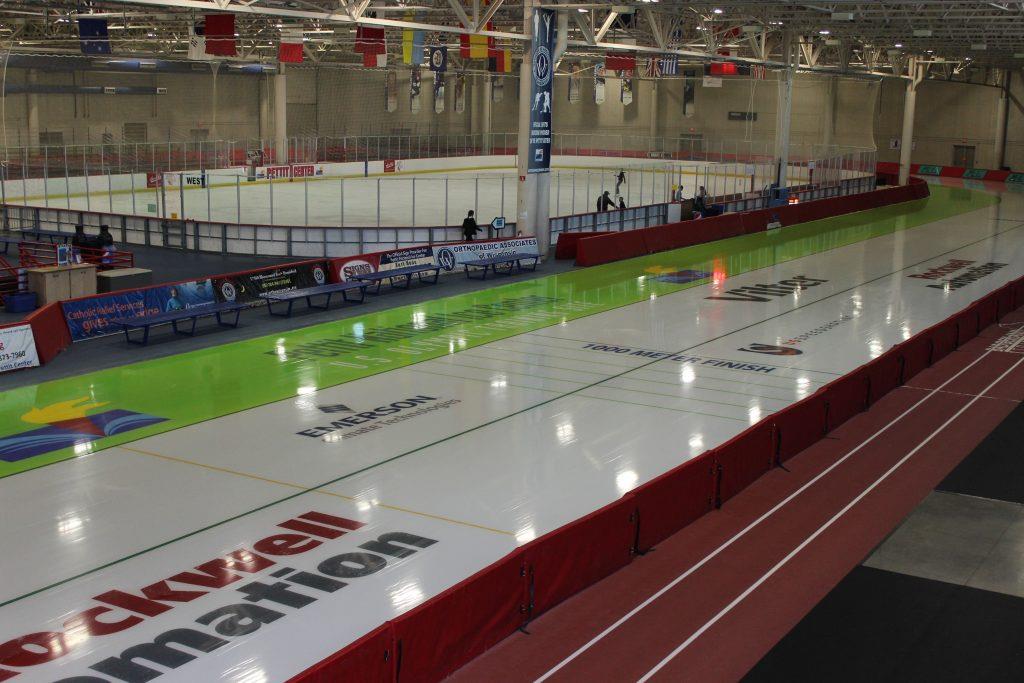
Pettit National Ice Center
Milwaukee, Wisconsin
For speed skaters, Pettit National Ice Center is a rare indoor venue with an Olympic-caliber oval and has been described as a U.S. Olympic & Paralympic Training Site for speed skating. It also includes international-sized rinks for hockey and skating.
Planner notes
-
Best for: speed skating meets, hockey events, multi-rink festival scheduling
-
Spectator ops: indoor format helps weather-proof the weekend and stabilize concessions/merch revenue
-
Bid tip: ask about turnkey event staffing, timing capabilities, and warm-up/race-session flow.
The common thread across Olympic training centers in America is reliability: purpose-built fields of play, experienced operators, and infrastructure designed for performance and crowd management. Treat each as a capacity + calendar question: what’s available, when, and under what operating requirements.
FAQ
1) Can planners rent Olympic training sites for tournaments or camps?
Often yes, but access varies by venue and season. Request the event packet early and confirm what’s public-facing vs. reserved for high-performance blocks.
2) What should a rights-holder ask first when bidding an Olympic training venue?
Start with calendar availability, sport-specific specs (course/surface/timing), and staffing. Then validate travel footprint: airports, hotel capacity, and ground transport.
3) Are these venues “official” Olympic facilities?
Some are official Training Centers, while others are designated Training Sites (sport-specific). Verify the current designation and scope with the venue before marketing it as “official.”
4) How far out should you book these venues?
For peak-season weekends and national draws, plan on longer lead times. A realistic first step is a soft hold request + hotel-block conversation to gauge feasibility.
5) What’s the best way to turn a high-performance venue into a stronger attendee experience?
Add structured spectator amenities: clear viewing zones, downtime programming, and a simple schedule grid. These venues shine when the event flow is tight and easy to navigate.