
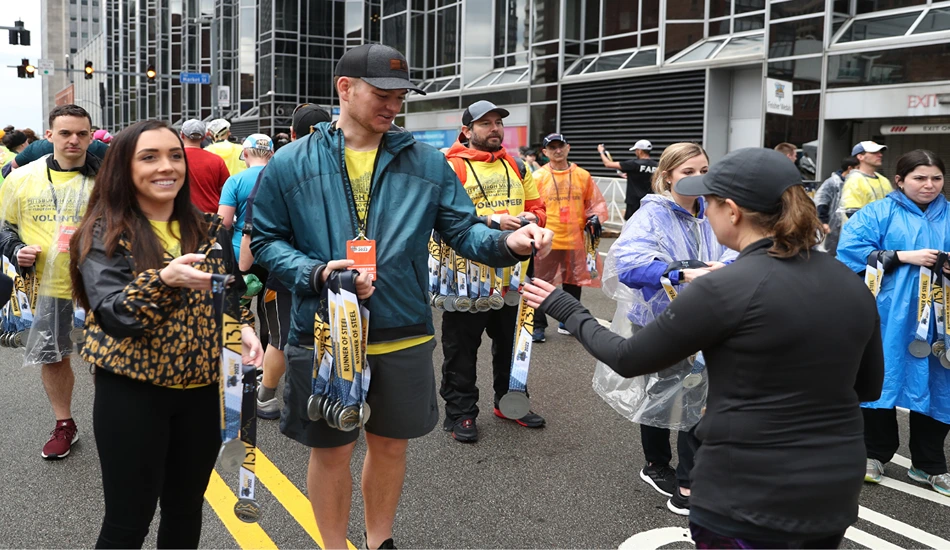
Behind every successful sports tourism event is a team of dedicated volunteers. From registration and ticketing to wayfinding, hospitality, crowd support and post-event cleanup, volunteers often become the friendly faces that shape the experience for athletes, families, spectators and visiting teams.
The best way to manage sports event volunteers is to define clear roles, recruit strategically, train early, communicate consistently, schedule carefully, support volunteers on-site and thank them after the event.
Volunteers do more than fill shifts. They serve as ambassadors for the host community. When they welcome visitors, answer questions and solve small problems with confidence, they help create a positive impression of the destination itself.
For event planners, tournament directors and sports tourism organizations, a well-organized volunteer program can improve operations, reduce stress and make the entire event feel more professional.
So, what steps can you take to prepare a successful volunteer program?
1. Set the Stage With Clear Objectives
Every successful event begins with clear objectives. Before recruiting volunteers, define what you need them to help accomplish.
Are you trying to:
- Streamline registration?
- Improve the spectator experience?
- Support athletes and coaches?
- Manage parking and wayfinding?
- Strengthen community engagement?
- Reduce pressure on paid staff?
- Create a better welcome for visiting teams?
Clear objectives help shape every part of your volunteer management strategy, from recruitment and training to scheduling and recognition.
Planner takeaway: Start with the event’s goals, then build volunteer roles around those goals.
2. Recruit Volunteers Strategically
Volunteer recruitment works best when you know who you are trying to reach. Identify the groups most likely to be interested in your event, then direct your outreach toward those networks.
Potential volunteer sources include:
- Local sports clubs
- High school and college students
- Civic groups
- Retired professionals
- Parents of athletes
- Returning event volunteers
- Tourism ambassadors
- Local businesses
- Faith-based and nonprofit groups
Craft detailed role descriptions that explain the responsibilities, time commitment, location, dress code and benefits of volunteering. People are more likely to sign up when they understand what they will be doing and why it matters.
Use multiple outreach channels, including your event website, email lists, social media, local schools, community groups and partner organizations. Returning volunteers can also be some of your best recruiters because they can speak honestly about the experience.
To recruit better sports event volunteers, write clear role descriptions, promote through community networks, invite past volunteers back and explain how each role supports the event’s success.
Planner takeaway: Do not simply ask for “help.” Ask for specific roles, shifts and skills.
3. Equip Volunteers With Knowledge
A well-trained volunteer team is a confident team. Training does not need to be complicated, but it does need to be clear.
Before the event, host an orientation session that covers:
- Event purpose and schedule
- Volunteer roles and expectations
- Arrival time and check-in location
- Parking instructions
- Dress code or uniform
- Emergency procedures
- Who to contact with questions
- How to respond to common attendee needs
- What volunteers should not handle on their own
Provide written materials volunteers can reference before and during the event. Even a one-page information sheet can help volunteers answer questions about restrooms, field locations, schedules, concessions, first aid, lost and found and parking.
Planner takeaway: Volunteers should never have to guess what to do, where to go or who to ask for help.
4. Communicate Effectively
Communication is one of the most important parts of volunteer management. Volunteers need to know what is happening before, during and after the event.
Use simple, consistent communication tools, such as:
- Email for pre-event details
- Text messages for urgent updates
- Volunteer management platforms for schedules
- Group messaging for shift leads
- Printed information sheets for on-site reference
- Social media for general reminders and community engagement
Keep messages short and practical. Volunteers should know when to arrive, where to park, what to wear, what to bring and who their supervisor is.
Good volunteer communication should be clear, timely and easy to act on. Send essential details before the event, provide a check-in point on-site and use quick alerts for schedule changes or urgent updates.
Planner takeaway: Overcommunicate the basics. Arrival time, parking, check-in and supervisor contact information should be impossible to miss.
5. Craft a Seamless Schedule
A strong schedule helps prevent confusion, overbooking and gaps in coverage. Build the volunteer schedule around the event timeline, not the other way around.
Plan for:
- Set-up shifts
- Registration and check-in coverage
- Peak arrival times
- Competition blocks
- Meal and break periods
- Award ceremonies
- Tear-down and cleanup
- Backup volunteers or floaters
Avoid long shifts without breaks, especially at outdoor events or roles involving standing, walking or guest interaction. Volunteers should receive their schedules well in advance so they can plan around the commitment.
Planner takeaway: A good volunteer schedule protects both the event and the volunteer experience.
6. Have a Plan for On-Site Management
Event day is when volunteer planning becomes visible. A strong on-site management plan helps volunteers feel supported and helps staff solve problems quickly.
Designate a volunteer coordinator or team lead who is responsible for:
- Volunteer check-in
- Shift assignments
- Badges, shirts or credentials
- Breaks and substitutions
- Answering questions
- Handling no-shows
- Escalating issues to event leadership
- Tracking volunteer hours
Create a central check-in location where volunteers can gather, receive instructions and ask questions. Provide clear identification, such as badges, shirts or lanyards, so athletes and spectators know who can help them.
Planner takeaway: Volunteers need a visible home base and a person in charge. Without that structure, small questions can quickly become operational problems.
7. Recognize and Appreciate Volunteers
Volunteer appreciation is not just a nice gesture. It helps morale, retention and future recruitment.
Recognition can include:
- Thank-you emails
- Handwritten notes
- Certificates
- Event shirts
- Meal vouchers
- Small gifts
- Public recognition on social media
- A post-event volunteer gathering
When possible, personalize your thanks. Mention the specific role the volunteer played or the problem they helped solve. If the event returns next year, use the post-event thank-you process to invite volunteers back early.
Volunteer appreciation improves retention. Thank volunteers quickly, recognize their specific contributions and invite strong volunteers to return for future events.
Planner takeaway: Volunteers who feel valued are more likely to come back, bring friends and become long-term event ambassadors.
8. Gather Feedback for Continuous Improvement
Every event should make the next one better. Volunteers often see details that leadership misses because they are stationed at entry points, registration tables, parking areas, fields, courts and information booths.
After the event, collect feedback through:
- Short surveys
- Check-out conversations
- Team lead notes
- Post-event debrief meetings
- Email follow-ups
Ask what worked, what was confusing, what guests asked most often and what should change next time. Keep the process simple so volunteers are more likely to respond.
Planner takeaway: Volunteer feedback can reveal practical improvements in signage, scheduling, communication, training and guest experience.
9. Build Community Engagement
A strong volunteer program can become a community-building tool. Sports tourism events bring athletes, families and fans into a destination, and volunteers help show those visitors what the community is all about.
Share volunteer success stories on your website, email newsletter and social media channels. Highlight why people volunteer, how they help and what the event means to the host community.
Encourage volunteers to share their own experiences as well. Their stories can attract new recruits, strengthen local pride and show sponsors or community partners that the event has value beyond the competition itself.
Planner takeaway: Volunteers are not just event helpers. They are part of the destination experience.
Effective Volunteer Management Systems: A Must-Have Tool
A volunteer management system, or VMS, can make a major difference for sports tourism events, especially as the number of volunteers grows. Managing sign-ups, schedules, training records and communication manually can work for a small event, but it becomes difficult as events expand.
A volunteer management system can help with:
Efficient Resource Allocation
A VMS helps match volunteers’ skills, interests and availability with specific roles. That makes it easier to place people where they can contribute meaningfully.
Streamlined Communication
Coordinating with a large volunteer workforce can be difficult without a central communication system. A VMS can help distribute updates, reminders, instructions and last-minute changes.
Scheduling and Shift Management
Volunteer schedules can become complicated quickly. A VMS can help create, update and share schedules while reducing conflicts, gaps and no-shows.
Data Management
A system can store volunteer contact information, preferences, training history and availability in one place. That makes it easier to prepare for recurring events and maintain accurate records.
Program Growth
As sports tourism events grow, manual volunteer management becomes harder to maintain. A VMS can scale with your event and help support larger or more complex operations.
Professionalism and Credibility
Using a volunteer management system shows volunteers, sponsors and participants that the event is organized and prepared. It can also improve confidence in the event’s overall operations.
Cost Efficiency
There may be a cost to adopting a system, but the long-term benefits can include less administrative work, fewer scheduling problems and better volunteer retention.
A volunteer management system helps sports event planners recruit, schedule, communicate with, track and retain volunteers more efficiently, especially for larger or recurring events.
Why Volunteers Matter in Sports Tourism
Sports tourism can bring new energy to the communities that host events. Local volunteers play a key role in that experience. They help visitors find their way, solve basic problems, answer questions and feel welcome.
That local warmth can leave a lasting impression on athletes and fans. A positive volunteer experience can encourage visitors to return, explore more of the destination and speak well of the event after they leave.
There has never been a more important time to build community around sports. With clear planning, strong communication and a committed volunteer base, everyone wins: the event, the host destination, the athletes, the spectators and the volunteers themselves.
By Paige Pennigar
Updated 2026