

Discover how innovation is reshaping softball for the next generation of young players
By Christopher D. Silbernagel
Youth softball is evolving faster than ever, driven by a wave of innovations in safety, equipment, training and strategy. From advanced arm support and impact-monitoring helmets to high-tech bats, footwear, and virtual reality systems, every aspect of the game is being reimagined to improve performance while reducing injury risk. Even communication and analytics are moving into the youth spectrum, giving coaches and players real-time insights that were once the domain of professional programs. Together, these developments are shaping the next era of softball to be smarter, safer and more technologically advanced at every level.
For more on baseball and softball trends, check out the full W2P: baseball & Softball guide
New safety and equipment trends
As youth sports push for a deeper understanding of the physical demands placed on young athletes, advancements in softball equipment are becoming increasingly focused on performance optimization and injury prevention.
For pitchers, stress on the shoulder and elbow remain a key concern, with research from The Kinetic Arm noting that young athletes experiencing arm pain often display altered mechanics and increased force at release. The response is newer forms of arm support, designed to stabilize both joints during high-stress pitching motions while still allowing full range of motion. This is an important shift toward proactive injury prevention, especially for young athletes who often don’t have access to the best doctors.
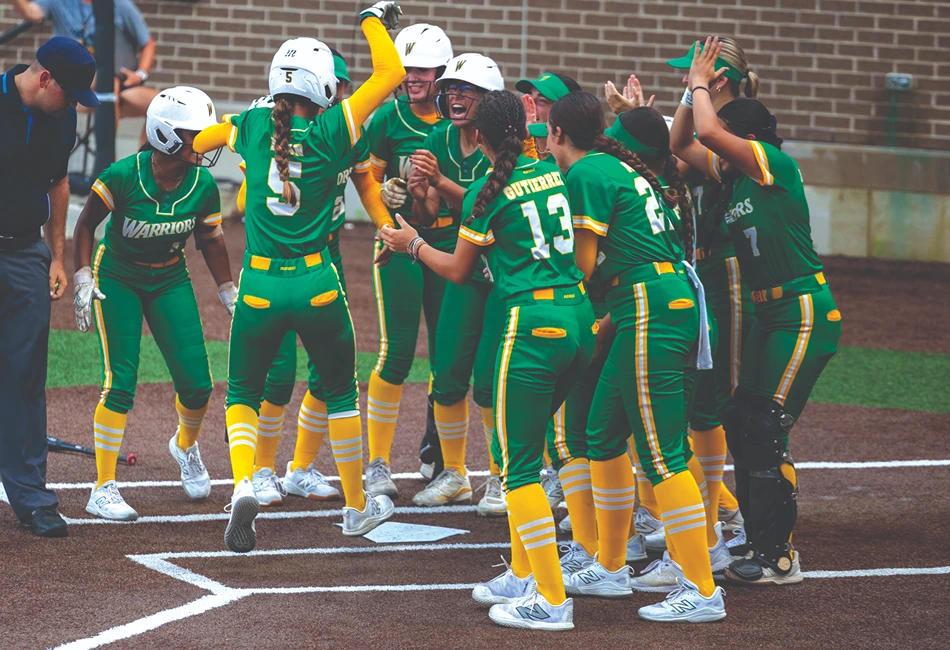
Player safety is also driving innovation in protective gear. Helmet technology now includes impact-monitoring capabilities that allow coaches and trainers to better assess potential injuries in real time, alongside improvements in ventilation and weight distribution that make equipment more practical for extended use. These developments signal a shift in prioritizing athlete safety, which had been neglected for far too long, even at the youth level, where managing risk is even more important than improving performance.
On the equipment side of advancements, bat construction, including refined composite materials, larger sweet spots and more balanced swing weights, help hitters generate more consistent contact and adapt their approach at the plate. On the movement side, footwear innovations are enhancing stability and acceleration across different playing surfaces, working to support quicker movements and more efficient play.
Immersive VR and mobile training
A technology shift has begun in the way that softball players, and by association baseball players, are being trained. Recent improvements to virtual reality are matching the speed and precision of modern softball with tools like TrainVR, which recreates in-game scenarios by using a headset and bat sensor. Players can perform in a simulated batter’s box and face lifelike pitching scenarios. The system tracks the batter’s swing decisions and timing, offering immediate feedback that helps to sharpen pitch recognition, one of the most difficult skills to develop through traditional practice. This means more meaningful repetitions without the physical strain of live pitching, all while building confidence at the plate.
By compressing game-like experiences into shorter training sessions, players are also allowed to see more pitches in less time to accelerate development similarly to how elite athletes train. Coaches can also tailor sessions to specific weaknesses, whether that involves recognizing off-speed pitches or improving reaction time.
Another tech advancement, which many in the pro sports realm are already deeply familiar with, is analytics. Launched in March 2026, Ember Sports’ mobile-based hitting and pitching analyzers deliver metrics such as exit velocity, launch angle, pitch speed and strike zone location directly through your smartphone. Integrated video tools also allow athletes and coaches to review mechanics frame by frame, compare performances over time and adjust where needed.

Improved communication and strategy
Professional-grade communication tech is increasingly influencing how softball teams operate on the field, with encrypted systems originally developed for higher levels of play now accessible to youth programs. Having this level of tech is enabling coaches to transmit pitch calls, defensive shifts and strategic adjustments in real time by reducing reliance on hand signals and verbal instructions.
Wearable “mobile solutions”—let’s just call them smart wristbands—allow coaches to send plays and instructions directly to each player’s own device so that everyone receives information at the same time. The goal is that with multi-angle visibility and clear, instant displays, athletes will be able to respond quicker and more confidently, even under pressure.
These types of systems also integrate analytics, allowing coaches to measure performances so that they can evaluate the effectiveness of their strategies and provide the best feedback for target areas for improvement.
Get the latest news and trends, facility details by subscribing to SPG.