Top-notch adaptive sports centers across the country are giving athletes with disabilities more opportunities to train, compete and experience sport.
Adaptive sports centers in the United States continue to expand what is possible for athletes with disabilities. From elite Paralympic training environments to community-based recreation programs, these facilities help athletes build strength, confidence and competitive opportunities in settings designed with access in mind.
Direct Answer: Adaptive sports centers provide accessible training, recreation and competition opportunities for athletes with physical, sensory, cognitive or developmental disabilities. For planners, these venues can support inclusive tournaments, camps, clinics and community programs.
The importance of adaptive sports extends beyond the athletes on the field, court, pool deck or mountain. These facilities also help destinations become more inclusive, attract specialized events and build stronger connections among athletes, families, coaches, volunteers and local communities.
For sports planners, rights-holders and CVB teams, the following facilities offer a strong look at how adaptive sport infrastructure can support both elite competition and everyday participation.
Chula Vista Olympic Training Center
Chula Vista, California
Chula Vista Olympic Training Center
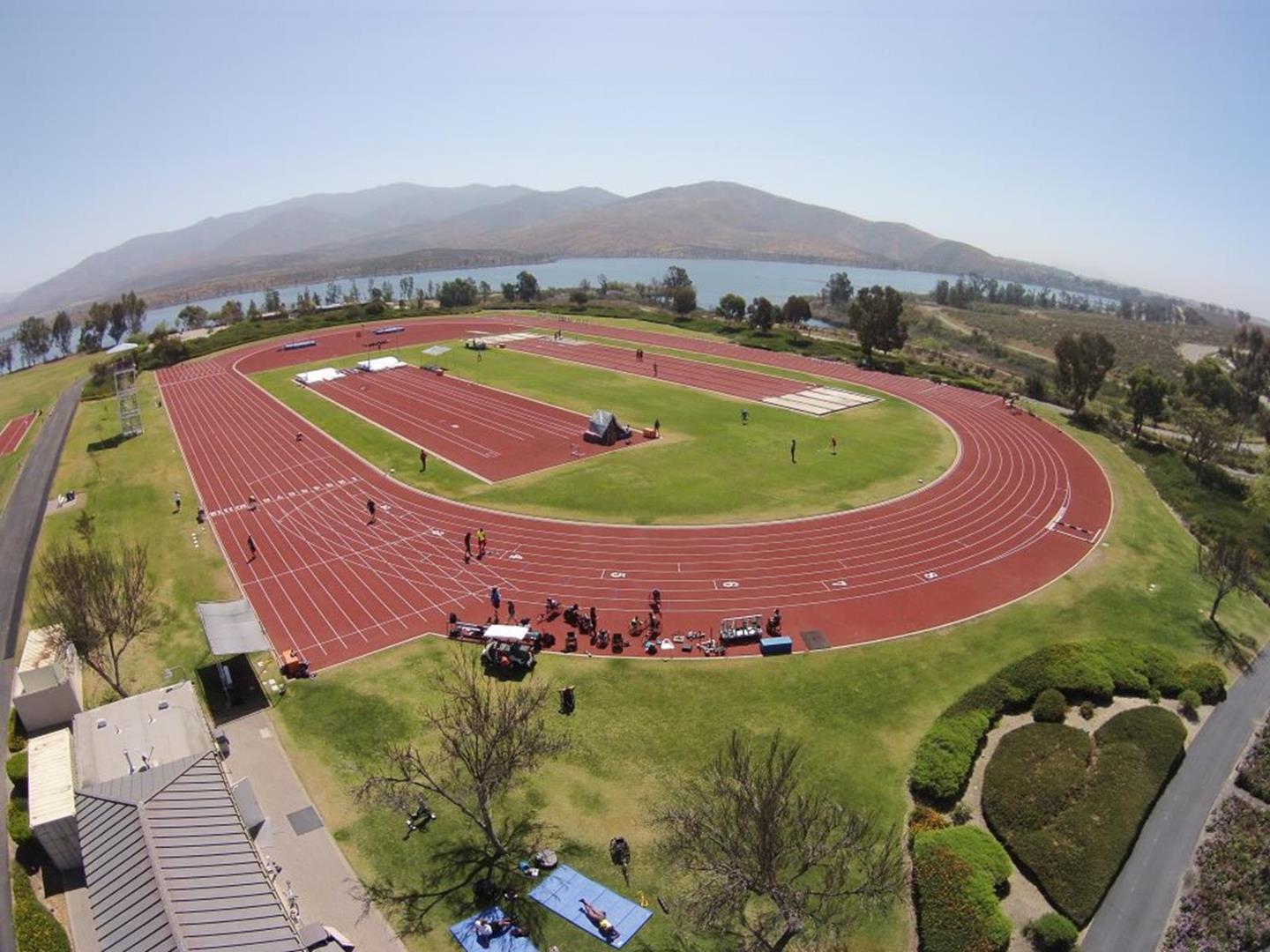
Formerly known as the Chula Vista Olympic Training Center, the Chula Vista Elite Athlete Training Center remains one of the country’s premier training environments for Olympic and Paralympic athletes. The 155-acre complex sits near Lower Otay Reservoir in San Diego County and includes venues and support facilities for more than a dozen Olympic and Paralympic sports.
The center supports athletes with housing, dining, training facilities, local transportation, athlete services and professional development programs. For sports planners, the site is notable because it combines elite training infrastructure with event-hosting capabilities, including sport venues, tours and group opportunities.
Planner note: This is a strong example of a destination-level training campus where event logistics, athlete services and brand visibility are all part of the facility experience.
Lakeshore Foundation
Homewood, Alabama
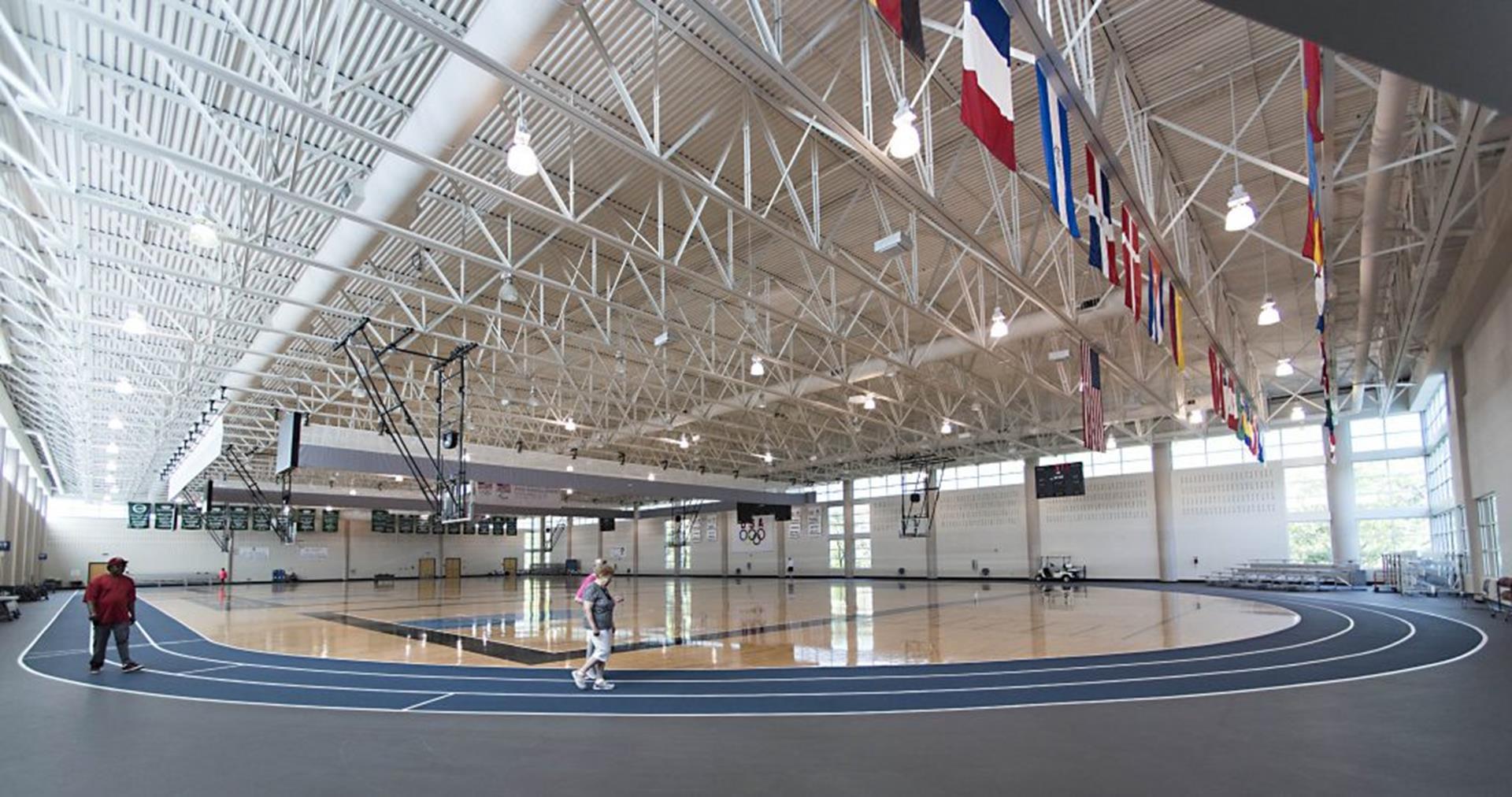
Lakeshore Adaptive Sports Center
Opened in 2001 and designed to provide people with disabilities a place for recreation and training, Lakeshore Foundation has grown into one of the nation’s most respected adaptive sports facilities. Its campus includes aquatics, fitness, recreation and athletic programming, while also serving as an official U.S. Olympic and Paralympic Training Site.
Lakeshore is also home to USA Wheelchair Rugby, Boccia United States and U.S. Paralympics Powerlifting, making it especially important for planners and rights-holders connected to Paralympic and adaptive sport pathways.
Planner note: Lakeshore is a useful model for destinations that want to connect elite adaptive sport with local programming, youth access and community wellness.
Ken Lanning Golf Center
Jefferson City, Missouri
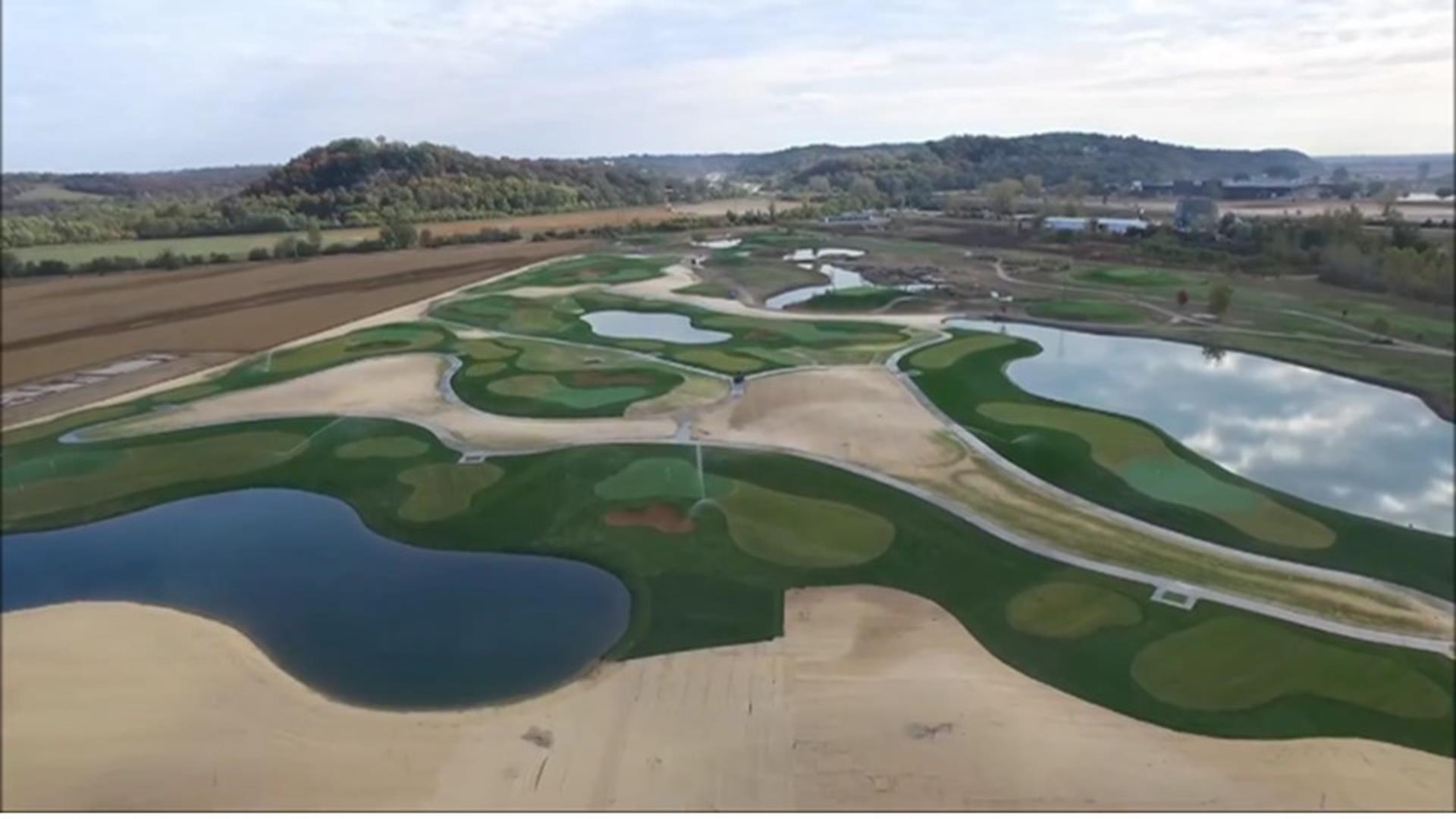
Ken Lanning Golf Center
The Ken Lanning Golf Center is a nine-hole, par-3 public golf course designed for golfers and non-golfers of all ages, regardless of mobility. Its flat terrain and accessible design make the course especially relevant for adaptive golf programming.
The original article noted the facility’s accessible ramps, cart paths and short-hole design, which all support a more inclusive playing environment. For planners, Ken Lanning Golf Center demonstrates that adaptive sports infrastructure does not always require a massive multi-sport complex. Sometimes, thoughtful course design and accessible routing can make a single-sport venue stand out.
Planner note: This type of venue can work well for adaptive golf clinics, fundraising events, senior recreation programs and inclusive community tournaments.
SPIRE Institute
Geneva, Ohio
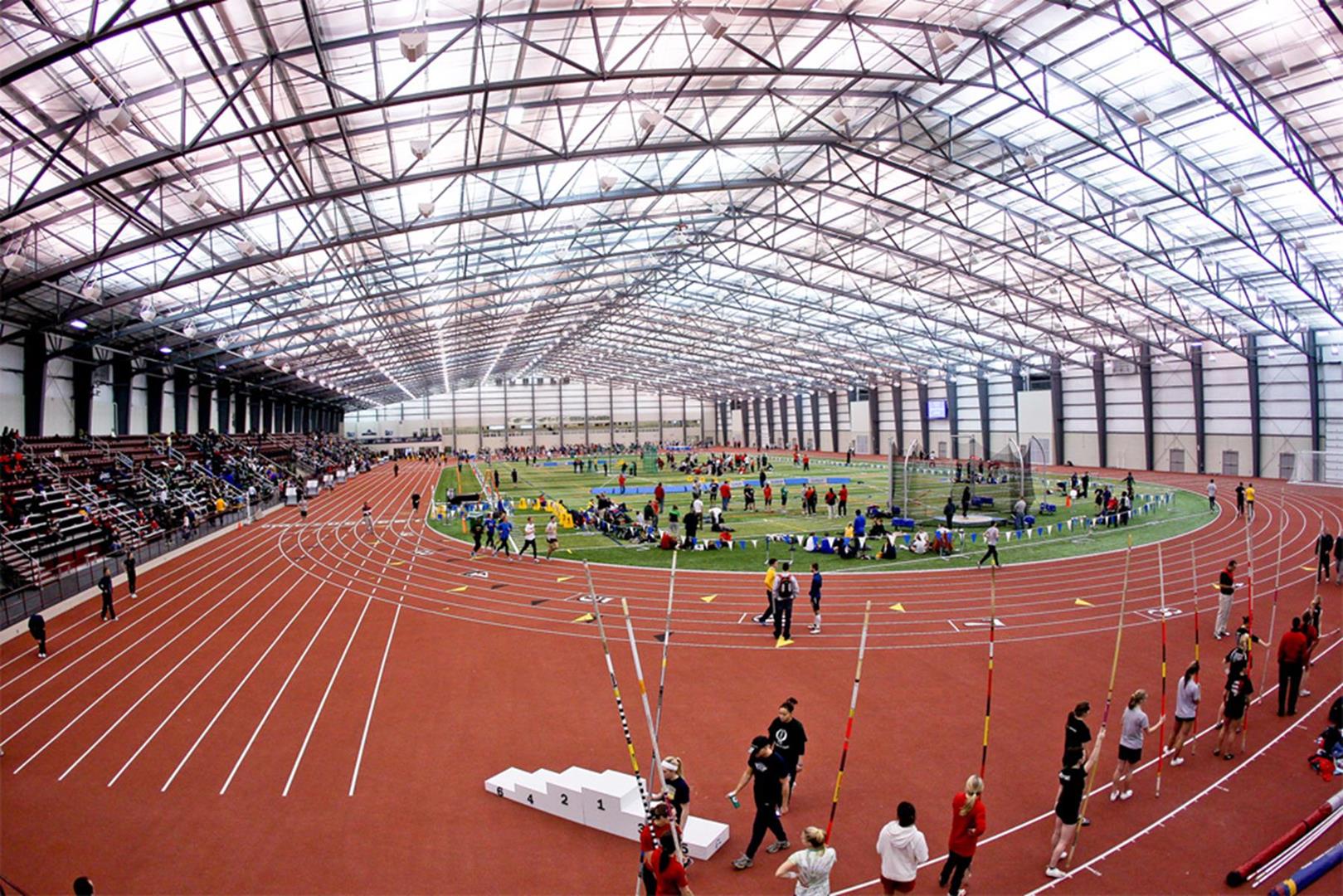
SPIRE Institute
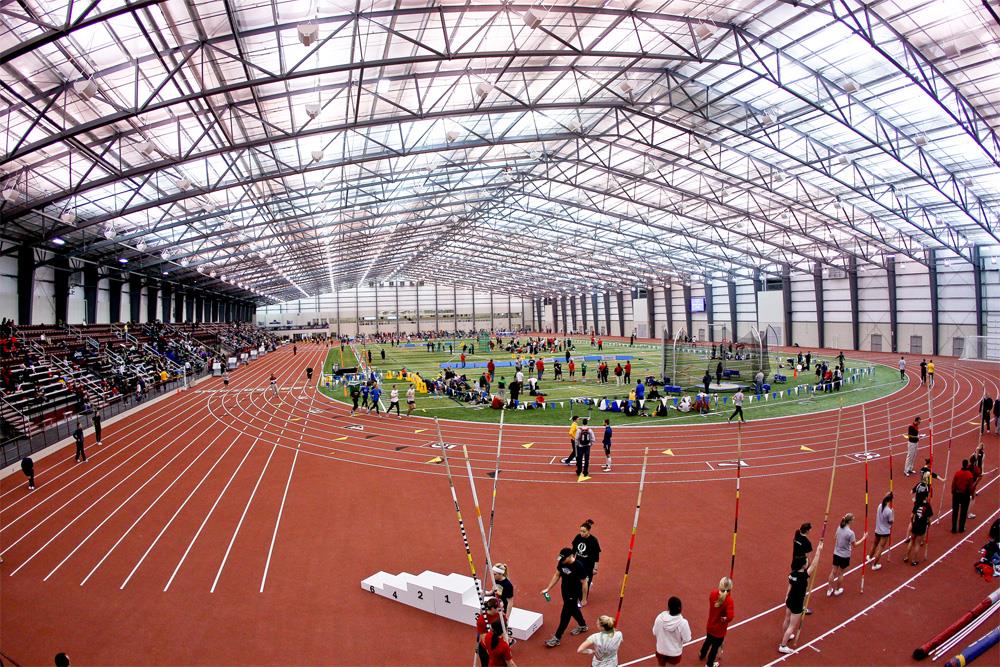
SPIRE Academy is one of the largest indoor sport, training, competition and education campuses in North America. Located in Geneva, Ohio, the campus now spans more than 800 acres with more than 850,000 square feet of indoor facilities, including courts, fields, track and event space.
SPIRE has also supported adaptive athletes through its Adaptive Athlete program, hosting training, games and events for veterans, Paralympians, Special Olympics athletes and USA Wheelchair Basketball.
Planner note: SPIRE is especially relevant for planners looking at large-scale indoor events, multi-sport programming, team housing, training camps or events that require significant square footage under one roof.
Plassman Athletic Center at Turnstone
Fort Wayne, Indiana
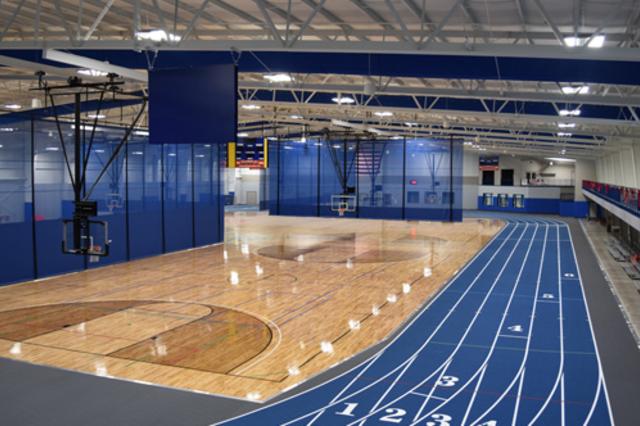
Plassman Athletic Center
Turnstone, a nonprofit organization serving children and adults with disabilities, operates the Plassman Athletic Center in Fort Wayne. The venue is a U.S. Olympic and Paralympic Training Site and supports both recreation and elite adaptive sport opportunities.
The Plassman Athletic Center includes a large fieldhouse, courts, track and fitness resources, with spaces built around accessibility and adaptive sport programming. Its facilities support sports such as wheelchair basketball, goalball, power soccer, indoor rowing, adaptive golf, sled hockey and boccia.
Planner note: Turnstone is a strong example of a purpose-built adaptive sports facility that can serve athletes, families, local users and visiting teams.
National Sports Center for the Disabled at Winter Park Resort
Winter Park, Colorado
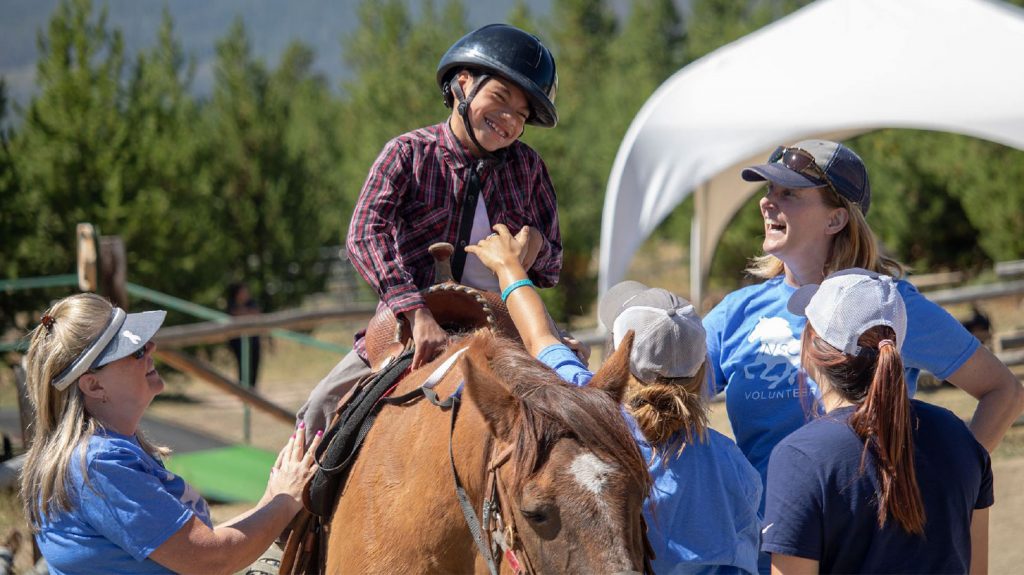
National Sports Center for the Disabled
Winter Park Resort is known for skiing and snowboarding, but it also serves as a key location for the National Sports Center for the Disabled. The NSCD provides therapeutic recreation, competition and adaptive sports for children and adults with disabilities, with programming based in Winter Park and Denver.
Winter programming includes adaptive alpine skiing, snowboarding, ski biking, Nordic skiing and snowshoeing. In warmer months, NSCD programming can include outdoor recreation opportunities such as mountain experiences, camps and adaptive activities that use Colorado’s terrain as part of the athlete experience.
Planner note: NSCD is a useful model for destinations with outdoor recreation assets, especially those looking to make mountain, trail or water-based experiences more accessible.
Mecklenburg County Aquatic Center
Charlotte, North Carolina
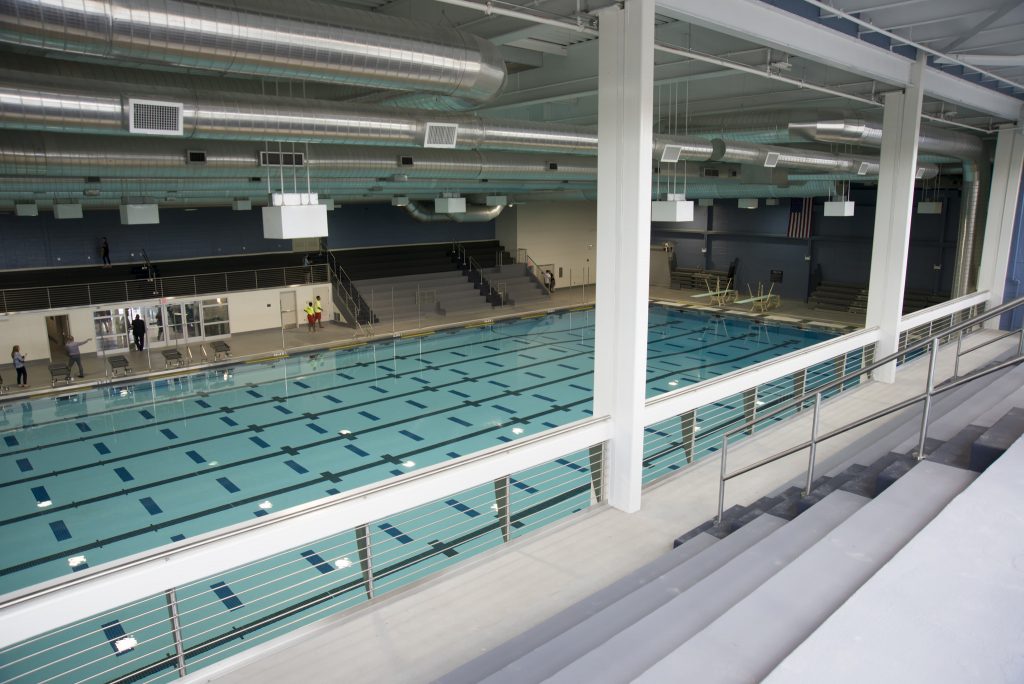
Mecklenburg County Aquatic Center
The Mecklenburg County Aquatic Center in uptown Charlotte is a major natatorium with a 50-meter competition pool, diving well, 25-yard warm pool with accessible ramp, hot tub and fitness areas.
The facility was part of the 2016 U.S. Paralympic Team Trials in Charlotte, which featured cycling, swimming and athletics. At the time, Charlotte was selected based on several factors, including sport venues, accommodations, accessibility and transportation.
Planner note: For aquatic event planners, this venue shows how a downtown natatorium can support both high-level competition and year-round community use.
Huff Hall Gym
Champaign, Illinois
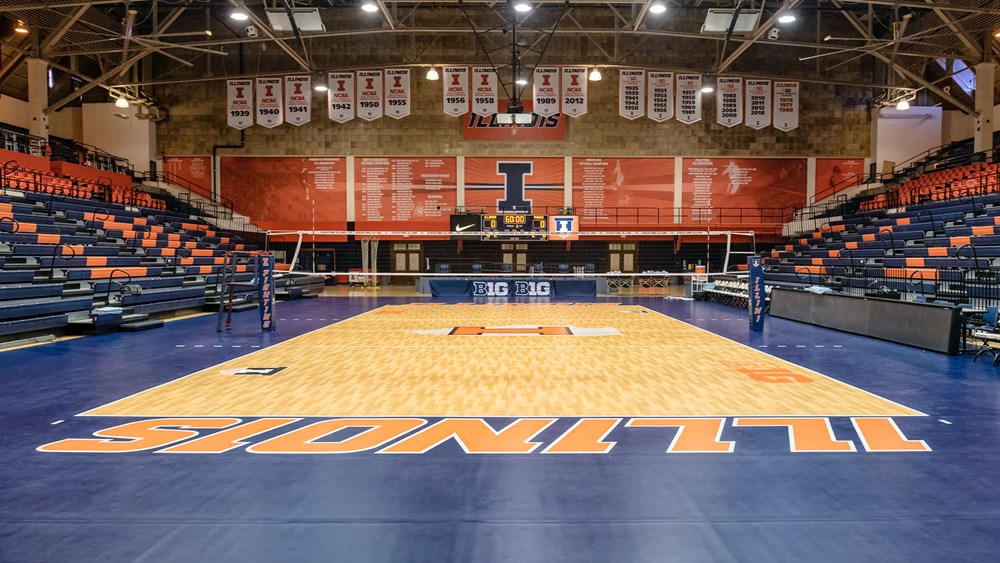
Huff Hall
Huff Hall is a historic multi-use facility at the University of Illinois. While it is also known for Fighting Illini athletics, its importance to adaptive sport comes through the university’s wheelchair athletics program, which includes men’s and women’s wheelchair basketball as well as wheelchair track and road racing.
The University of Illinois has long been associated with wheelchair athletics and Paralympic-level training, making Huff Hall and the broader campus an important part of the adaptive sport landscape.
Planner note: University-based adaptive sports programs can be valuable partners for camps, clinics, education-focused events and competitive pathways for student-athletes.
University of Central Oklahoma Wellness Center
Edmond, Oklahoma
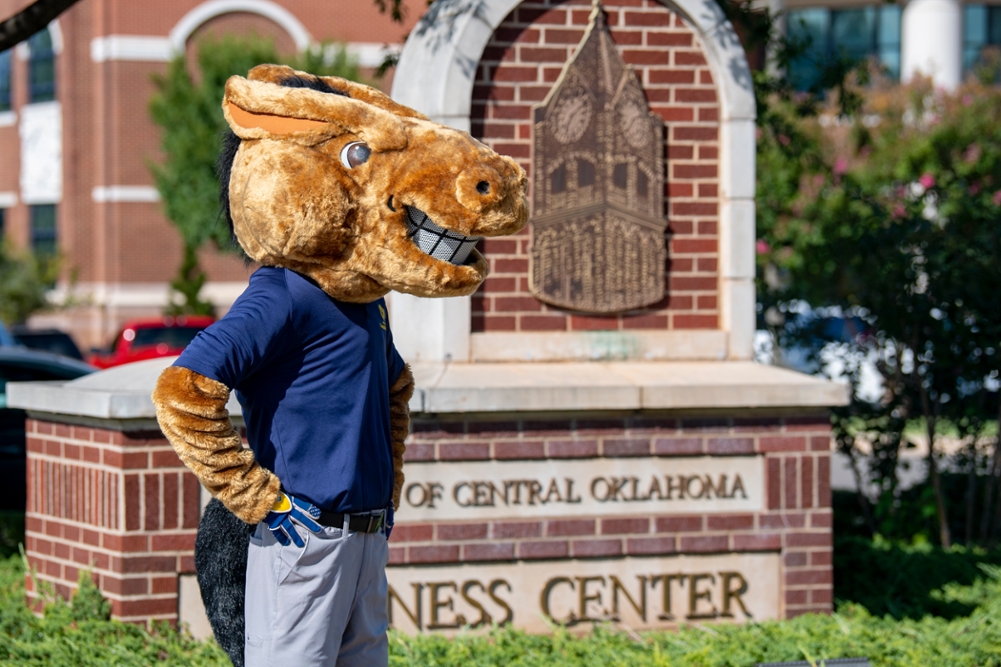
University of Oklahoma Wellness Center
The University of Central Oklahoma Wellness Center has long been an important location for Paralympic and adaptive sport. UCO is a U.S. Olympic and Paralympic Training Site, and USA Sitting Volleyball offices are located on the second floor of the Wellness Center.
The U.S. men’s sitting volleyball team first moved to UCO in 2005, followed by the women’s team in 2007. Today, resident athletes train at the Wellness Center, and both teams host full-roster training camps there.
Planner note: UCO is especially relevant for volleyball, Paralympic development pathways and planners looking for a university environment with elite adaptive sport ties.
Loon Mountain and New England Disabled Sports
Lincoln, New Hampshire
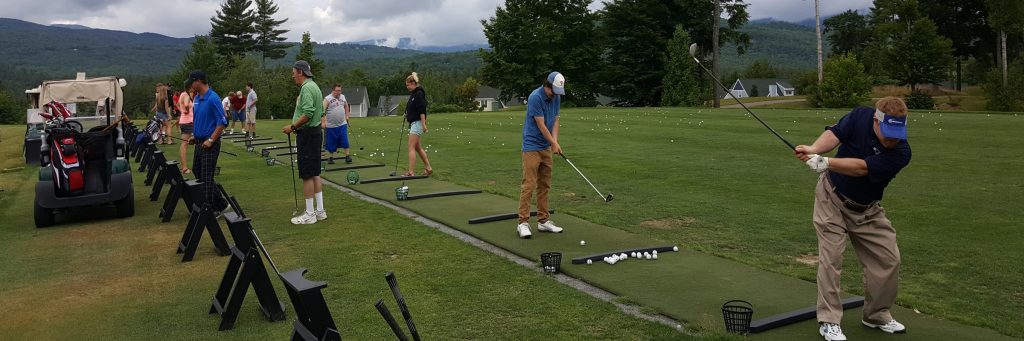
New England Disabled Sports Program
Loon Mountain is home to New England Disabled Sports, a nonprofit organization that provides year-round adaptive sports instruction to adults and children with physical and cognitive disabilities.
NEDS began offering lessons at Loon Mountain during the winter of 1987-88 and has since grown into a nationally recognized adaptive sports program. Its instruction includes winter sports such as alpine skiing, snowboarding, snowshoeing and Nordic skiing, along with summer activities such as cycling, rock climbing and kayaking.
Planner note: NEDS is a strong example of how a resort partnership can support adaptive recreation, volunteer engagement and year-round destination programming.
Why Adaptive Sports Centers Matter for Planners
Adaptive sports centers are more than specialized facilities. They are access points for athletes, families, coaches, medical support teams, volunteers and destinations that want to host more inclusive events.
Direct Answer: The best adaptive sports centers combine accessible design, trained staff, sport-specific equipment and event-ready logistics. For planners, that means fewer barriers for athletes and stronger support for inclusive tournaments, camps and clinics.
When evaluating adaptive sports venues, planners should ask about:
- Accessible parking, entrances, locker rooms and restrooms
- Sport-specific adaptive equipment availability
- Staff training and volunteer support
- Medical, therapy or recovery resources on-site or nearby
- Hotel access, airport distance and local transportation
- Experience hosting adaptive tournaments, clinics or camps
- Policies for caregivers, service animals and support staff
Adaptive sports will continue to grow as athlete demand, technology, coaching resources and community support expand. The venues above show how facilities across the United States are helping athletes with disabilities train, compete and participate at every level, from first-time recreation to elite international competition.
FAQ
What makes a sports facility suitable for adaptive events?
A strong adaptive sports venue should offer accessible parking, entrances, restrooms, locker rooms and competition spaces. It should also have trained staff, adaptive equipment access and experience serving athletes with disabilities.
Can traditional sports complexes host adaptive sports events?
Yes, but planners should confirm accessibility details early. Court dimensions, surface type, seating, athlete flow, equipment storage and support spaces can all affect whether a venue works well for adaptive competition.
Why should CVBs promote adaptive sports venues?
Adaptive sports venues help destinations compete for inclusive tournaments, camps and clinics. They also demonstrate community values around access, participation and year-round recreation.
What should planners ask before booking an adaptive sports center?
Ask about sport-specific equipment, athlete housing needs, accessible transportation, medical support, volunteer staffing and prior event experience. It is also smart to confirm policies for caregivers, support personnel and service animals.
Are adaptive sports centers only for elite athletes?
No. Many serve both elite athletes and community participants. Some facilities support Paralympic training, while others focus on recreation, youth programs, veterans, clinics or first-time sport experiences.
Updated 5/8/2026