What tournament planners need to know
On December 16, 2025, youth sports moved from the sidelines to center stage on Capitol Hill. The U.S. House Committee on Education and the Workforce’s Subcommittee on Early Childhood, Elementary and Secondary Education convened a high-profile hearing titled “Benched: The Crisis in American Youth Sports and Its Cost to Our Future.”
The message was clear that declining youth sports participation is no longer just a family or community concern, it’s a national issue with ripple effects across health, education, local economies and the sports events industry. Policymakers, nonprofit leaders and industry voices gathered in Washington, D.C. to examine what’s driving the drop off and what it means for those who plan, host and rely on youth sports competitions.
For the latest news on what’s happening in sports tourism, check out Trending in Sports!
Why This Hearing Hit Home for Event Planners
Youth sports fuel far more than weekend schedules. They drive hotel room nights, facility utilization, workforce development and long-term participation pipelines. Yet the data lawmakers cited is sobering, with as many as 70 percent of kids walking away from organized sports by age 13.
For tournament planners, that trend raises uncomfortable but necessary questions. Who can afford to play? Who gets left out? And how sustainable is an events model built on rising fees, increased travel and early specialization?
The hearing pulled back the curtain on systemic challenges shaping today’s youth sports economy, such as escalating costs, commercialization, equity gaps and structural barriers that limit access before many kids ever reach their potential.
Voices from the Hearing
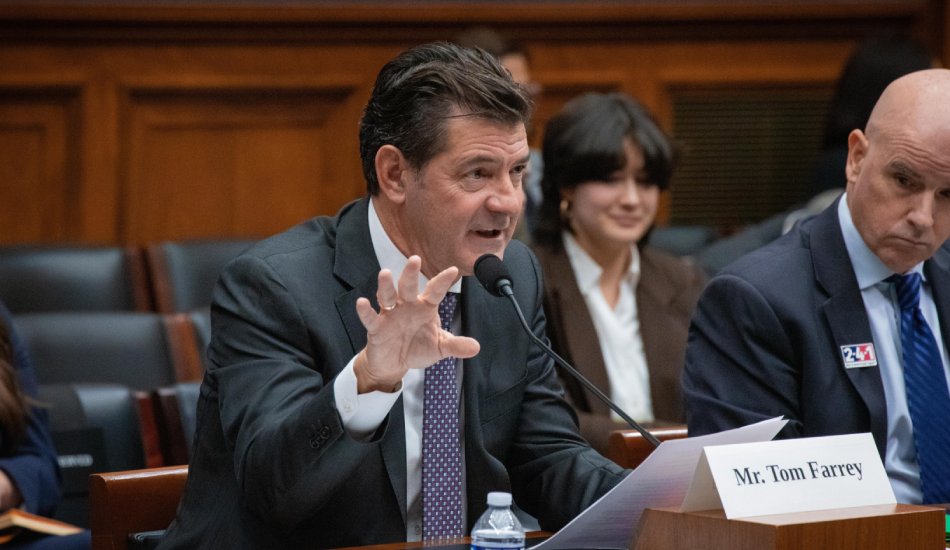
Tom Farrey — Aspen Institute, Project Play
Setting the tone for the hearing, Tom Farrey framed youth sports as an ecosystem at a crossroads.
Farrey pointed to soaring financial and time commitments, noting that families now spend more than $1,000 annually on a child’s primary sport, often far more once travel and club participation enter the picture. While post-pandemic participation rebounded in some areas, he emphasized that access remains uneven, particularly for low-income and underserved communities.
Perhaps most relevant for event organizers, Farrey warned that an increasingly commercialized youth sports model risks prioritizing revenue over development, which is accelerating specialization and contributing to burnout rather than fun and physical literacy.
For planners, the takeaway is that families are scrutinizing the value proposition of youth sports events more closely than ever.
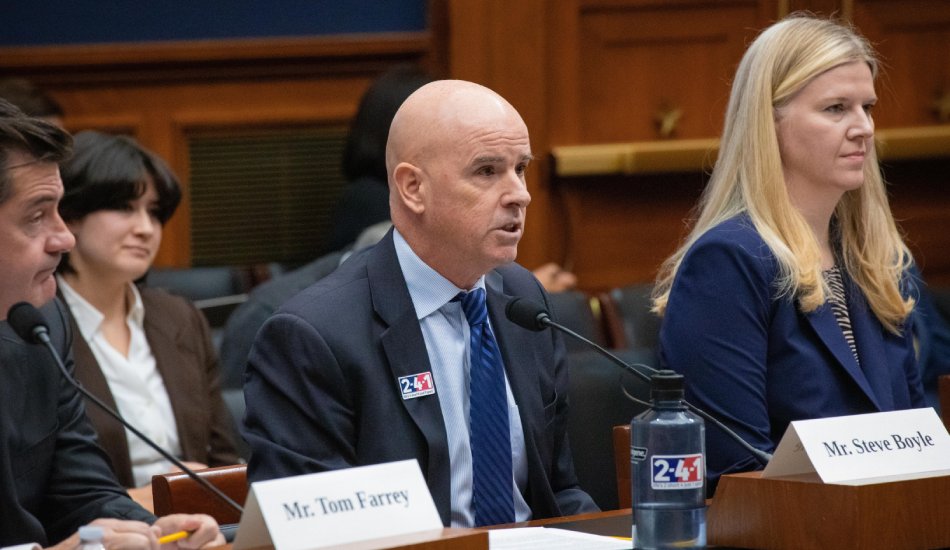
Steve Boyle — 2-4-1 Sports
Bringing a grassroots perspective, Steve Boyle focused on what happens when kids are pushed too far, too fast.
Boyle argued that high-cost club systems and early specialization are driving children out of sports before they have a chance to build confidence or enjoyment. He advocated for school- and community-based programs that keep sports affordable, accessible and fun, particularly during critical after-school hours.
For tournament planners, Boyle’s testimony reinforces the importance of inclusive formats, flexible competition models and events that complement community-based participation, not compete with them.
Katherine Van Dyck, J.D. — American Economic Liberties Project
Van Dyck delivered one of the hearing’s sharpest critiques, focusing on the growing role of private equity and consolidation in youth sports.
She outlined how investment firms are acquiring leagues, facilities, service providers and more, which is often followed by rising fees and reduced competition. The result, she warned, is an industry that increasingly treats youth sports as a profit center rather than a public good.
Her call for stronger antitrust scrutiny and consumer protections signals potential policy shifts ahead. Tournament operators should pay attention to changes to fee transparency, market concentration and business practices could directly impact event economics.
John O’Sullivan — Changing the Game Project
While full written testimony was not released at publication time, O’Sullivan’s involvement aligns with well-established themes from the Changing the Game Project—slowing down early specialization, prioritizing athlete-centered development and refocusing youth sports on long-term well-being over short-term wins.
What Tournament Planners Should Take Away
1. Cost Sensitivity Is Rising
Families are paying more and questioning more. Events that offer transparent pricing, reasonable schedules and reduced travel demands may stand out in a crowded marketplace.
2. Access Is a Competitive Advantage
Inclusive brackets, local qualifiers and school-linked participation models can expand reach while strengthening long-term athlete pipelines.
3. Policy Scrutiny Is Coming
Congressional attention on consolidation and fees suggest regulatory changes may follow, with implications for operators, facilities and event owners.
4. Community Value Matters More Than Ever
Events that emphasize development and connection, not just elite competition, align with public sentiment and resonate with sponsors and civic partners.
5. Health and Data Tell a Powerful Story
Linking events to youth health outcomes and community wellness can open doors with schools, health systems and local governments.
Looking Ahead
The “Benched” hearing marked a rare and meaningful moment for a national spotlight on youth sports that extends beyond the scoreboard. For tournament planners, this is a strategic signal to pay close attention to.
Understanding participation trends and emerging regulatory interest will be critical for designing events that serve kids first, support communities and ensure the youth sports ecosystem remains healthy and sustainable for generations to come.
Read our interview with Sports ETA President John David on future-proofing sports tourism.