

Building the Future of Women’s Rugby in America
Learn about the latest trends in the sports tourism industry at Sports Planning Guide.
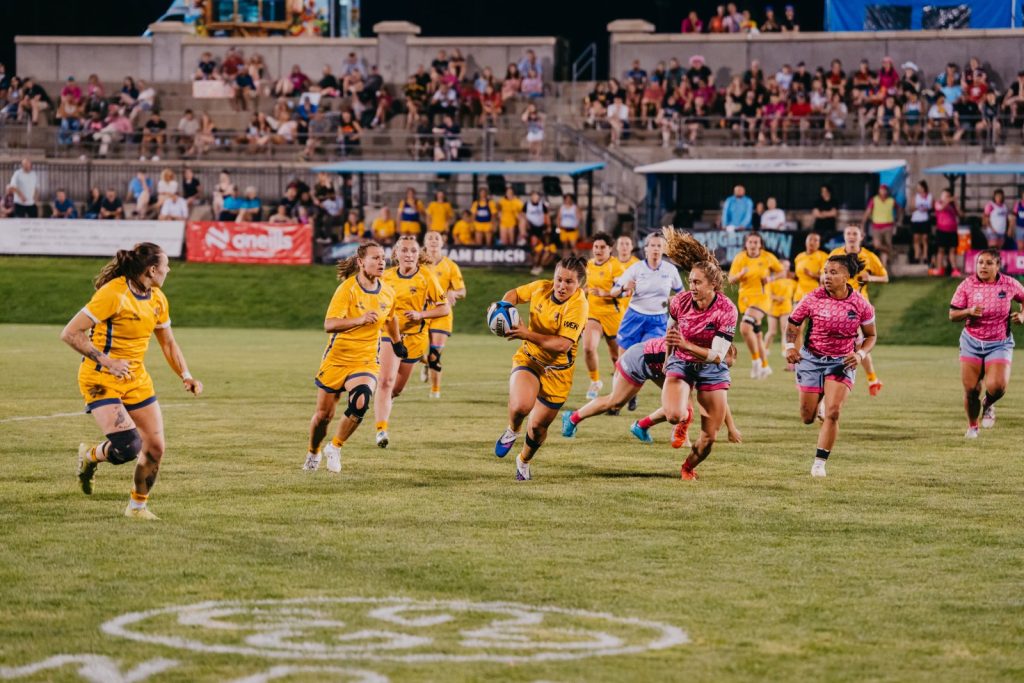
Women’s rugby in the United States is entering a defining chapter, with Women’s Elite Rugby (WER) creating a long-awaited professional pathway for athletes and positioning the sport for growth ahead of the U.S. hosting the 2033 Women’s Rugby World Cup. Few people understand that opportunity better than Kristin Zdanczewicz.
As a former U.S. National Team player and two-time Rugby World Cup competitor, Zdanczewicz now serves as head coach of the Chicago Tempest, helping build one of the league’s inaugural franchises from the ground up. Beyond preparing players for competition, she’s focused on establishing a culture rooted in community, resilience and leadership while introducing new fans to a sport known as much for its camaraderie as its physicality.
In this latest edition of the Faces of Sports Tourism series, Zdanczewicz discusses the challenges and rewards of launching professional women’s rugby in America, the lessons that shaped her coaching philosophy and why she believes the years leading up to the 2033 World Cup represent a launching point for the next generation.

Women’s Elite Rugby represents a significant milestone for the sport in the United States. What has it been like to help build professional women’s rugby during this historic moment?
It’s been incredibly rewarding because we’re building something that many of us hoped would exist when we were playing. When I represented the U.S., there wasn’t a professional pathway. You played because you loved the game, often balancing full-time jobs, school and national team commitments.
Now we’re helping create an environment where female athletes can see rugby as something worth investing in long term. It’s still early, and like any startup league there are challenges, but that’s part of building something meaningful. Every training session, every match, every fan who walks through the gate is helping shape what professional women’s rugby in America can become.
I think years from now we’ll look back and appreciate how important these first seasons were.
What makes Chicago a great place for rugby, and how have fans responded to the arrival of the Tempest?
Chicago has always embraced hardworking teams. People here appreciate toughness, resilience and communities that rally around each other, and rugby naturally fits that identity. The speed, physicality and respect that exists between competitors are unlike almost any other sport.
We’re still introducing ourselves to the city, but every week it feels like more people are becoming part of the Tempest community.
You represented the United States at two Rugby World Cups. Looking back, what experiences from your playing career have had the biggest influence on the coach you’ve become today?
Playing at that level taught me that talent alone is never enough. The teams that succeed build trust long before they ever step onto the field.
I also learned that every player has a different journey. Some athletes need confidence, some need accountability and some simply need someone who believes in them during difficult moments.
As a coach, I try to remember what it felt like to be the player sitting across from the coach. That perspective shapes how I communicate, how I build relationships and how I try to develop people beyond rugby.
For readers who may be new to rugby, what do you think is the biggest misconception about the sport?
People often assume rugby is just controlled chaos because it’s physical.
In reality, it’s one of the most strategic team sports you’ll watch. Every player has a unique role. Decisions have to be made in seconds and success depends on everyone understanding how they fit together.
It’s incredibly physical, but it’s also incredibly intelligent.
What do you wish more people understood about rugby?
I wish more people understood the culture.
Rugby teaches respect in a way that’s difficult to explain until you experience it. You compete as hard as you possibly can for 80 minutes, and afterwards both teams often share a meal, a conversation or simply acknowledge the battle they just went through together.
Discover case studies. guides and planning resources to help ensure your event is a success.
How would your players describe you, and how does that compare with how you see yourself as a coach?
I hope they’d describe me as someone who genuinely cares about them while also challenging them to reach a higher standard.
I ask a lot because I believe they’re capable of more than they sometimes believe themselves.
I see my role as creating an environment where people can grow—not just as rugby players, but as teammates and leaders. Winning matters, but helping people leave the program better than they arrived matters just as much.
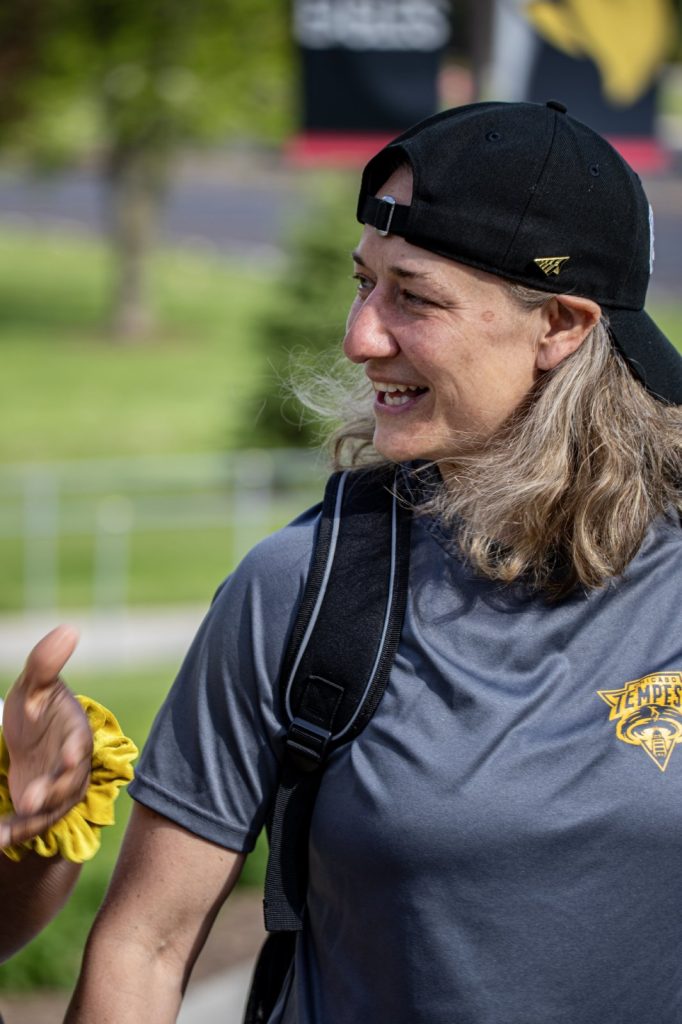
Rugby is often described as one of the toughest sports in the world, but it’s also known for its culture and camaraderie. How do you build that balance of competitiveness and connection within your team?
For me, those two things support each other.
When people trust each other, they’re willing to work harder, have honest conversations and make sacrifices for the team.
We talk a lot about our values—Community, Joy and Grit. Community reminds us we’re responsible for each other. Joy reminds us why we started playing in the first place. Grit is what carries us through difficult moments.
When those values become part of your daily environment, competing hard and caring deeply about your teammates becomes natural.
Rugby has been a major part of your life for many years. What is it about rugby that continues to inspire and motivate you today?
It’s always been the people.
Rugby has taken me around the world and introduced me to lifelong friendships and opportunities I never imagined. The game has challenged me, humbled me and helped shape who I am.
Now I get to help create those same opportunities for the next generation, and that’s incredibly motivating.
What moment during your time with the Tempest made you stop and think This is why I’m doing this?
It’s been watching a completely new group of athletes and staff come together over the course of a season and slowly become a team.
Building culture doesn’t happen overnight. Seeing players support each other through adversity, celebrating each other’s successes and begin believing in what we’re creating has probably been the most rewarding part of this year.
Those are the moments that remind you why coaching matters.
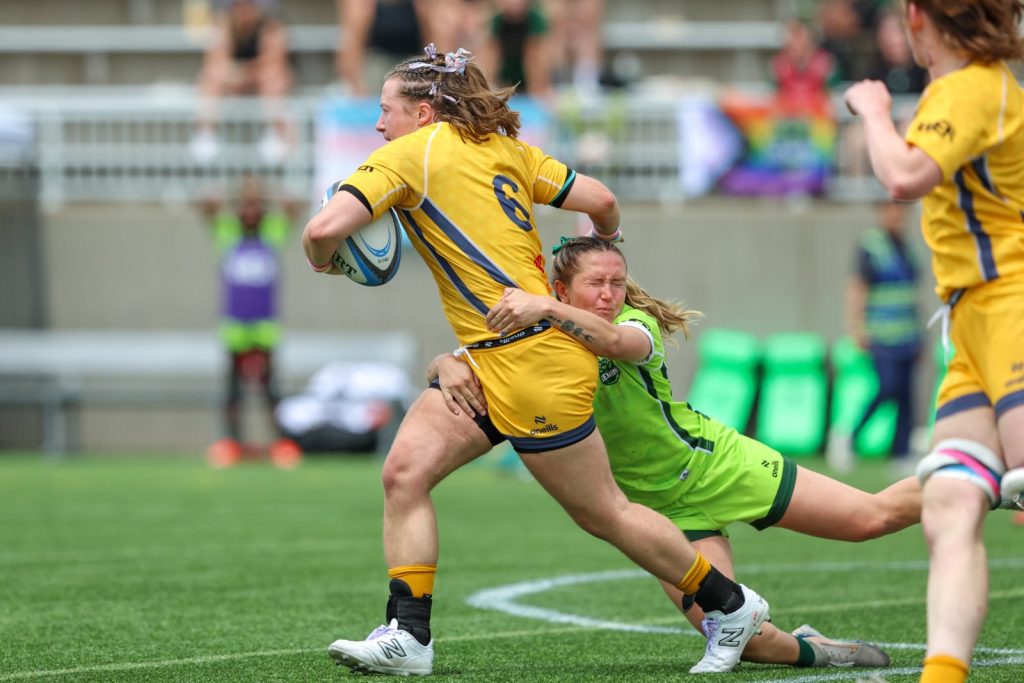
Many young women are discovering rugby for the first time through WER. What message would you give to someone considering picking up a rugby ball for the first time?
Don’t worry about whether you’ve played before or whether you think you’re the “right” type of athlete.
Rugby has a place for everyone. Different body types, different athletic backgrounds and different personalities all have value in this game.
Be willing to learn, embrace being uncomfortable and enjoy the journey. You’ll become stronger, more confident and you’ll probably find a community that stays with you long after your playing days are over.
When you think about the future of women’s rugby in the U.S., what excites you most about the opportunities leading up to and following the 2033 Women’s Rugby World Cup?
The visibility.
Hosting the Rugby World Cup on home soil has the potential to change the sport in America. Young girls will be able to watch elite athletes in person and believe that’s something they can achieve too. What excites me even more is what happens after 2033. If we continue investing in youth rugby, coaching, high-performance pathways and leagues like WER, we’ll create opportunities that simply didn’t exist for previous generations.
The World Cup shouldn’t be the finish line—it should be the launching point for the next era of women’s rugby in the United States.
For more in-depth industry interviews, check out our Faces of Sports Tourism series.