From Emerson, Georgia to Rockford, Illinois, new indoor venues continue to spring up all around us. Equipped with state-of-the-art features like video boards, flexible court layouts and even on-site hotels, these indoor sports complexes can’t help but appeal to tournament planners across America. Though some benefit from the local attractions around them, others simply lure spectators based on the amenities found at their facilities.
For rights-holders, tournament directors and club coaches, choosing the right indoor sports complex can make or break your event. You’re looking for multiple courts under one roof, walkable hotels and dining, experienced staff and consistent playing conditions no matter what the weather brings.
Direct Answer: A strong indoor sports complex for tournaments brings multiple courts or fields together under one roof, with on-site amenities, nearby hotels and an experienced event team to keep schedules, spectators and athletes moving smoothly.
Below, we highlight a handful of standout venues from around the country. Use this overview as inspiration, then explore the complete list of indoor facilities in the SPG Facility Finder to match the right complex to your next tournament.

LakePoint Indoor Facility
Emerson, Georgia
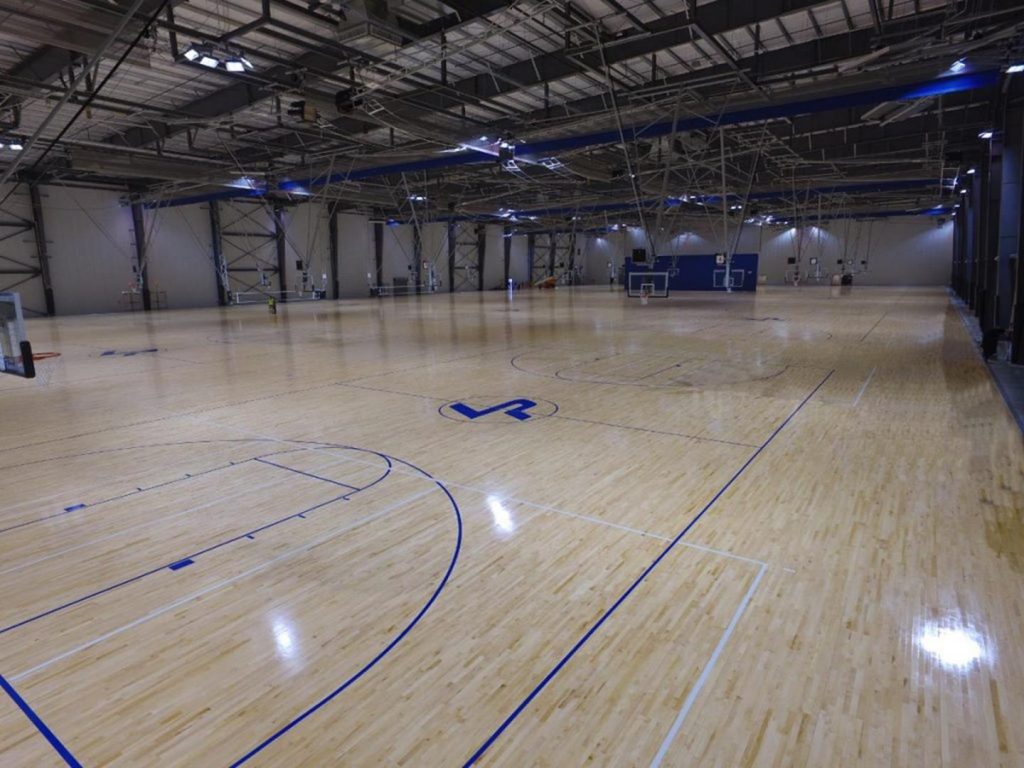
LakePoint Sports in Emerson, just northwest of Atlanta, anchors a 1,300-acre campus designed around tournament play. Its 170,000-square-foot indoor Champions Center features one of the largest continuous wood floors in the country and can be configured for up to 12 full basketball courts or 24 volleyball courts under one roof.
For planners, that scale—combined with easy interstate access and multiple hotels, dining options and entertainment on or near the campus—makes LakePoint a year-round hub for basketball, volleyball, futsal and other indoor events.
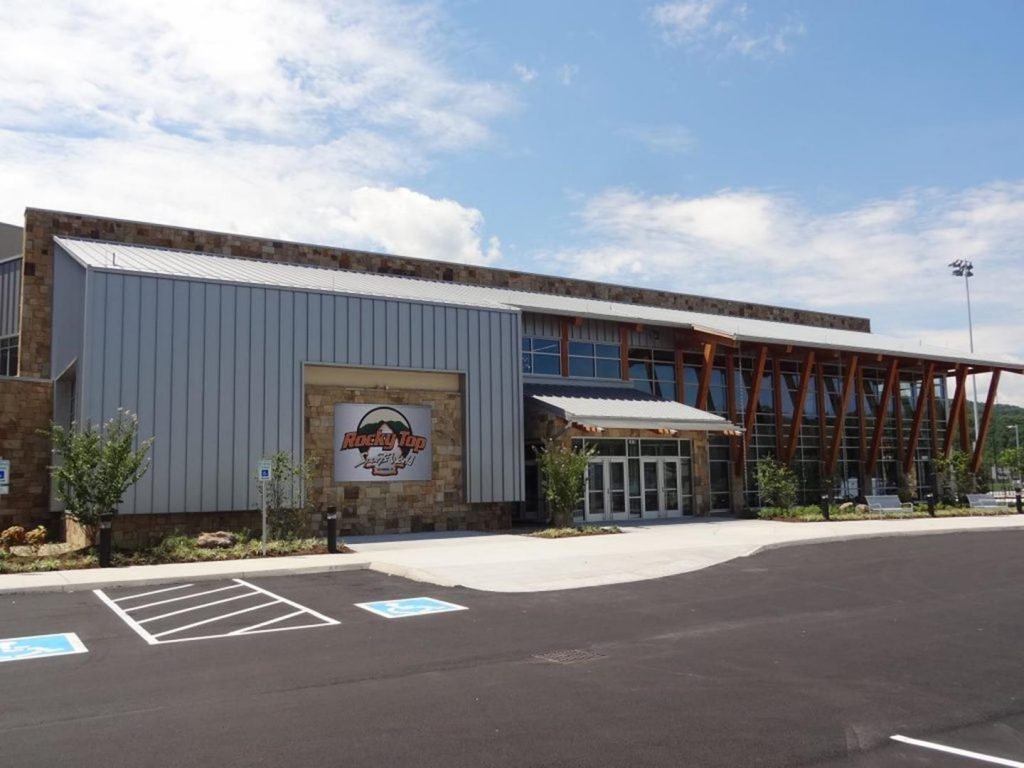
Myrtle Beach Sports Center
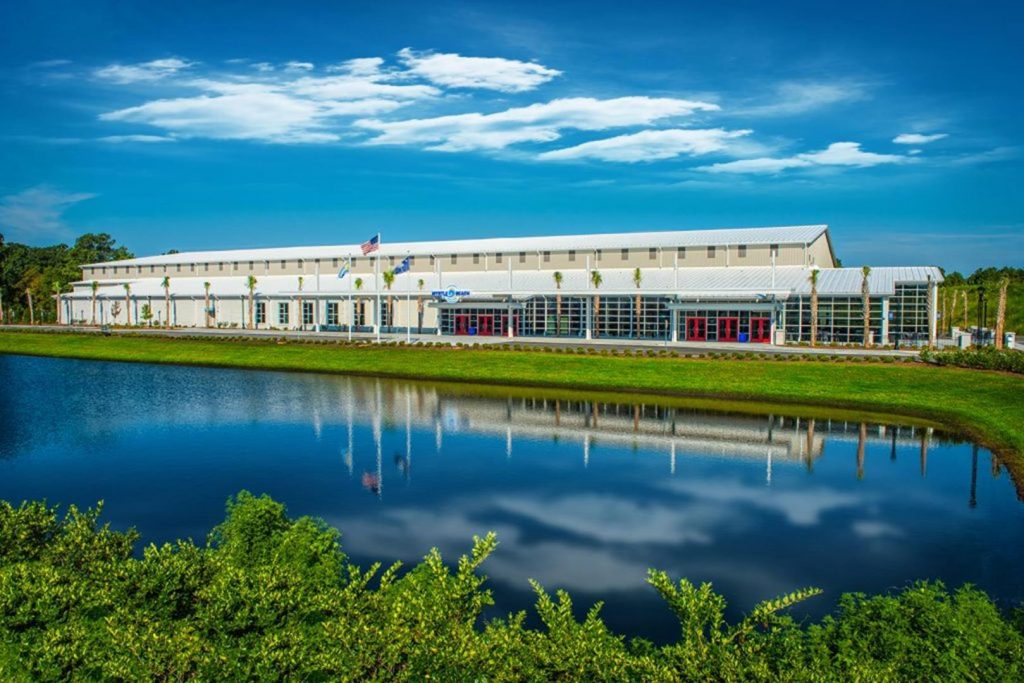
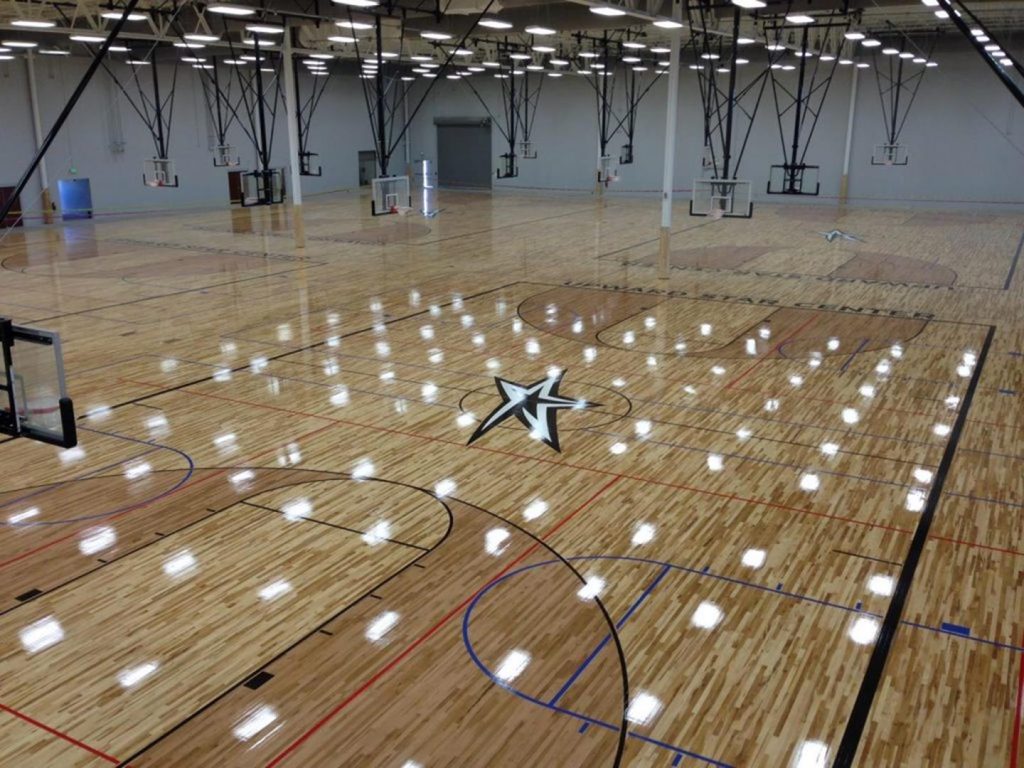
Located in the heart of Myrtle Beach and adjacent to the Myrtle Beach Convention Center, this 100,000-square-foot indoor sports complex is built for large tournaments. The venue offers eight basketball courts or 16 volleyball courts, a championship-style main court, a multi-screen video wall and seating for roughly 2,000 spectators.
A mezzanine level provides elevated viewing, meeting space and areas for college coaches and tournament staff, while on-site concessions and nearby oceanfront hotels make it easy to keep teams well fed and close to the action.
Spooky Nook
Lancaster, Pennsylvania
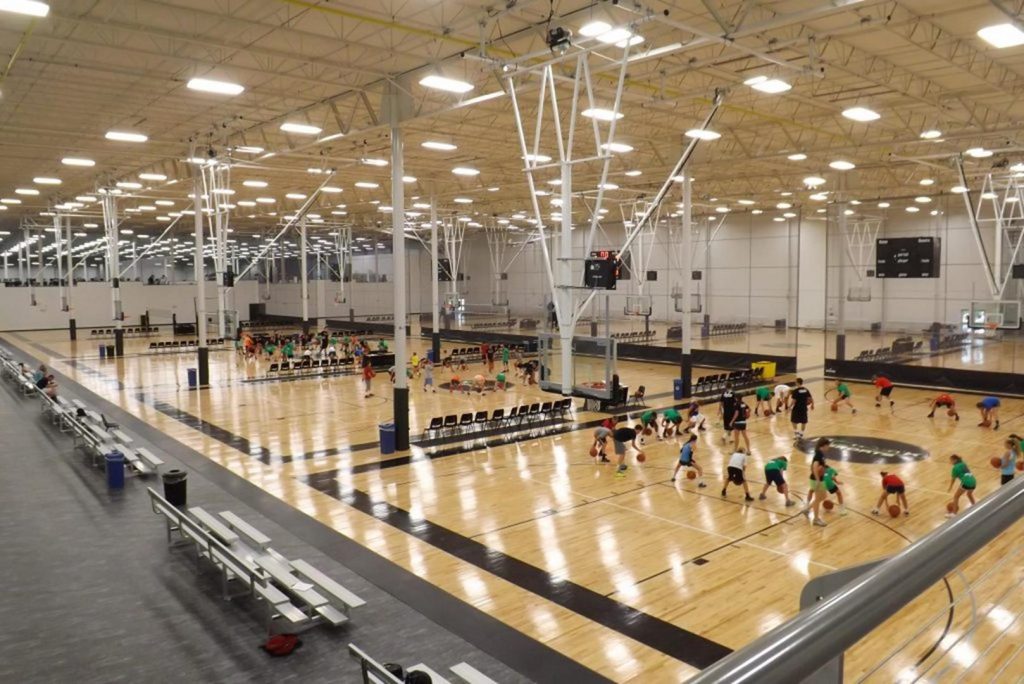
Spooky Nook might have a funny name, but it’s serious about being one of the most advanced indoor sports complexes in America. Located just outside Lancaster, Pennsylvania, it is widely recognized as the largest indoor sports complex in the United States, with roughly 700,000 square feet under one roof.
Its indoor facilities include 10 hardwood basketball courts, four field hockey courts, 10 volleyball courts, six indoor soccer fields, a 200-meter track and a full-sized baseball infield. But it’s not all sports—Spooky Nook maintains its state-of-the-art image with a fitness center, climbing center, food court, arcade and a variety of meeting and party spaces that give planners plenty of options between games.
Round Rock Sports Center
Round Rock, Texas
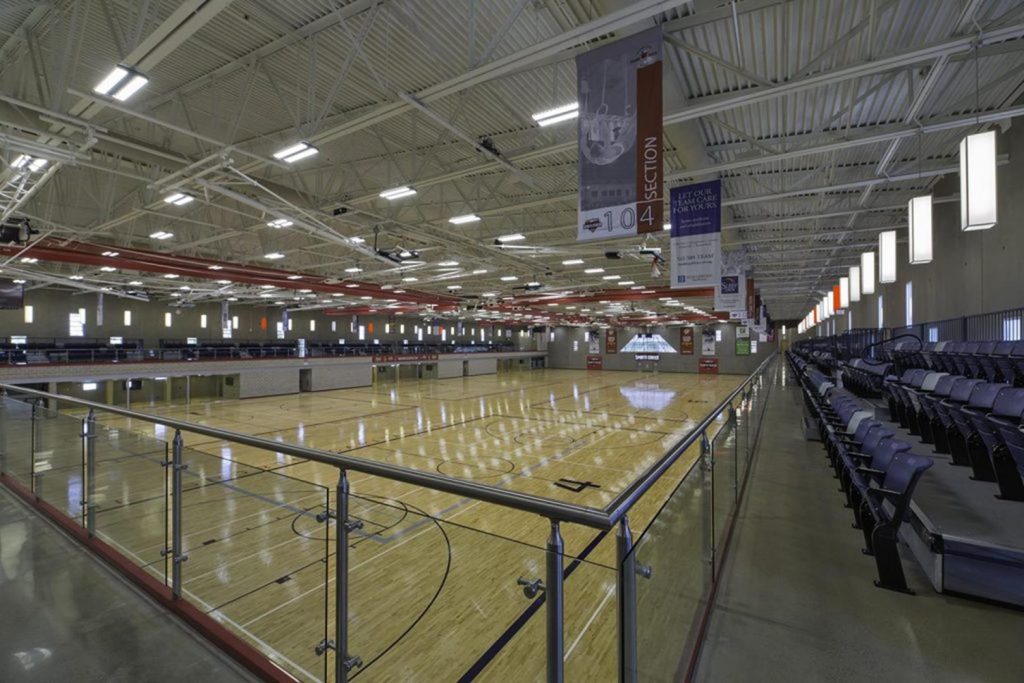
Nicknamed the “Sports Capital of Texas,” the city of Round Rock boasts some impressive athletic attractions. The Round Rock Sports Center is one of the city’s signature venues, with an 82,800-square-foot indoor floorplan that currently supports six high school basketball courts or 12 volleyball courts, plus an athletic training room, LED scoreboards and flexible multi-purpose rooms for teams and officials.
An expansion project now underway will add two additional courts and more flexible event space, helping the facility stay competitive for larger regional and national tournaments in the years ahead.
UW Health Sports Factory
Rockford, Illinois
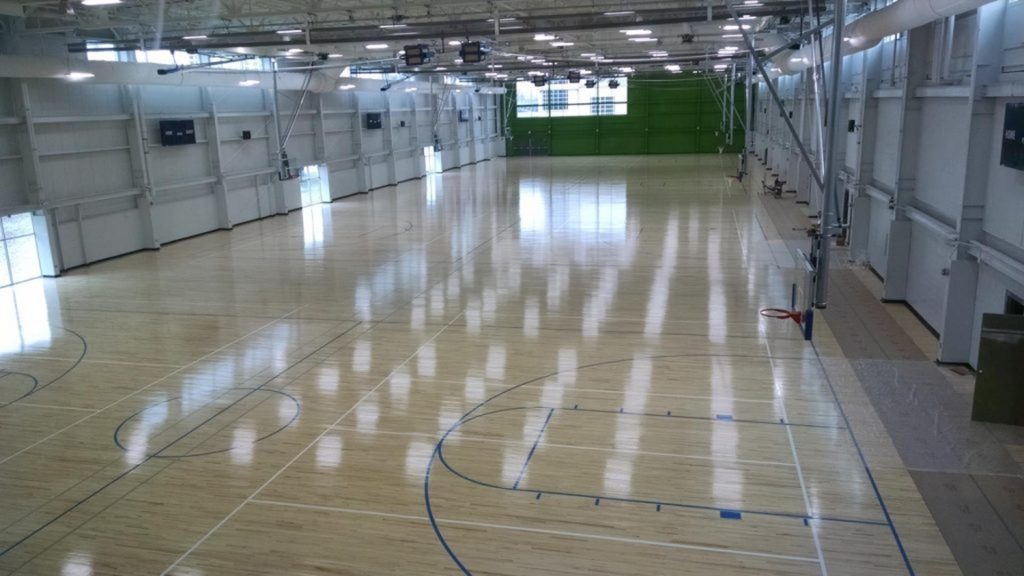
Set along the Rock River a short distance from downtown, UW Health Sports Factory has quickly become a centerpiece of Rockford sports. The 108,000-square-foot venue includes eight regulation basketball courts, 14 volleyball courts and 12 pickleball courts, along with flexible flat space that can be reconfigured for other indoor events.
The complex offers seating for up to 3,700 spectators, portable bleachers, multiple meeting rooms, an event plaza and the Courtside Grill restaurant/bar. A riverfront boardwalk and easy highway access make it attractive to both local residents and traveling tournament teams looking for a walkable riverfront setting.
Woodside Dome
Wisconsin Dells, Wisconsin
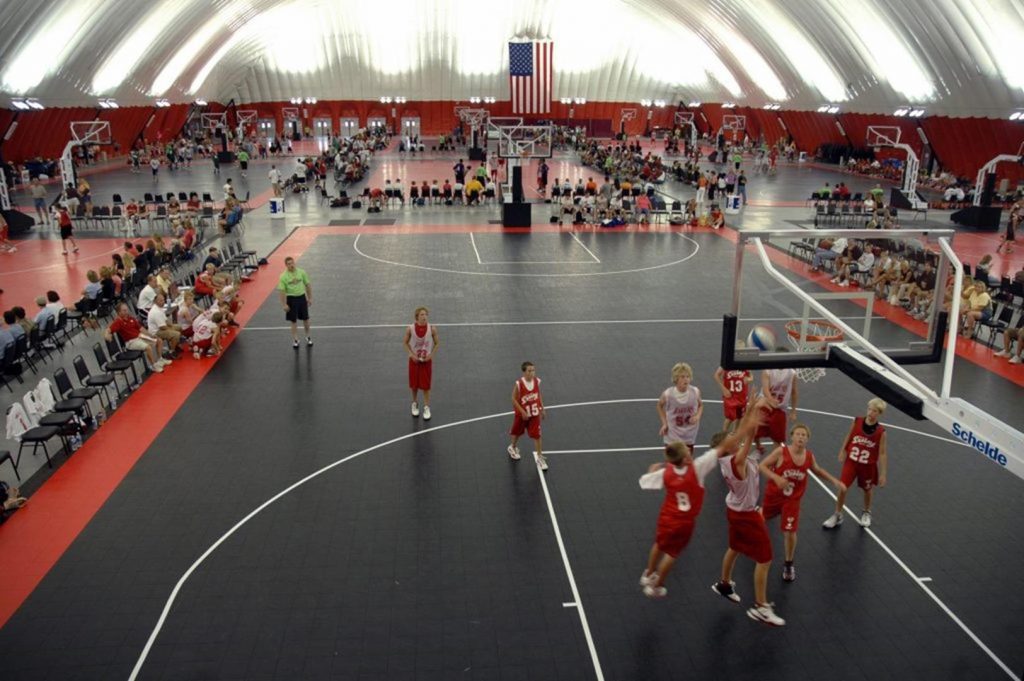
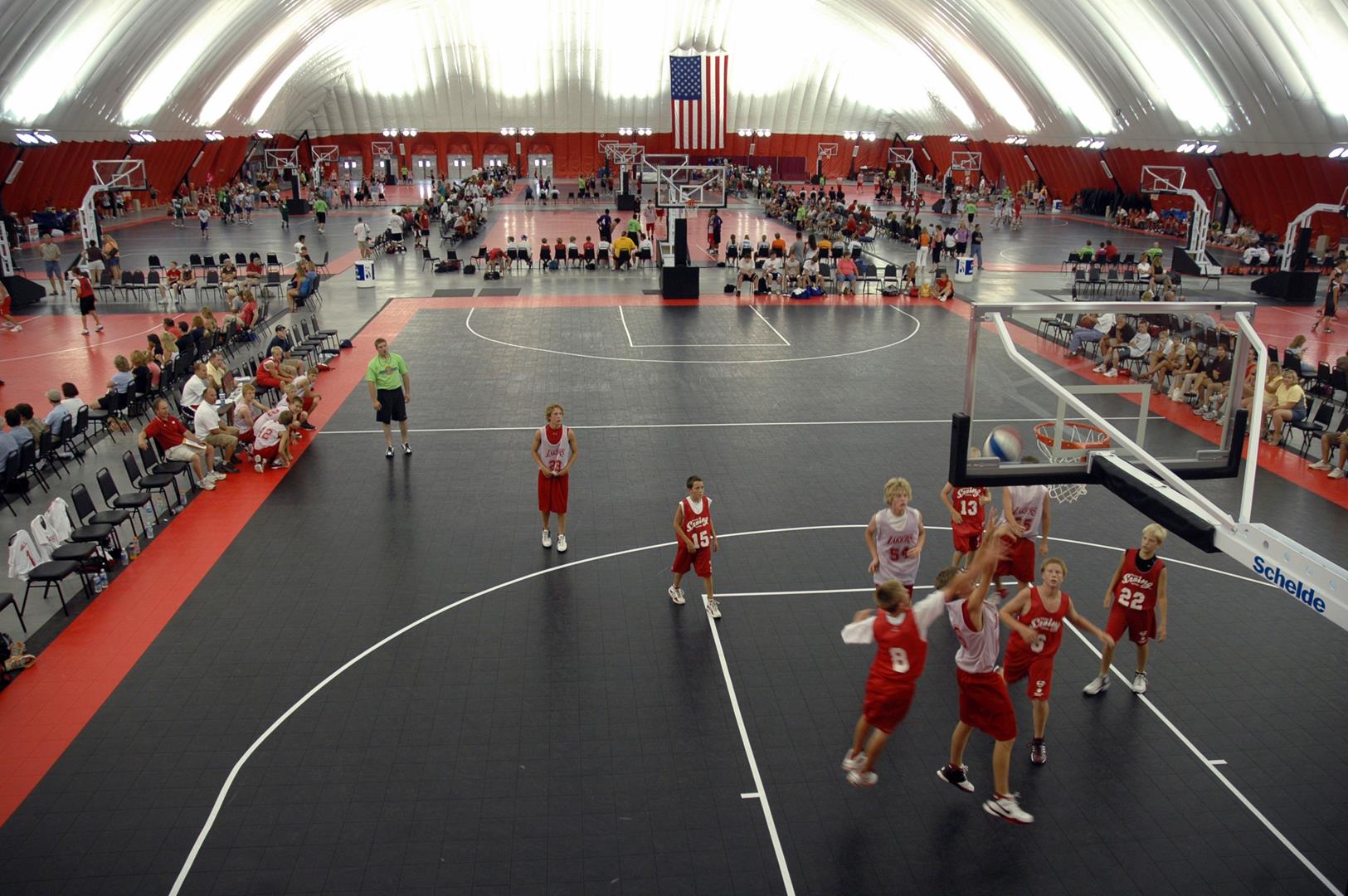
Situated in the “Waterpark Capital of the World,” the Woodside Dome is one of the top indoor sports complexes in the country and is among the largest facilities of its kind in the Midwest. The 90,000-square-foot air-supported structure can be set up with sport court or full turf, giving planners significant flexibility.
Located just minutes from downtown Wisconsin Dells and the outdoor Woodside fields, the dome hosts dozens of youth and amateur events each year and gives teams easy access to local resorts and waterparks between games.
Grand Park Events Center
Westfield, Indiana
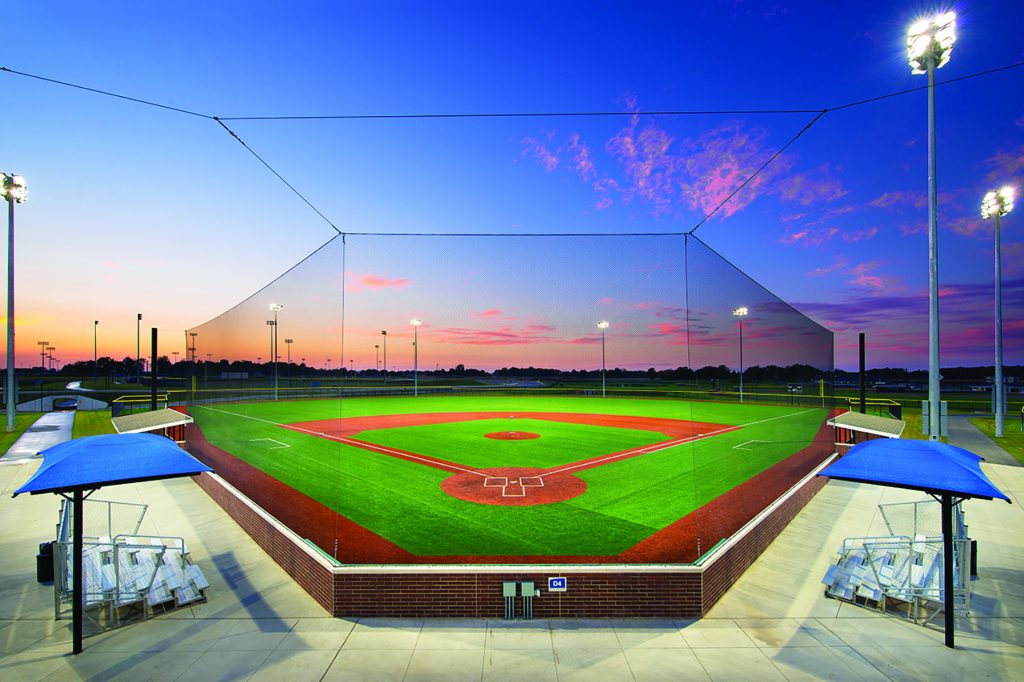
Behind home plate at
As the centerpiece of the 400-plus-acre Grand Park Sports Campus in Westfield, the Grand Park Events Center is a massive indoor complex designed around field sports. The building encompasses more than 370,000 square feet and features three full-size synthetic turf fields, plus office space, locker rooms, training areas and spectator viewing decks.
On-site concessions, a full-service restaurant and flexible event space allow the venue to host large soccer, football and lacrosse tournaments, showcases and corporate events under one roof, while nearby Westfield and Carmel offer a growing cluster of hotels and dining options to support multi-day events.
Frequently Asked Questions
Q1. What should I look for when comparing indoor sports complexes for a tournament?
Focus on total court or field counts under one roof, ceiling height and playing surface, spectator seating, training and medical space, technology (scoreboards, streaming, Wi-Fi), parking capacity and proximity to hotels and dining. Ask each venue how they staff large events and manage schedule changes.
Q2. How far in advance should I book an indoor sports complex for a major event?
Peak winter and holiday weekends at top facilities often book 12–18 months in advance, especially for basketball, volleyball and indoor field sports. Smaller events and shoulder-season dates may be available closer in, but it’s wise to start conversations as soon as you know your approximate dates and team counts.
Q3. Do indoor sports complexes usually require stay-to-play housing?
Many tournament-focused venues and destinations partner with housing services or require stay-to-play for larger events, but policies vary by complex and rights-holder. Clarify early whether hotel booking through a preferred partner is required, recommended or optional so teams can plan their budgets accordingly.
Q4. What information should I include in an initial RFP to an indoor venue?
Share your sport, divisions and age groups, preferred dates, estimated number of teams, daily schedule windows, court or field needs, desired format (pool play, bracket), hotel room-night estimates and any special requirements like live streaming, merchandise space or on-site registration. The more detail you provide, the easier it is for venues to respond with an accurate proposal.