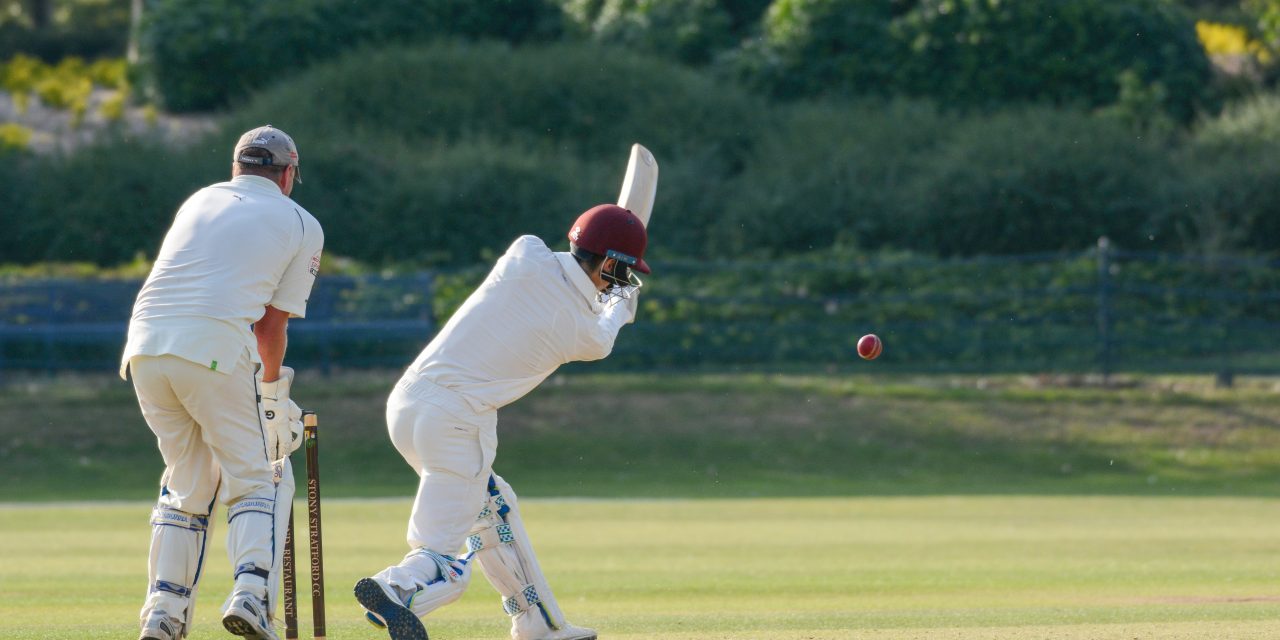
Pakistan has always produced great fast bowlers. Pakistan has produced fast bowlers like Imran Khan, Wasim Akram, Waqar Younis, and Shoaib Akhtar, who made pace bowling an integral part of fast bowling around the world. All these great fast bowlers should be role models for young fast bowlers. Now let us see how Pakistan has set the standards for fast bowling.
How Fast Bowling Became Part of Pakistan’s Cricket Identity
Pakistan’s pace tradition developed through numerous generations of successful fast bowlers, rather than one solitary generation. Imran Khan demonstrated how to use pace and swing coupled with control to dominate world cricket. Later, Wasim Akram and Waqar Younis introduced reverse swing and deadly yorkers that revolutionized the game. Cricket fans using a betting app in Pakistan can track these modern fast bowlers with live odds, fast payouts, and instant match statistics. These legendary traditions continue to shape how new generations analyze and follow every spell.
This success then continued with the continued success of fast bowlers being prominent in Pakistani cricket. There were many young fast bowlers across the country who had a choice of several fast bowlers to follow. Coaches would provide these young aspiring fast bowlers with control and fitness training using successful fast bowlers as an example. Through this, Pakistan became a very strong nation in fast bowling on the global stage.
Four Qualities That Defined Pakistan’s Leading Fast Bowlers
Speed alone has not defined Pakistan’s pace attack over the years. Each generation has employed its own style, but certain constants have defined Pakistan pace bowling:
- Late deliveries – using high-speed swing made the ball very difficult for the batsman to read prior to committing to a shot.
- Accuracy in yorkers – the top fast bowlers tended to target the base of the stumps at crucial stages of the game.
- Variety of options – the availability of both right- and left-arm fast bowling offered a variety of angles and challenges to the batsman.
- Aggressive bowling – fast bowlers would tend to target the ball rather than just defensively contain it.
These attributes were utilized in different ways across the years. However, the fact that they were recurring attributes has allowed for a distinct style of Pakistani pace attack to emerge.
Talent Matters, but Finding and Developing It Matters Just as Much
Natural pace can be quite attractive; however, international fast bowling involves more than just speed. A fast bowler also needs good control, physical preparation, an understanding of tactics and methods for dealing with each surface. Pakistan has developed fast bowlers through several competitive avenues. Two of these have proven particularly important.
Domestic Cricket Gives Raw Pace a More Demanding Test
Domestic competition exposes young fast bowlers to batters capable of punishing poor lengths and inconsistent spells. That pressure forces promising quicks to develop accuracy alongside natural speed. Fans tracking these emerging talents through the app Melbet get live performance stats, quick bets, and smooth mobile navigation. Longer formats also test whether bowlers can maintain technique across repeated spells. These demands reveal qualities that short trials cannot measure properly.
Domestic cricket also exposes bowlers to the various types of batsmen they can contain. There are batsmen who find difficulty with bounce, others who are vulnerable to movement, and some who respond to well-executed changes in angle. Understanding this assists in the development of strategic awareness prior to international selection. Consistent good performances offer selectors more information than flashiness at pace.
Former Greats Created a Technical Reference for New Generations
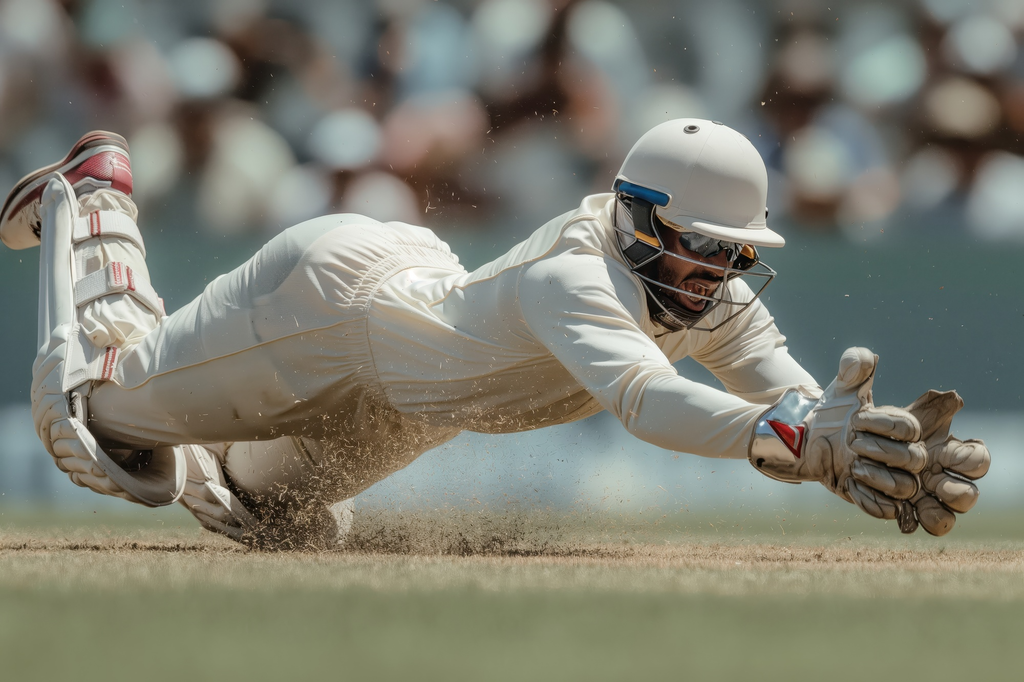
Pakistan has produced a number of fast bowlers over the years, and this provides a significant amount of material for young fast bowlers to use in their development. Wasim used left-arm swing, Waqar was highly associated with fast attacking full-length bowling, and Shoaib Akhtar demonstrated the potential of extreme fast bowling to test even international-level cricketers. Each of these bowlers used different techniques and expanded the range of material available for analysis.
However, young fast bowlers do not need to replicate these techniques exactly. Instead, they can benefit from analyzing run-up rhythm, release points, tactical sequencing, wrist position, and run rate. Furthermore, former fast bowlers can also provide input to the development of young bowlers through commentary, camps, coaching and direct interaction. This ensures that specialist knowledge remains linked to current training.
Modern Fast Bowlers Face Different Demands Across Three Formats
A modern-day international pacer has to cope with a lot of differences due to the variations between the formats of cricket (Test, ODI, T20). In Test cricket, one has to master the skill of ‘tempo’ by building up pressure, varying line, length, and pace, and executing delivery plans over a considerable amount of time. In contrast, a T20 bowler needs to master the art of a skillful yorker, a slower one, variable pace, and, most importantly, the ability to execute a skill under pressure. ODI bowling requires a blend of both formats.
Additionally, modern-day cricket requires fast bowlers to be managed carefully due to the demand for fast bowling and the resulting high workloads. Modern-day fast bowling requires a high level of fitness and recovery management. Maintaining high availability combined with high pace has become extremely important in fast bowling.
Why Pakistan’s Pace-Bowling Reputation Still Carries Weight
Every Pakistani fast bowler who has stepped into international cricket has been compared to a group of outstanding fast bowlers from earlier years. The reason for this is the number of exceptional fast bowlers Pakistan has produced over the years. Earlier outstanding fast bowlers placed importance on natural ability, control, high levels of tactical ability, fitness, tank-like quality, and strength. Soon enough, the tradition of fast bowling made an everlasting mark in international cricket.