How food is enhancing the athlete experience
By Dave Bodle
For athletes and families traveling to South Carolina for a tournament, championship or other sporting event, the competition may be the reason they arrive. Increasingly, what happens around the competition is becoming part of the destination experience. In South Carolina, that experience includes food.
Explore more destinations, facilities and sports tourism ideas in the latest Sports Planning Guide.
The Palmetto State has long had a distinctive culinary identity, from Lowcountry seafood and Gullah Geechee traditions to Carolina barbecue, heirloom rice and Southern comfort food. Now, a growing collection of nationally recognized chefs and restaurants is putting South Carolina on the culinary map in ways that can enhance the experience for sports travelers.
That is particularly important as South Carolina continues to attract major sporting events and traveling teams. Athletes, coaches and families aren’t simply looking for a place to compete. Between games and practices, they want places to eat, explore and create memories. South Carolina is increasingly delivering all three.
A National Culinary Spotlight
The state’s culinary momentum received a significant boost with the inaugural November 2025 MICHELIN Guide American South selection.
Four South Carolina restaurants earned One MICHELIN Star: Scoundrel in Greenville and Malagón, Vern’s and Wild Common in Charleston. The state also received Bib Gourmand recognition for Leon’s Oyster Shop, Lewis Barbecue and Rodney Scott’s BBQ in Charleston.
The recognition gives sports planners another way to sell South Carolina to traveling groups: a tournament can be more than a weekend of games. It can become a destination experience built around competition, local culture and memorable meals.
Greenville, in particular, illustrates the evolution of the state’s food scene. The city has developed a walkable downtown dining district with everything from casual Southern favorites to international cuisine and sophisticated restaurants. South Carolina tourism officials now describe Greenville as one of the state’s emerging culinary destinations. The MICHELIN recognition adds another layer of credibility.
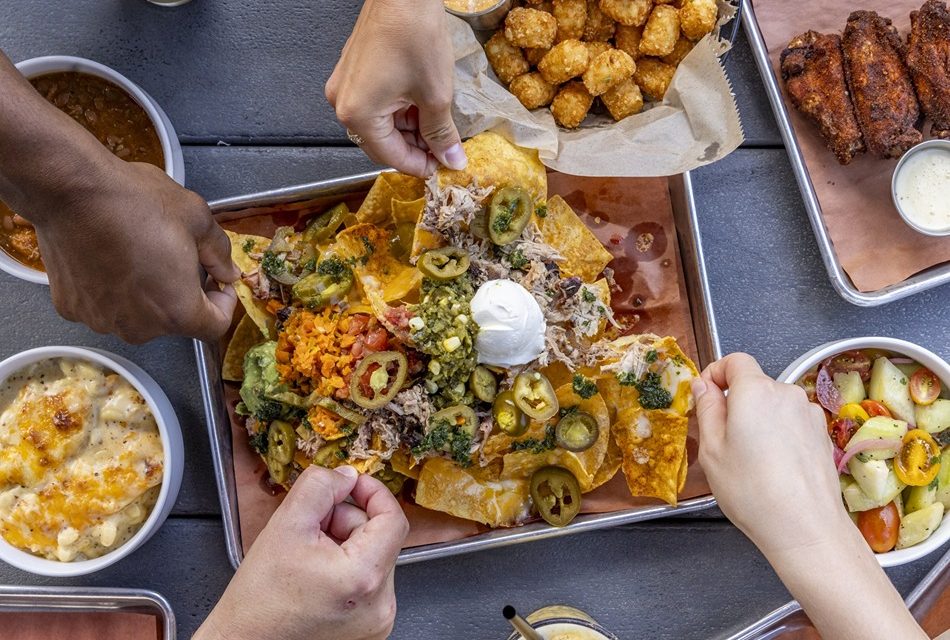
For a family traveling to Greenville for a youth sports tournament, that might mean burgers, pizza or barbecue for one meal, a quick downtown lunch between games and an upscale dinner to celebrate a championship. The same destination can serve different tastes and budgets without requiring travelers to leave the tournament area.
Planning your next event? Discover destinations and facilities in the latest edition of Sports Planning Guide.
Food With a Sense of Place
South Carolina’s culinary story isn’t simply about acclaimed restaurants. It is also about the foods that could only tell the same story in the Palmetto State.
Consider Carolina Gold rice an heirloom grain with deep connections to the state’s Lowcountry history. Rice cultivation helped shape the economy and culture of coastal South Carolina, with enslaved Africans bringing specialized knowledge that
made the crop enormously successful. Today, Carolina Gold has been revived and embraced by chefs interested in heritage ingredients and South Carolina’s culinary history.
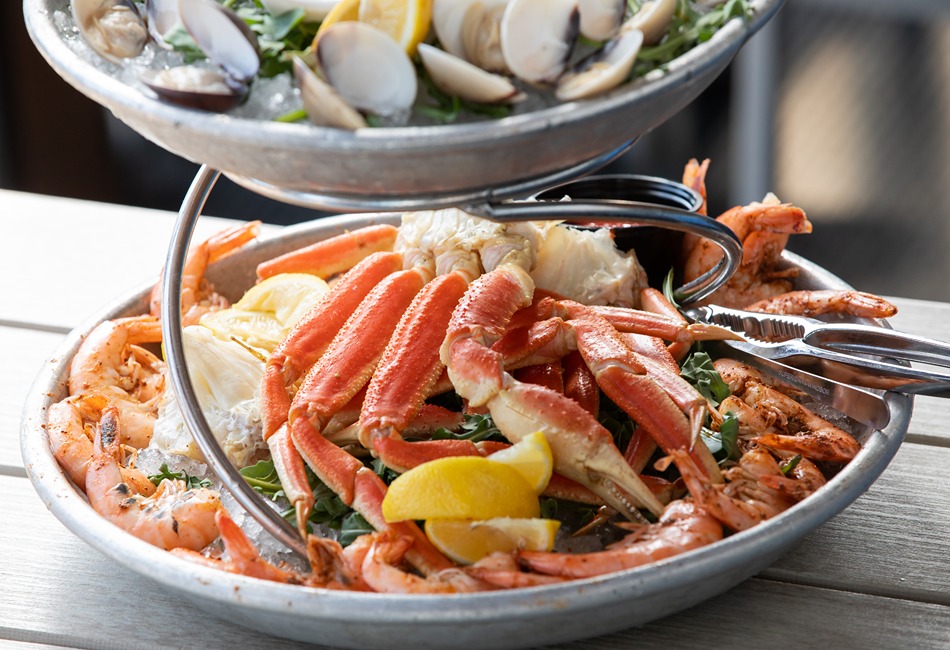
Then there is Carolina Gold barbecue sauce, the distinctive mustard-based sauce associated with South Carolina barbecue. Along the coast, seafood defines the table, with dishes such as shrimp and grits, she-crab soup and Frogmore Stew—or Lowcountry boil—connecting visitors with the state’s coastal traditions.
Boiled peanuts offer a different kind of culinary experience. Sold at roadside stands and markets, the state’s official snack is simple, inexpensive and distinctly Southern.
In the Midlands and Pee Dee, chicken bog combines chicken, smoked sausage and rice into a hearty dish that is as much about comfort and community as it is about ingredients.
These foods provide something valuable for sports tourism: a taste of place. A traveling team can eat familiar food almost anywhere. Experiencing something associated specifically with South Carolina gives visitors a reason to remember where they played.
From the Field to the Food Scene
The connection between sports tourism and culinary tourism is especially apparent in the Upstate.
Greenville’s appearance in Bravo’s Top Chef Season 23, which aired in May 2026, put the region’s food culture in front of a national television audience. The chefs visited Soby’s in downtown Greenville, where they staged an eight-course dinner party, before heading to Lake Hartwell’s Green Pond Landing for a fishing-themed challenge featuring fish from the lake. The significance goes beyond television exposure.
The episode demonstrated how food can connect restaurants, local ingredients, outdoor recreation and event venues into one destination story. That’s precisely the kind of combination that appeals to sports travelers.
A team might compete during the day, explore a lake or downtown district afterward and finish the evening around a table. Parents can discover a restaurant while athletes grab something casual. Coaches can organize a team dinner. Families can turn an event weekend into a short vacation. The competition remains central, but the experience surrounding it becomes part of the reason to return.
A Culinary Identity That Keeps Evolving
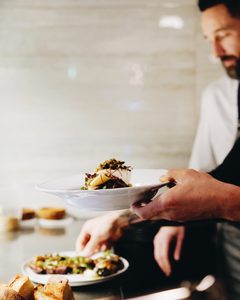
South Carolina’s food story also resists easy categorization. The state’s culinary traditions reflect Indigenous ingredients, African and Gullah Geechee influences, European traditions and generations of Southern cooking. Today, chefs are building on that foundation while incorporating global techniques and contemporary ideas.
South Carolina tourism officials’ Chef Ambassador program highlights that diversity, from dock-to-table seafood in Charleston to globally influenced kitchens in the Upstate and along the Grand Strand.
That variety matters to sports travel. Not every athlete wants the same meal, and not every family has the same budget or culinary interests. A destination with a broad dining mix can accommodate the quick post-game meal, the team celebration, the family dinner, and the special night out. For sports event planners, that’s an important piece of the destination puzzle.
The Extra Inning of the Travel Experience
Sports destinations are judged first on their ability to host an event. Are the facilities right? Are hotels convenient? Can transportation work? Is there enough capacity?
Once those requirements are met, the experience surrounding the event can become a differentiator. South Carolina’s culinary scene provides one more reason for athletes and families to extend a stay, explore beyond the venue, and return for another event.
A tournament might bring visitors to Greenville, Charleston, Columbia, Myrtle Beach, or another South Carolina community. Food can help them understand the destination once they arrive. They may come for the championship.
They may remember the Carolina barbecue, the Lowcountry boil, the heirloom rice, the seafood, the neighborhood restaurant or the unforgettable dinner afterward.
For South Carolina, that’s a winning combination: great competition followed by great food—and a destination experience that lasts well beyond the final whistle.
Find more ideas for your next sporting event in the Sports Planning Guide.