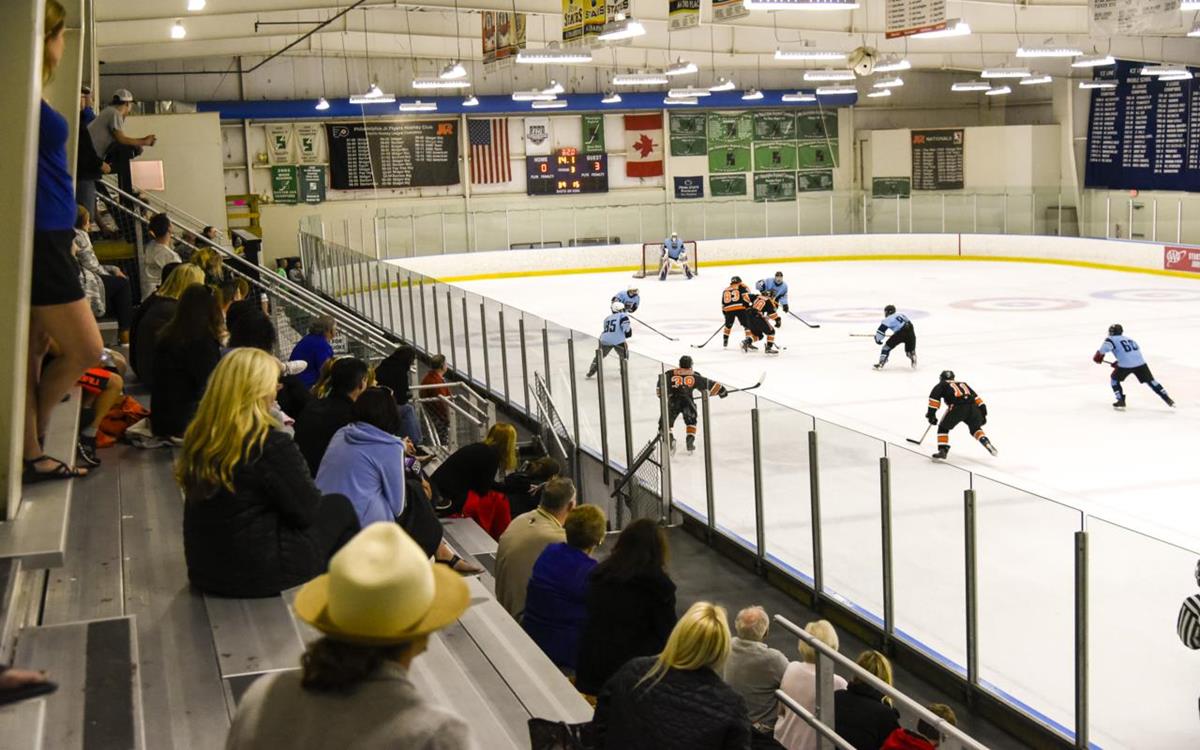
While a frozen pond can suffice for a family skate or a three-on-three game of hockey, rights-holders (the organization responsible for running an event) often need state-of-the-art ice centers to keep tournaments on time, safe, and spectator-friendly—especially when you’re comparing ice skating rinks in America across very different climates.
Before you shortlist a venue, it’s smart to pressure-test basics like location, the number of sheets, locker/team space, viewing areas, and food service. And if you’re considering a seasonal build, you’ll also want a reality check on portable ice skating rink rental cost.
Most multi-division events run smoother with at least two sheets so you can reduce schedule gaps and avoid constant warmups/cooldowns. Larger showcases may need four+ sheets to keep game blocks tight and minimize shuttling between venues.
What to look for in an ice center (planner checklist)
Use this quick checklist to compare venues consistently:
- Sheets of ice: enough to run concurrent game blocks
- Team flow: dedicated team rooms/locker rooms and staging space
- Spectator experience: clear sightlines, heated viewing areas (where applicable), seating capacity
- On-site support: pro shop, skate sharpening/rentals, athletic training/first-aid protocols
- Food + downtime: café/restaurant options, arcade or family amenities for siblings
- Operations: parking, loading access, schedule flexibility, and staffing depth

Big Bear Ice Arena (Denver, Colorado)
Big Bear’s two ice arenas can be converted into whatever your event calls for, from figure skating and hockey to broomball and bandy. Conveniently located in Denver, the arena also features a full-service pro shop—helpful when teams need last-minute sharpening, tape, or replacement gear.
Schwan Super Rink (Blaine, Minnesota)
On the campus of the National Sports Center, the Schwan Super Rink is built for volume: eight sheets total (four Olympic-size and four NHL-size). The heated upper-deck concourse and full-service Hat Trick Café make it easier to keep parents, coaches, and teams comfortable between games.
Pettit National Ice Center (Milwaukee, Wisconsin)
Opened in late 1992, the Pettit is widely known for speed skating and features two international-size ice rinks plus a 400-meter speed skating oval—a strong fit for tournaments, training weekends, and multi-discipline events that mix hockey, figure skating, and speed skating.
Toyota Sports Performance Center (El Segundo, California)
This 135,000-square-foot training facility is a hub for hockey and skating events and houses three ice surfaces, plus on-site food service and a pro shop—useful for full-day tournament schedules.
Skating Club of Boston (Norwood, Massachusetts)
A storied name in American figure skating, the Skating Club of Boston now operates out of Norwood (with its modern facility opening in 2020), giving it more capacity for skating and hockey programming than the earlier, smaller “skating barn” era many people remember.
Queen City Sportsplex (Cincinnati area, Ohio)
Formerly known as Sports Plus, Queen City Sportsplex is the official practice facility of the ECHL Cincinnati Cyclones and offers two full sheets of ice plus additional indoor-court space—handy if your event needs off-ice activations or multi-sport flexibility.
Ice Den Scottsdale (Scottsdale, Arizona)
Ice Den Scottsdale is a 150,000-square-foot ice sports center built to serve as the practice facility for the NHL’s Arizona Coyotes (1998–2024). On-site amenities like a bar & grill, café-style concessions, pro shop, and training support help keep tournament days moving.
New England Sports Center (Marlborough, Massachusetts)
This complex is designed for high-volume weekends, featuring eight full-size ice surfaces, two studio rinks, and 50 team rooms, plus multiple food options, pro shop services, and viewing space.
NYTEX Sports Centre (North Richland Hills, Texas)
NYTEX is a multi-purpose arena setup with a main bowl plus an additional ice surface that can convert for other uses—helpful for events that want an “arena feel” for showcase games while still keeping practice/public programming running.
Las Vegas Ice Center (Las Vegas, Nevada)
If you’re scouting a destination-friendly option, Las Vegas Ice Center supports tournament weekends with two rinks and a roster of add-ons like training features, a pro shop, and on-site food service.
Portable ice skating rink rental cost (reality check)
Portable rink costs are quote-based and vary by size, refrigeration, power needs, and staffing. For public-facing, multi-week builds, municipal budgets can reach hundreds of thousands once you include installation, operations, electricity, and teardown (City of West Hollywood, 2018).
No matter how you plan to use the ice, each venue on this list brings something different to the table—capacity, training support, spectator comfort, or destination appeal.
FAQ
1) How many sheets of ice do we need for a weekend tournament?
Two sheets is a common minimum for running overlapping game blocks and staying on schedule. If you’re hosting multiple age groups or divisions, more sheets reduce idle time and simplify referee/scorekeeper staffing.
2) What should we ask in an ice facility RFP?
Request sheet count, team room/locker capacity, food service hours, parking plan, medical/athletic training support, and any blackout dates. Also ask how they handle schedule changes, weather contingencies (if outdoors), and event staffing.
3) Do we need “stay-to-play” for a hockey tournament?
It depends on your size and destination goals. Stay-to-play can stabilize room blocks and event economics, but it adds friction—so be clear about hotel options, release dates, and exceptions for local teams.
4) What amenities matter most for family travel tournaments?
Heated viewing areas, convenient food options, clean restrooms, and downtime activities (arcade/game space) help families stay on-site longer. That usually improves concessions revenue and reduces late arrivals.
5) What’s the biggest hidden cost when hosting on ice?
Off-ice logistics: staffing, security, medical coverage, signage, and transportation between hotels and the rink (if spread out). Those items can swing your budget more than the hourly ice rate.