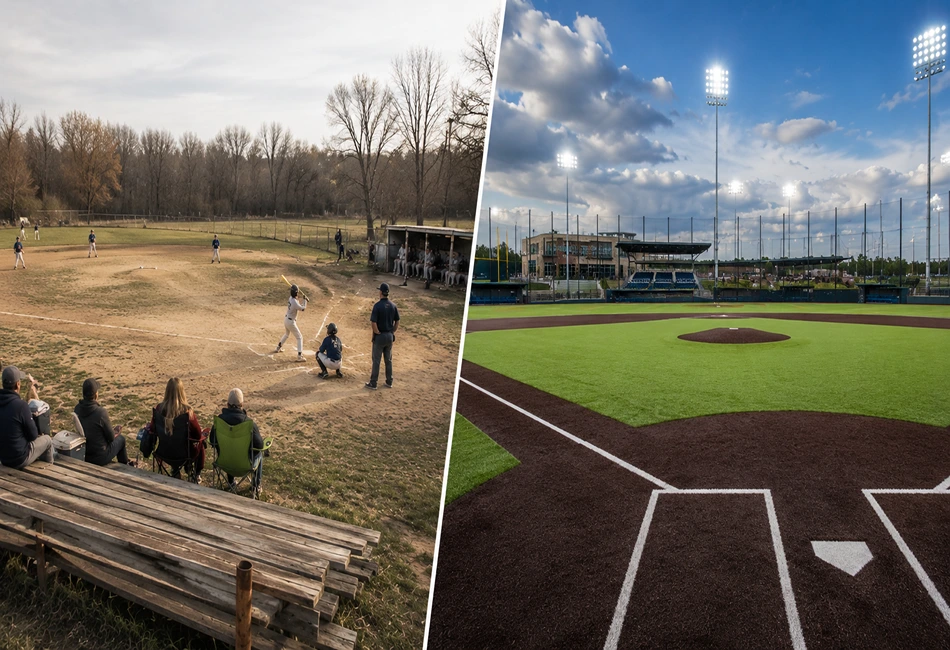

How sports like beach volleyball and beach soccer are becoming strong contenders in the world of sports tourism
Beach volleyball and beach soccer are becoming stronger contenders in the sports tourism landscape. What once may have been viewed mainly as casual fun in the sun now includes youth development pathways, collegiate programs, international tours, professional competition and destination-friendly events that can draw athletes, spectators and families.
Beach sports are growing because they combine athletic competition, spectator appeal, lower equipment barriers and destination-friendly settings. For sports tourism planners, beach volleyball and beach soccer can turn coastal, lakefront or purpose-built sand venues into tournament assets.
From beach volleyball courts lining the coasts to the fast-paced action of beach soccer on compact sand fields, beach sports are gaining traction as competitive arenas with serious players and growing fan bases. The rise of beach sports is being fueled by shifting consumer interests, increased media visibility, grassroots programs and expanded opportunities for women and youth athletes.
While there are many varieties of beach sports, two sectors stand out for sports planners: beach volleyball and beach soccer. Both have growing participation pathways, international visibility and event formats that can work well for destinations with the right sand-court infrastructure.
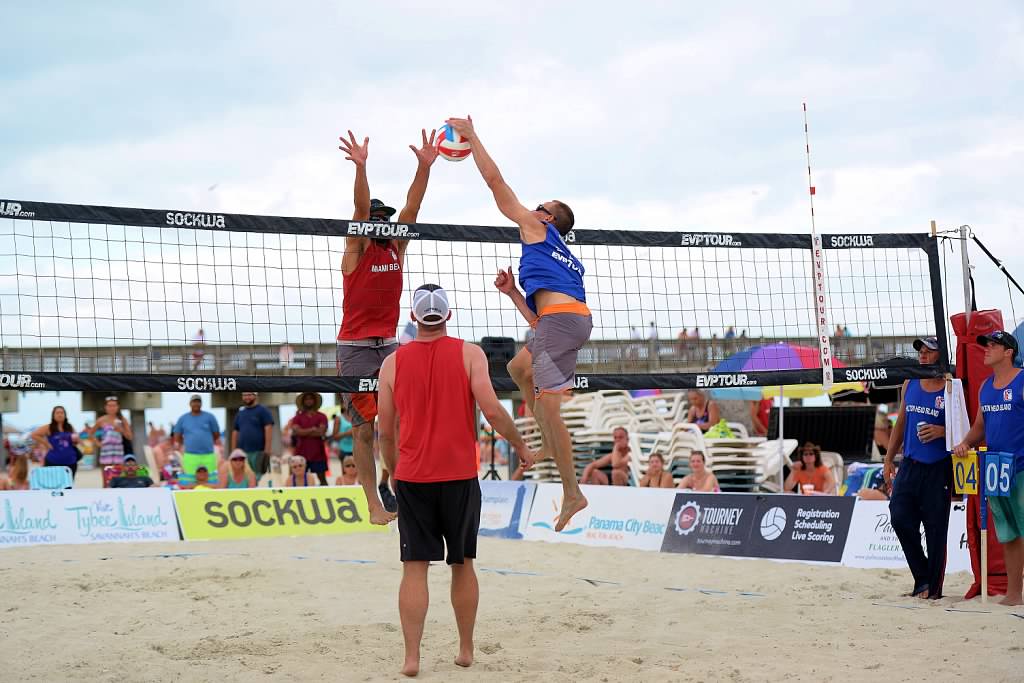
Beach volleyball is still at the top of the crop
Beach volleyball has experienced significant growth over the past two decades, cementing itself as a professional sport, a collegiate championship sport and a staple of amateur events, youth programming and recreational summer play.
At the collegiate level, the sport continues to expand. The American Volleyball Coaches Association reported that NCAA beach volleyball topped 100 programs for the first time in 2025, a major jump from the sport’s inaugural 2012 NCAA season, which included 15 participating programs.
That growth matters for sports tourism. More collegiate programs mean more athletes, more coaches, more recruiting interest and more demand for quality sand venues that can host camps, showcases, invitationals and postseason events.
Youth participation has also surged, driven by local tournaments, coaching clinics, camps and national-level opportunities. Many players begin in youth divisions, then use larger tournaments and showcase events to gain experience and exposure.
Direct Answer: Beach volleyball is growing through college expansion, youth tournaments, professional tours and Olympic visibility. For destinations, this creates demand for sand courts, event operations, lodging partnerships and spectator-friendly tournament layouts.
The sport’s Olympic profile has also helped elevate its visibility. Internationally, the Beach Pro Tour continues to provide a professional pathway for elite athletes. FIVB announced that the 2026 Beach Pro Tour would include Elite and Challenge events across four continents, with expanded prize money and equal prize money for men and women.
For planners, this professional momentum matters even at the local and regional level. More visibility at the top of the sport can help youth and amateur events feel more aspirational, especially when destinations can create a tournament atmosphere with music, sponsor activations, food trucks, shaded seating and strong social media coverage.
There are still challenges. Beach volleyball competes with other fast-growing sports for athletes, court space and event calendar slots. Some destinations also lack enough sand courts to support larger tournaments. That makes purpose-built sand venues, temporary court installation and partnerships with parks departments or private operators increasingly important.
For sports destinations, the opportunity is clear: beach volleyball can work as a stand-alone tournament product or as part of a larger beach sports festival.
Planner takeaway: Beach volleyball events need more than sand. Successful hosts should plan for court count, sand quality, lighting, water stations, shade, athlete recovery space, weather plans, parking, nearby hotels and spectator flow.
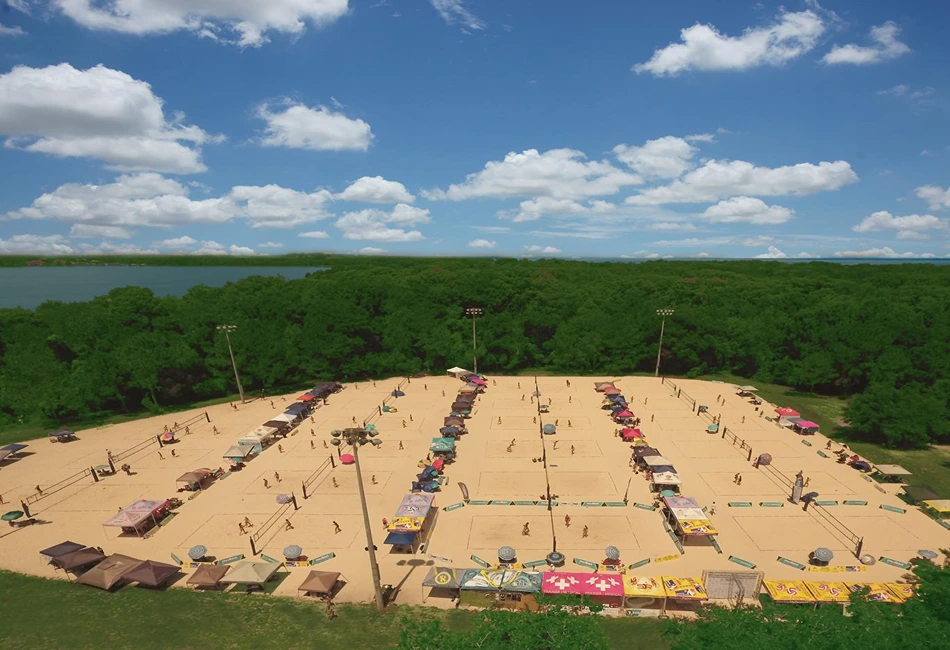
Beach Soccer’s Global Push Is Creating New Opportunities
Beach soccer is carving out its own path as an alternative version of “the beautiful game.” Its compact field, fast pace and highlight-friendly style make it appealing for fans and players, while its sand surface creates a distinct identity from traditional soccer.
Raquel Gamez, director of marketing at Beach Soccer Worldwide, emphasized that supporting grassroots programs and organizing youth competitions are key initiatives for long-term development.
“We work closely with local federations, clubs, and academies to introduce coaching programs, share resources, and encourage youth participation in the sport,” said Gamez.
These efforts align with BSWW’s global approach, which focuses on fostering talent across different communities and building the sport from the ground up.
A central part of the movement is gender equality. Gamez highlights the significant strides BSWW has made in expanding women’s competitions, increasing visibility and providing more platforms for female athletes to compete at higher levels.
“We have made significant strides by expanding women’s competitions, increasing visibility, and providing more platforms for female players to showcase their talent,” Gamez added.
Outreach programs, community-driven clinics and youth tournaments are all important because they introduce beach soccer to children from diverse backgrounds. This kind of grassroots development can help the sport reach new regions while creating more inclusive pathways for play.
The international calendar also continues to raise the sport’s profile. The 2025 FIFA Beach Soccer World Cup took place in Seychelles from May 1-11, marking the first time the tournament was held in Africa. Brazil defeated Belarus 4-3 in the final to retain the title and win a record-extending seventh FIFA Beach Soccer World Cup crown. FIFA also reported that 80,000 people watched matches inside Paradise Arena during the tournament.
In the United States, beach soccer is gaining more formal infrastructure. U.S. Soccer’s Arthur M. Blank U.S. Soccer National Training Center, opened in 2026, includes two sand pitches for beach soccer as part of a 200-acre national training campus. U.S. Soccer also continues to field men’s and women’s beach soccer national teams in international events such as the 2026 BSWW Acapulco Beach Soccer Cup.
Direct Answer: Beach soccer is growing through international competitions, national team programming, youth development and dedicated sand-pitch infrastructure. For destinations, the sport offers a compact, high-energy event format that can fit beaches, temporary venues and multi-court sand complexes.
For sports tourism planners, beach soccer can be especially attractive because it is visually engaging, space-efficient and adaptable. Events can be built around youth tournaments, adult divisions, exhibitions, national team showcases or beach-sports festivals that combine soccer with volleyball and other sand sports.
Planner takeaway: Beach soccer events need clear field dimensions, quality sand, boards or boundary systems, lighting when needed, trained officials, scorekeeping, shaded team areas, spectator seating and strong medical planning for heat, hydration and surface-related demands.
Why Beach Sports Fit the Future of Sports Tourism
Beach sports are no longer just about recreation. They are becoming an important part of the sports tourism landscape because they match several trends destinations are watching closely:
- Outdoor and open-air event demand
- Youth and amateur tournament growth
- Women’s sports visibility
- Multisport festival formats
- Social media-friendly competition environments
- Community access to lower-barrier sports
- Flexible use of parks, beaches and sand complexes
Beach volleyball and beach soccer each have their own challenges, but they share a common growth pattern. Like traditional sports, both need youth pathways, coaching, strong event operations, gender-equity initiatives and accessible facilities.
They also offer something distinctive: a strong sense of place. A beach volleyball tournament or beach soccer event naturally feels connected to its setting, whether that setting is an oceanfront destination, a lakefront park, a resort district or a purpose-built inland sand complex.
For destinations without natural beaches, the opportunity is still real. Community sand courts, temporary event builds and inland beach sports complexes can create a beach-sport experience in places far from the coast.
Direct Answer: Beach sports can help destinations expand their event calendars because they combine competition, tourism appeal and flexible venue models. Coastal destinations, lakefront communities and inland cities with sand-court facilities can all use beach sports to attract teams and visitors.
The next phase of growth will depend on infrastructure and consistency. Destinations that invest in quality sand courts, support grassroots programming and package events around lodging, dining and visitor experiences will be better positioned to benefit from the rise of beach sports.
What Planners Should Consider Before Hosting Beach Sports
Beach sports can look simple, but strong event planning still matters. The best events account for the needs of athletes, spectators, officials, volunteers and venue staff before the first match begins.
For beach volleyball and beach soccer events, planners should evaluate:
- Sand depth, drainage and maintenance
- Court or field dimensions
- Lighting and power access
- Shade, hydration and cooling areas
- Athlete warm-up and recovery space
- Spectator seating and sightlines
- Sound systems and event atmosphere
- Medical coverage and heat-safety plans
- Restrooms, concessions and waste management
- Parking, load-in and vendor access
- Hotel blocks and transportation patterns
- Weather, wind and storm contingency plans
Beach volleyball and beach soccer are rising because they offer something sports tourism increasingly values: competitive energy, flexible event formats and a strong destination identity. For communities willing to invest in the right infrastructure and programming, the tide is still coming in.
By Christopher D. Silbernagel
Updated 5/8/26