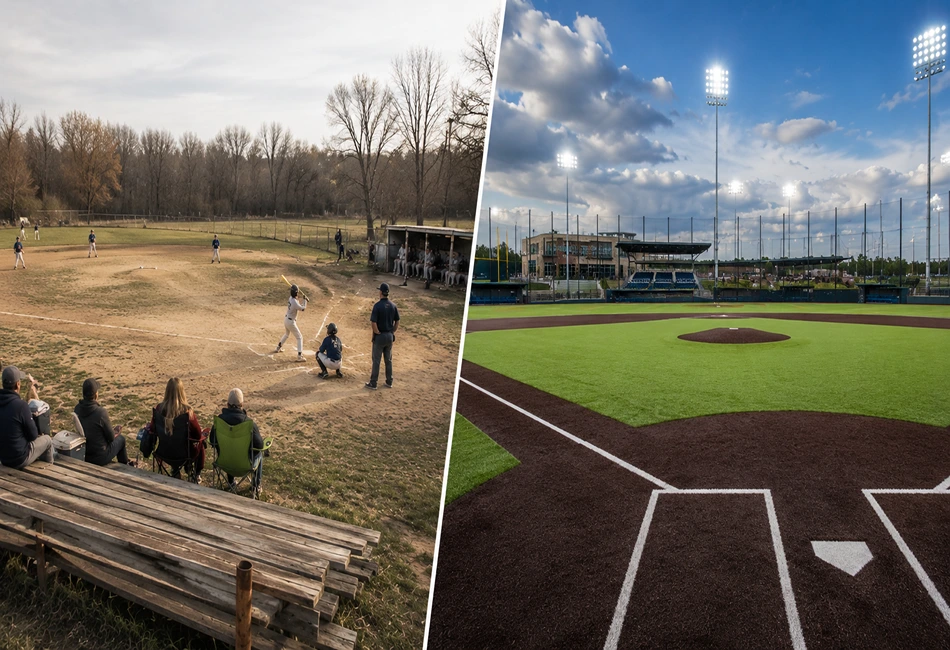
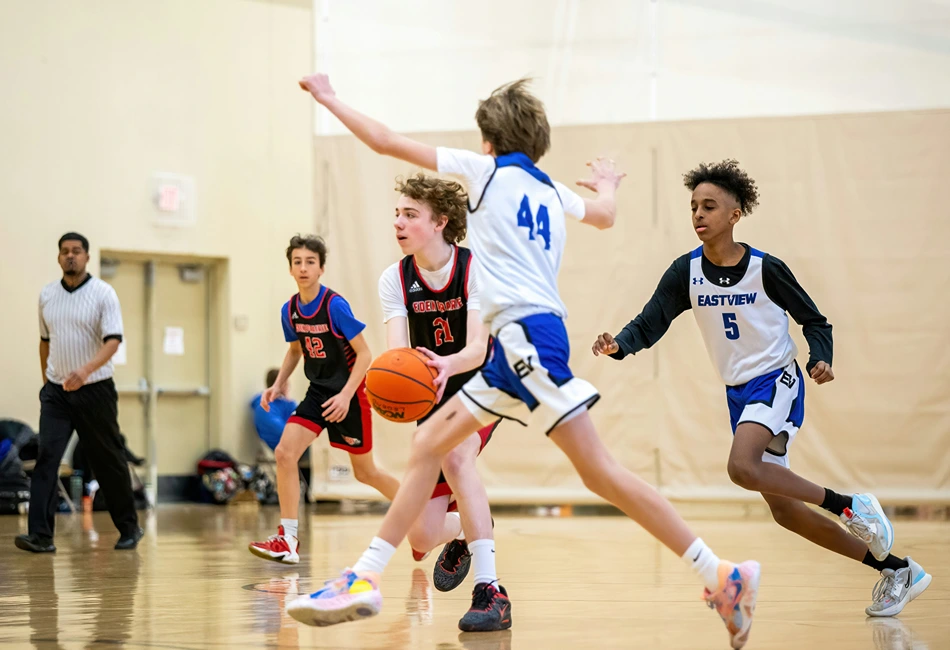
Data reveals a widening gap between casual play and the travel tournament pipeline
Read about the latest facility developments in Breaking Ground news.
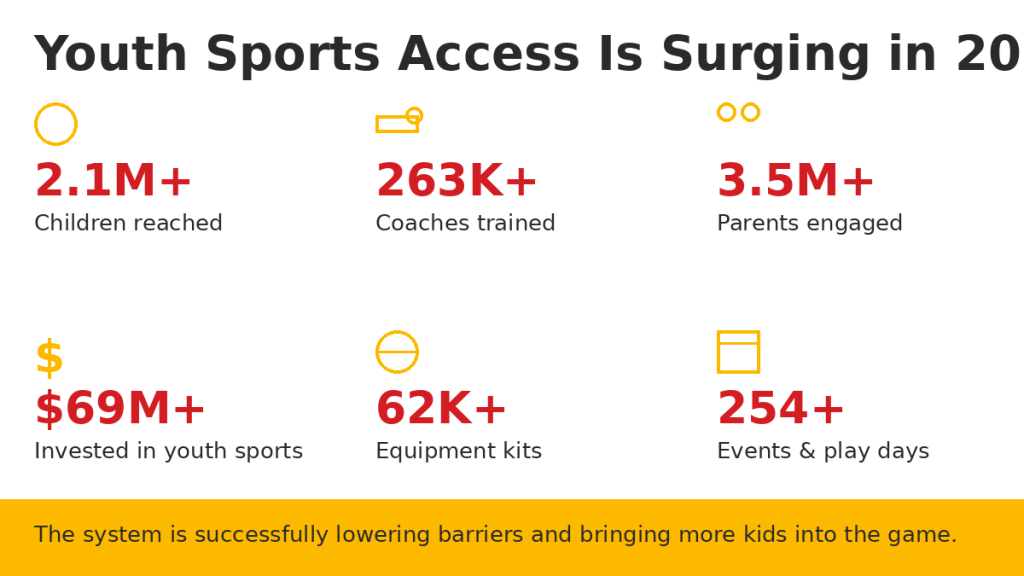
Across the country, more kids are getting introduced to sports through free play events, entry-level leagues and community-based programming. The latest report from the Aspen Institute’s Project Play initiative shows that more than 2.1 million children were reached in 2025 through leagues, events and grassroots activations, supported by over 250 sports sampling opportunities nationwide.
Equipment distribution, grant funding and facility investments are expanding access at a scale the youth sports system has not seen in years. At the same time, organizations collectively invested more than $69 million to reduce cost barriers and create new opportunities to play.
Participation is rising at the entry level. But that growth is not carrying through to the competitive side of the system in the same way. For event organizers, destinations and rights holders, that disconnect is becoming harder to ignore.
More Entry Points, Fewer Conversions
The current youth sports model is doing exactly what it was redesigned to do: get more kids into the game.
The Project Play framework focuses heavily on access. Lower costs, local programming and flexible formats are bringing in new participants, many of whom would not have entered the system a decade ago. Free play initiatives, equipment grants and introductory events are removing the traditional barriers that kept families on the sidelines.
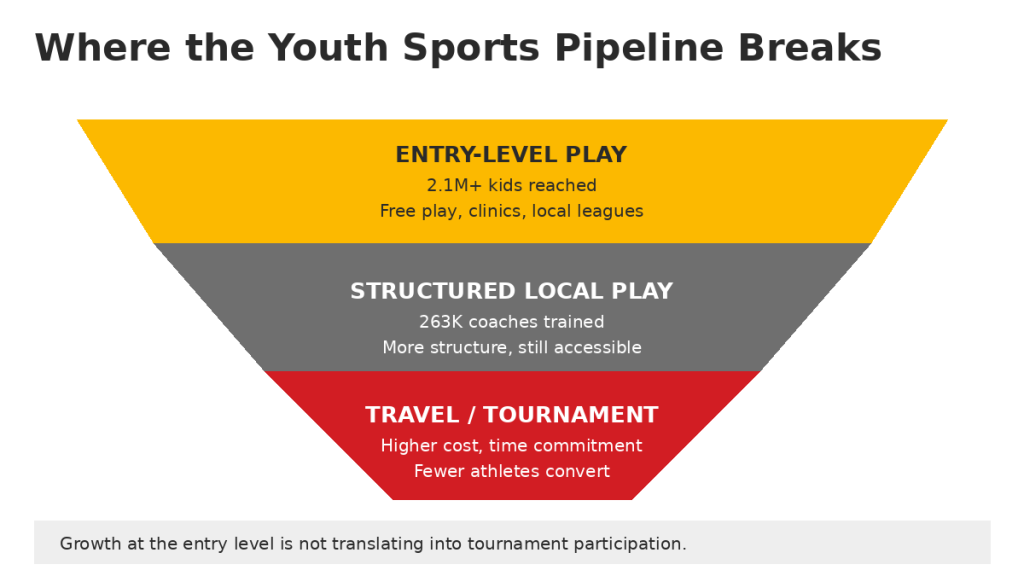
What is less developed is the next step. Travel tournaments depend on a different level of commitment. Families are asked to invest more time, more money and more structure into their child’s participation. That expectation does not always align with how new participants are entering the system today.
The result is a growing gap between initial participation and sustained, competitive engagement.
A Different Participation Pattern
The traditional pathway into tournaments was relatively consistent. Athletes progressed from recreational play into team-based competition and, eventually, into travel events.
That progression now varies widely. Many families choose shorter seasons, multiple sports and local play over year-round commitments. National messaging is reinforcing those choices. Campaigns tied to Project Play emphasize multi-sport participation and reducing pressure on young athletes, with a focus on enjoyment and development rather than early specialization.
Those shifts are positive from a health and retention standpoint. They also change how and when athletes move into competitive environments.
Explore our collection of in-depth resources like whitepapers, case studies and more.
Where the Pipeline Slows
The gap is most visible between introductory programming and structured competition. The Project Play report highlights significant investment in early-stage engagement, including hundreds of sampling events and large-scale community activations.
It also points to one of the strongest drivers of retention: coaching. More than 263,000 coaches and sport leaders were trained in 2025, part of a broader effort to improve the quality of the youth sports experience.
What sits between those two layers is less defined. In many markets, there are limited options for athletes who are ready for more structure but not prepared for the cost and commitment of travel competition. Without that intermediate step, a portion of participants never make the transition.
What This Means for Destinations
For destinations built around tournaments, participation growth at the entry level does not automatically translate into future event demand. The opportunity lies in how communities connect local programming to competitive pathways.
Facilities that host tournaments are also positioned to serve as entry points. Parks and recreation departments, club programs and private operators can align programming so that introductory experiences lead into leagues, and leagues connect to competitive events.
Some of the building blocks are already in place. Investments in facilities, coaching education and community partnerships are expanding capacity at the local level. The next step is using that capacity to guide participants through clearer progression.

Building a Stronger Pipeline
The markets that benefit most from participation growth will be those that develop structured pathways between casual play and competition, such as:
- Short-season leagues that introduce game formats without travel
- Tiered competition levels that allow gradual progression
- Programming that connects clinics, leagues and tournaments within the same facility or network
These approaches create more consistent touchpoints between first-time participants and the competitive system.
A Shift Worth Watching
The latest data from the Aspen Institute underscores how much progress has been made in expanding access to youth sports. Millions of kids are entering the system, supported by coordinated investment and national alignment.
For the sports tourism industry, the next challenge is making sure more of those participants stay engaged long enough to enter the competitive pipeline. That process is becoming less automatic and more intentional.
Subscribe to SPG for the latest fields, facilities, sites and stories in sports tourism.