How more inclusive and accessible sporting events can boost your bottom line
By Dawna Callahan

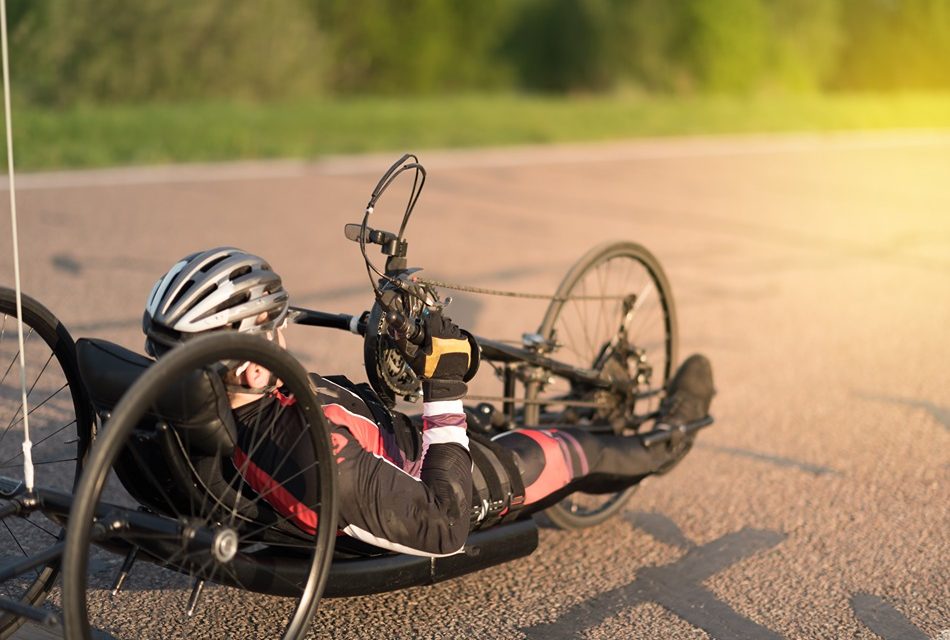
For families, planning a tournament weekend, or an overnight trip to catch a game in the big city, includes comparing hotel prices, restaurants and attractions. But for those who need an accessible hotel room, reliable transportation, an accessible locker room or a clear route to the playing field, there are even more details to consider. And for those with disabilities and their families, the level of accessibility could determine whether an entire group even decides to make the trip.
For sport facilities and destination marketing organizations (DMOs), the accessibility equation has business consequences. Even small barriers can mean lost tournament registrations, ticket purchases and visitor spending. Clearly, well-planned, inclusive experiences have the ability to create opportunities to earn business, create loyalty and encourage return visits.
Today, conversations about revenue, customer retention and destination competitiveness must include accessibility. Disabled athletes, fans and families are already participating in the sport economy. The real opportunity is to make it easier for them to choose your venue and community.
Explore today’s sports tourism headlines.
A market with big economic influence
According to the Disability & Sport Collective, the broader disability market, including friends and family, is a $1 trillion opportunity. And because accessibility can have a massive influence on where an entire household or team spends its money, many brands are simply leaving money on the table.
A 2026 study by the American Institutes for Research provides another measure: working-age adults with disabilities have approximately $674.3 billion in disposable income, including $107 billion in discretionary income.
It is a complex market with varied interests and expectations. A disabled visitor might be an athlete, season-ticket holder, parent watching a child compete or grandparent traveling with family. Regardless of their roles, each of these consumers presents different reasons to engage and requires different solutions – but they all represent potential spending inside and outside of the venue.
Research reveals strong sport engagement and spending
People with disabilities and those close to them represent a highly engaged sports consumer community, according to analysis from Sports Innovation Lab, part of Genius Sports.
The research examined approximately 327,000 consumers identified through purchases from 92 brands across 19 categories associated with independence, mobility, and accessibility. Its “People with Disabilities” community is a spending-based consumer segment that includes individuals living with disabilities and people close to someone with a disability. It is not a representative sample of all Americans with disabilities.
The analysis offers a compelling finding: People with disabilities are more likely to be sports fans.
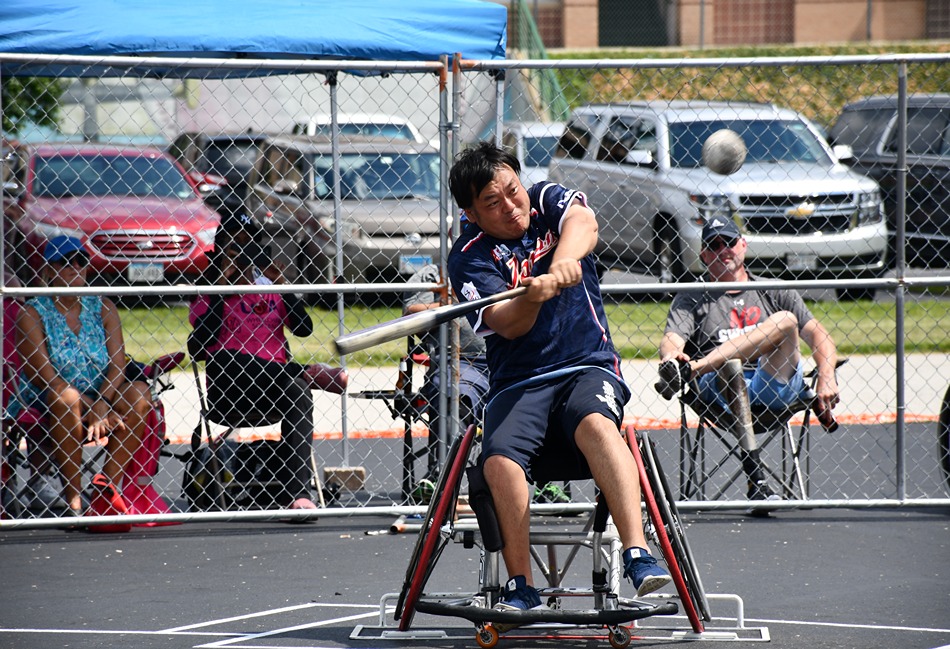
Over the 12 months studied, league-related purchasing behavior indexed at 6.5 times the general population for MLS, four times for the NHL and 3.5 times for the NBA. Community members were also 80% more likely to buy sports merchandise, 70% more likely to subscribe to sports streaming services and 40% more likely to support youth sports.
These findings offer the sports industry a clear business reason to invest in accessibility. Accessible youth sports facilities can welcome more athletes and spectators, while accessible digital experiences can help fans follow their teams when transportation remains a barrier. Merchandise and sponsorship strategies that recognize this community can turn strong fan engagement into commercial growth.
For the sports industry, investing in accessibility means investing in a community already demonstrating strong demand for its products and experiences.
What women’s sports can teach us
In a recent editorial, I explored the “prove it” culture shared by women’s sports and the disability market: underserved audiences are asked to demonstrate commercial value before receiving meaningful investment.
For facilities and destinations, this creates a planning problem. Athletes unable to secure accommodations or fans abandoning a confusing ticket purchase may never appear in demand assessments.
The solution: pair investment with measurement. Identify barriers, improve the experience, reach the intended audience and evaluate the results. Waiting for consumers to overcome every obstacle before recognizing their value risks losing valued customers and revenue.
Invest in the entire visitor journey
Yes, a ramp at the entrance is one part of an accessible sports experience. But it’s important to remember that the business opportunity relies on the experience of the full customer journey.
The Blueprint for Hosting Disability Inclusive Sporting Events, developed by Lakeshore Foundation and All In Sport Consulting, offers a framework through four areas: athlete experience, fan experience, disability education, and media training. Together, these elements connect infrastructure with the people and practices that make events successful.
Additional questions must be answered. Can visitors find accessibility information before booking? Can they independently purchase tickets or register? Can families sit together to cheer on their team? Are routes to restrooms, concessions, and viewing areas unobstructed?
And for athletes, planning extends from housing and transportation to training, competition, press conferences and medal ceremonies. The goal: safe, independent participation throughout the event, from start to finish.
An accessible experience also includes sensory, communication and digital access. Captioning, clear signage, accessible websites and spaces offering a break from noise and crowds help visitors navigate venues and enjoy events.
Staff, volunteers and hospitality partners need preparation in disability awareness, respectful communication and accommodations. Media coverage should focus on athletic achievement, helping prospective fans and sponsors to understand the competition.
Accurate information ties all of these event elements together. It is high time to ditch the “generally accessible” label, and instead describe actual features and services. And being sure to offer highly knowledgeable staff representatives means that athletes and visitors can plan confidently.
Build a destination team before the bid
Successful adapted and Para sport events require coordination among sports commissions, DMOs, facility operators, adapted sport organizations, sport-specific organizations and national governing bodies. The Blueprint’s principle, “Nothing about us, without us,” means that disabled athletes and spectators are essential planning partners.
Each partner brings distinct and valuable knowledge. Event organizers understand competition requirements. Local adapted sport organizations know community resources. Hotels and transportation providers understand available capacity. People with lived disability experience can identify gaps that a checklist may miss.
It’s critical to bring together all of these perspectives before submitting a bid. Confirm hotel room features, transportation options, venue readiness and staffing against actual event requirements. A solid process turns uncertainty into a practical, manageable hosting plan.
The economic opportunity is measurable and growing quickly. The Adapted Sport Economic Impact Study, conducted by All In Sport Consulting, Stitch Marketing Research and Huddle Up Group, reported approximately $199 million in total economic impact from adapted and Para sport-related events in 2025.
For destinations, this study reveals an existing event market in which accessible infrastructure and coordinated hospitality can support stronger bids and visitor experiences.
Measure the inclusion ROI
Measuring accessibility starts with an understanding of the possibilities that investment can realize. Can a facility now host competitions it previously could not accommodate? Can a destination compete and bid for more adapted sport events? Are more athletes participating, and are organizers choosing to return?
For facilities, useful measures include new events secured, additional days of facility use, rental revenue and growth in local adapted sport programming. Destinations can track room nights, visitor spending, repeat hosting agreements and business generated during traditionally slower tourism periods. Together, these measures show how accessibility can expand an organization’s event portfolio and strengthen the local sport economy.
And it’s not just about the numbers. The hosting experience is an important qualitative metric. Did athletes receive requested accommodations? Were suitable hotel rooms and transportation available when needed? Could participants reliably move between lodging,
competition and community activities? Feedback from athletes, families and event organizers can reveal whether investments delivered the experience promised – and where there is room for improvement.
For local engagement, track whether improvements support more year-round programs, increase participation among residents with disabilities and create lasting partnerships between sport organizations and community providers. A successful investment should strengthen both the destination’s ability to attract events and the community’s ability to participate in sport.
Create lasting community value
The benefits of hosting an adapted sport tournament continue long after the event. Accessible facilities can expand local recreation opportunities and help residents attend games with friends and family. Staff knowledge and stronger partnerships can support future hosting.
For destinations pursuing sport tourism growth, these investments build lasting capacity. Improvements welcoming visiting athletes and fans can also strengthen everyday community participation.
Disabled consumers are already highly engaged with sport. Facilities and destinations that offer usable infrastructure, reliable information and coordinated service give those consumers more reasons to visit, spend and return. With investment that expands opportunity, improves experiences and delivers measurable value for visitors, businesses and residents, accessibility is your next growth strategy.
Get the latest sports tourism news, destination insights and industry developments delivered to your inbox with InSite from SPG.
About the author
Dawna Callahan is the founder and CEO of All In Sport Consulting, bringing more than 20 years of experience advancing adapted and inclusive sports. A former director of programs at the Challenged Athletes Foundation and leader within the U.S. Olympic and Paralympic movement, she has worked with national and international organizations to expand sport opportunities for people with disabilities. A competitive wheelchair racer who placed fifth in the 2010 Boston Marathon, Callahan holds a master’s degree in Recreation Management from San Jose State University and serves on the Lakeshore Foundation Advisory Council and the Sports Events & Tourism Association DEI Task Force.