The shortage of officials is putting games, tournaments, and the economic impact of sports tourism at risk
By Brenda Hilton
“If you build it, they will come.”
This famous line from the 1989 movie Field of Dreams has come to life in just about every state and large metropolitan area across the country. There are over 11,000 sports complexes hosting millions of games and contests every year. All these contests, whether they’re baseball, tennis, volleyball or any other sport, have one thing in common: They need officials and referees to keep the games official contests rather than scrimmages or practices.
As one of the fastest-growing areas of the travel industry, cities are building mega sports complexes to attract tournament organizers and help strengthen local economies. The youth sports industry is a multi-billion-dollar business with no sign of slowing down.
But while there is growing conversation around the youth sports industry and its economic impact, there is not enough conversation about the ever-growing crisis surrounding the shortage and treatment of sports officials. The shortage of officials available to cover tournament games has reached a critical level.
A shortage of officials can result in tournament games being canceled, shortened or assigned to less experienced individuals. In either scenario, the quality of the experience can suffer, and frustration can quickly spread among players, coaches and fans.
Stay ahead of the trends shaping sports tourism with the Sports Planning Guide InSite newsletter.
Behind the Mask or Whistle
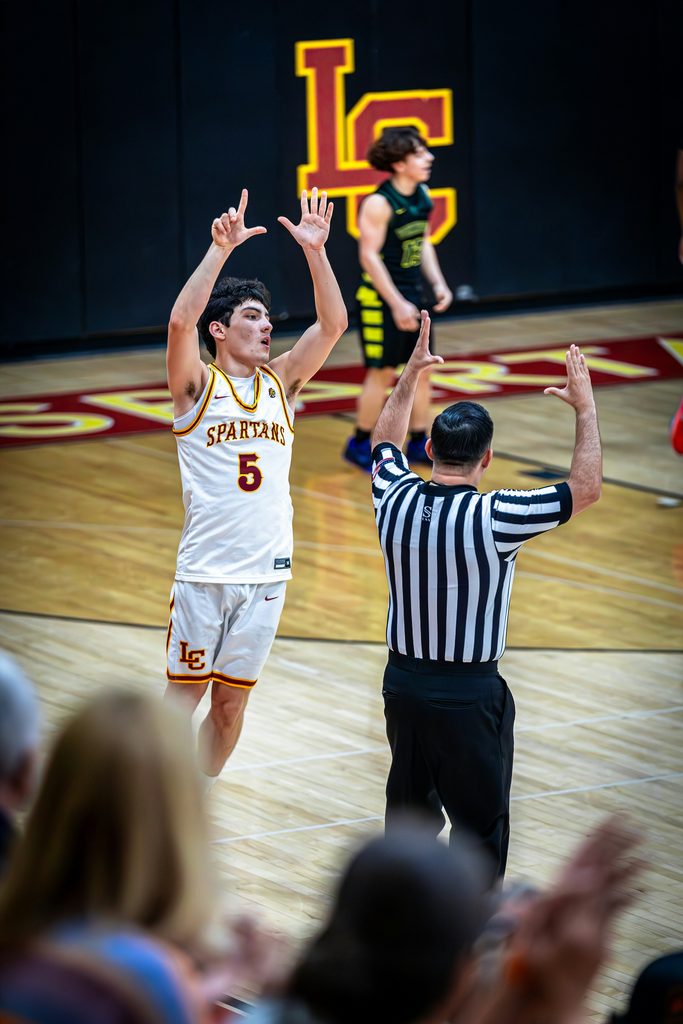
While a large percentage of games may include some light heckling toward an official, it is the wound-up parent, player, coach, or administrator who can forget that the people behind the mask or whistle are there by choice—and often at significant personal cost—to make sure the games go on for someone other than themselves.
Research and surveys have found that 70–80% of newly licensed officials leave within the first three years, with treatment they receive often cited as a significant reason for hanging it up.
The officials assigned to a game are expected to be as dedicated to the game as the parents, coaches, and fans. They must help ensure player safety, work in extreme conditions—snow, rain, and blistering heat—and work multiple games in a day and throughout a weekend. These tournaments will not happen without these individuals.
While the percentage of spectators, coaches, athletes, or administrators who engage in abusive behavior may be relatively small, the impact on officials—and on the future of officiating—is significant.
When officials leave, the shortage grows. And when the shortage grows, the workload placed on the officials who remain becomes even greater.
The Growing Crisis
Across every sport, officiating organizations are experiencing shortages and trying to figure out how to recruit, train, and, most importantly, RETAIN officials for more than three years.
Youth sports is a big business and growing bigger by the day. The competitiveness of the games is greater than ever, and expectations for officials to be perfect have grown as well. The crisis is enhanced when parents, coaches, and fans feel they can take their game frustrations out on officials. As a result, officials are leaving at an alarming rate.
For those officials who stay in the game, workloads are greatly increased. Overworked officials can become exhausted, which can affect their ability to perform at the level they would under a normal workload.
The cycle is vicious: officials are recruited, trained, subjected to abuse, and eventually quit. Then the cycle begins again.
How Does This Affect Sports Tourism?
From the outside, officiating shortages may appear to be an issue for athletic associations. The reality is that the shortage goes far beyond the courts and fields.
Cities invest greatly in attracting tournaments, often dedicating entire departments to understanding and maximizing their economic impact. Restaurants serve thousands of guests, hotels reach capacity, retail stores see increased foot traffic, and gas stations serve more customers. The additional tax revenue benefits all aspects of a city. A single weekend tournament can generate millions of dollars in economic activity.
As the crisis continues and fewer people sign up to officiate—or more officials quit—tournaments can be shortened, teams may demand refunds, and hotels and restaurants can become emptier. The millions generated by a tournament can be reduced to thousands.
Shedding light on how important officials are to economic impact is, in many ways, protecting sports tourism itself.
More Than Rule Enforcers
While officials are the rule enforcers, they are much more than that. They are guardians of the game and are expected to:
- Model professionalism
- Promote safety
- Manage conflict
- Remain calm under pressure
- Teach accountability and respect for authority
- Explain rules and expectations
Every contest has dozens of teachable moments. When officials are set up for success and allowed to manage the game as they were trained, players can learn valuable lessons about accountability, communication, respect, and composure.
Planning your next sporting event? Explore Sports Planning Guide.

The Human Side of the Official
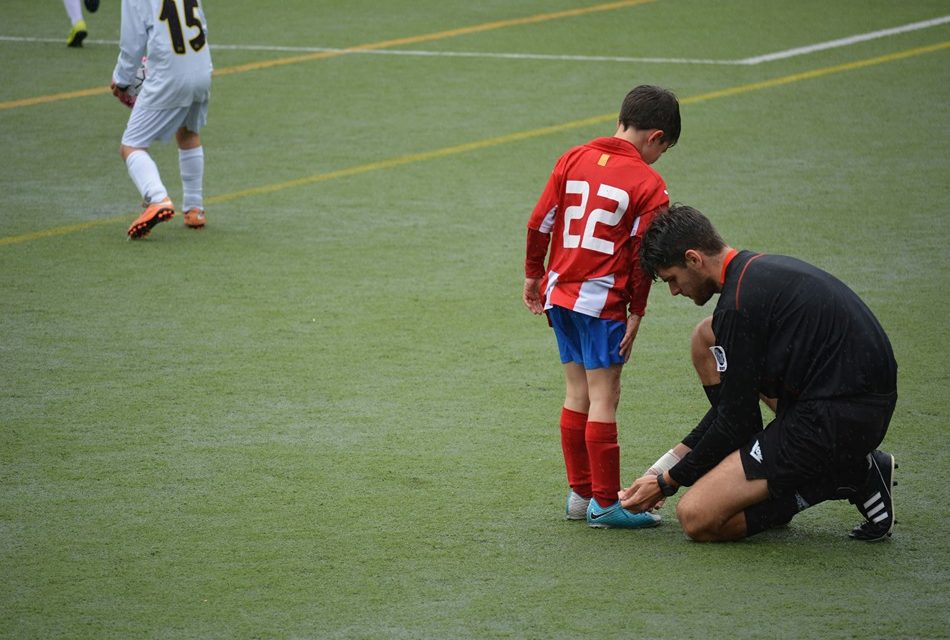
One of the greatest misconceptions in sports is that officials are not human once they step onto a court or field. They are parents, caregivers, business owners, veterans, teachers, and community volunteers—just as coaches, parents, fans, and organizers are.
Like everyone else, officials are not perfect and make mistakes. The difference is that mistakes made by officials often happen in front of hundreds, if not thousands, of people.
Technology has only increased the scrutiny. Social media commentary can create unrealistic expectations for individuals making split-second decisions in real time.
Those attending games would not want someone coming to their workplace and verbally abusing them. Officials should be able to expect the same basic level of respect. No one expects perfection from athletes or coaches. Officials deserve the same understanding.
Creating a Better Environment
Research into why officials stay—or leave—points to three fundamental human needs: competence, control, and connection. This framework is rooted in Self-Determination Theory (SDT), a way of understanding human motivation.
These are the Three Cs:
COMPETENCE: Officials need to feel prepared and capable of doing their jobs well. Quality training, education, feedback, and development help create that confidence.
CONTROL: Officials need clear advancement pathways and objectives, so they have a20sense of control over their development and officiating trajectory.
CONNECTION: Officials need to feel welcomed, mentored, supported, and connected to a group. Camaraderie matters.
In officiating, it is easy to see how abuse can harm all three. It is hard to feel competent when others constantly question or attack your ability. It is difficult to feel in control when the environment is unpredictable or hostile. And it is difficult to feel connected when an official feels isolated.
If organizations want to address the officiating crisis, they need to account for the 3 C’s in all aspects of officiating. Relevant questions include:
- Is our training sufficient to ensure officials feel competent?
- Are advancement pathways clear and objectives defined so officials have a sense of control over their trajectories?
- Can we take steps to make officials feel welcome, mentored, and connected as a group?
- Have we done enough to reduce officiating abuse and protect officials from harm so that the 3 C’s—which we worked so hard to build—are not eroded?
The exemplar organizations will be the ones that truly invest in reducing abuse and increasing sportsmanship through education with athletes, coaches, and spectators.
The culture in which officials work matters. Keeping officials requires an environment where they feel supported, respected, and safe. Better compensation, improved training, and meaningful mentorship can all play a role, but ultimately, creating an environment where officials want to be will dictate long-term success.
Recruiting officials gets them through the door. Creating a culture they want to remain a part of keeps them there.
What Can Tournament Hosts Do?
In today’s world of travel athletics, protecting officials also means paying attention to the environment in which they work.
Tournament and event organizers can make a meaningful difference by providing:
- Places for officials to change and prepare.
- Opportunities for constructive feedback and advancement.
- A locker room or designated space where officials can take a breather, grab a sandwich and a drink, and reset between games.
- Clear expectations for sportsmanship and respectful behavior.
- A process for addressing inappropriate spectator or coach behavior.
- Opportunities to build camaraderie and connection among officials.
- Consistent interaction from event organizers that shows officials they are not on an island by themselves when they step into the arena.
Like any other profession or hobby, when someone shows up and feels valued and cared for, they are more likely to enjoy what they do. When someone enjoys what they do and is prepared to continue doing it well, they are far more likely to remain part of it in the future.
See what’s making headlines across the sports tourism industry.
Next Steps
Sports tourism depends on the tournaments hosted in cities. Host cities depend on hotels, restaurants, and retail stores to serve visitors. Tournament organizers depend on teams to attend. Participating teams depend on organization from all parties. Everyone depends on having game officials. Without them, there are no games.
When you host or attend your next tournament, look beyond the whistle or mask and recognize the people making the games possible. Remember the human being behind it. Protecting that person may be one of the most important investments we can make in the future of sports.
Every game begins with a whistle. Protecting the people willing to blow it protects the future of the game and the communities that depend on it.