In the 1800s, when America was still a young nation, portions of Texas were known as the Wild West, where lawlessness ran rampant and cowboys ruled the land.
The Wild West has been mythologized in film and on television, and even today, visitors descend upon the Lone Star State to experience Old West streets, saloons and battle sites that bring those stories to life. For sports planners, many of these Old West towns also sit near modern fields, arenas and rodeo grounds, making it easy to blend tournaments with authentic cowboy culture.
Some of the best Old West towns in Texas that also work well for tournaments and team trips include Boerne, Bandera, El Paso, Fort Davis, Fort Worth, Gonzales, Lubbock, Pecos and San Antonio. Each offers historic attractions alongside nearby sports facilities or rodeo venues.
Here are some of the best Old West towns in Texas that still honor the state’s western history—and give groups and tournament directors plenty to work with between games.
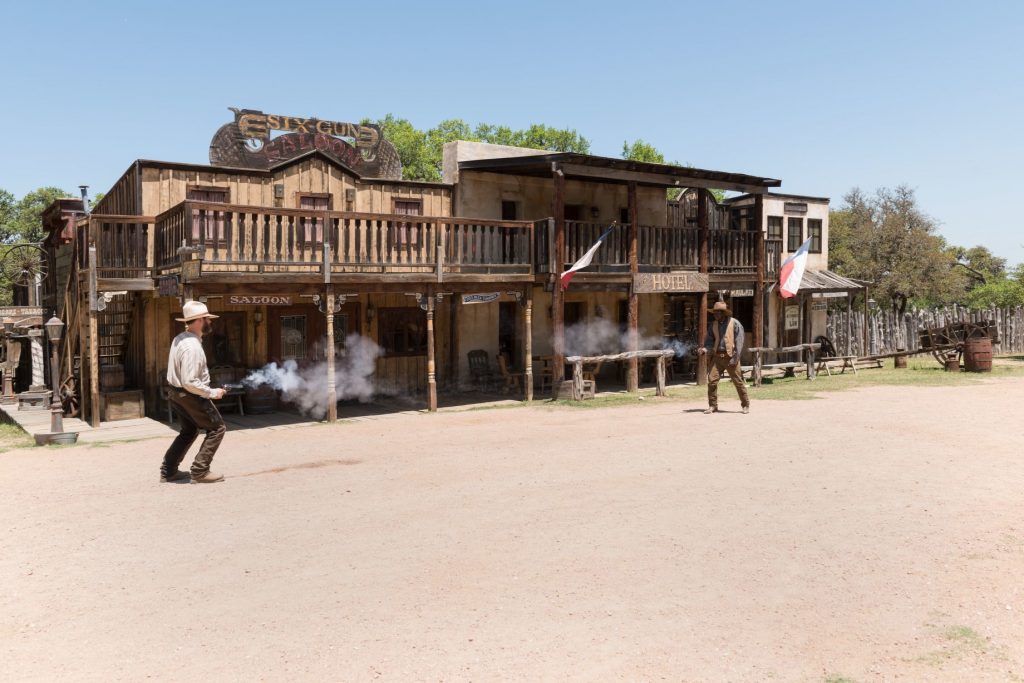
Boerne, Texas
Enchanted Springs Ranch, Boerne, Texas
The Enchanted Springs Ranch in Boerne, a small city 31 miles north of San Antonio, is an exact replica of an Old West town. The ranch was originally part of the early settlement of Boerne, and buildings were later added to give it an Old West feel.
Visitors can saddle up their horse at a carriage house before heading over to a saloon to enjoy sarsaparillas or visiting the general store to purchase some essentials. The ranch offers multiple options for groups, including BBQ dinners and corporate functions in its private event spaces.
Planner angle: Boerne is also quietly building a strong recreation infrastructure. Northrup Park, just over 100 acres, is the city’s home for baseball and softball with fields used for Little League and adult leagues and available to rent for tournament play. A new Northside Community Park project will add multi-use athletic fields, covered basketball courts and 12 outdoor pickleball courts, creating even more options for team practices and skills sessions between Western-themed outings.
Bandera
In the Texas Hill Country, the small town of Bandera, 53 miles west of San Antonio, has been described as the “Cowboy Capital of the World.” That title originated when the town became a staging area for the last great cattle drives of the late 1800s. Guests can experience Bandera’s robust rodeo tradition by staying at one of its dude ranches, where horseback excursions and chuckwagon meals are still the norm.
Tournament groups can also tap into Bandera’s live cowboy culture. Mansfield Park’s rodeo arena hosts the Bandera Pro Rodeo Association’s Memorial Day and Labor Day PRCA rodeos, along with roping events, mutton bustin’ and more. That schedule gives planners built-in Western entertainment that pairs naturally with nearby baseball, softball or equestrian events.
You can learn more about ranch experiences in Texas and beyond in Home on the Range. For inspiration on rodeo-themed events, see North America’s Top Rodeos.
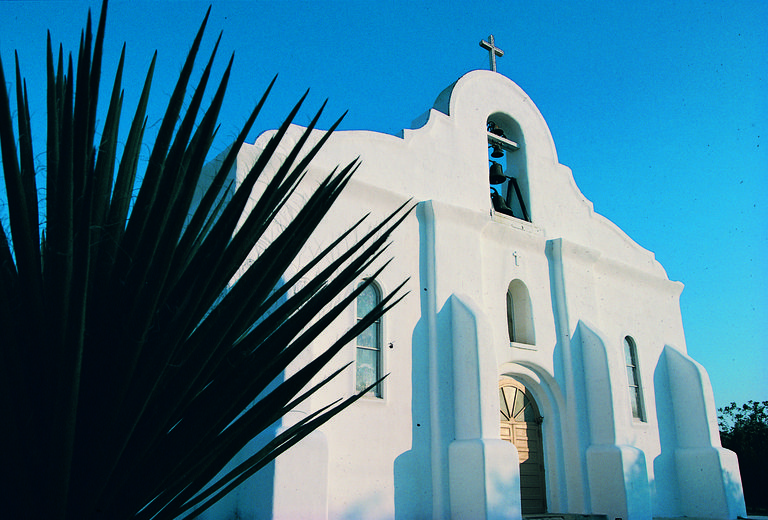
El Paso, Texas
El Paso, situated in the far western corner of Texas, was considered one of the most dangerous cities in the Old West thanks to its history of gunfights. Perhaps the most famous El Paso battle was the Four Dead in Five Seconds Gunfight, which occurred April 14, 1881, in which four men were killed in a gunfight that lasted no more than five seconds.
Today, downtown ghost and gunfighter tours share that history on guided walks that highlight cemeteries, Old West shootouts and El Paso’s days as the “Six Shooter Capital of the World.”
Planner angle: El Paso backs up its legends with modern facilities. El Paso County Sportspark is a state-of-the-art tournament complex that hosts youth and adult baseball and softball leagues and special events on multiple lighted fields. East Side Sports Complex, home to events like the Copa de Campeones and EPPL Summer Challenge, offers multi-field layouts for youth soccer tournaments. Pairing tournament play with a gunfighters-and-ghosts tour gives teams a memorable way to learn Old West history after the final whistle.
Fort Davis
The centerpiece of the Fort Davis National Historic Site, located in West Texas, is one of the best-preserved frontier forts in the Southwest. From 1854 to 1891, Fort Davis was strategically located to protect emigrants, mail coaches and freight wagons on the Trans-Pecos portion of the San Antonio–El Paso Road and the Chihuahua Trail. Today, visitors can explore restored buildings and interpretive exhibits that highlight the fort’s role in the settlement of the western frontier and the history of the Buffalo Soldiers.
Planner angle: Fort Davis doesn’t host large-scale sports events, but it works well as an educational side trip for teams competing elsewhere in West Texas. Hiking trails around the fort create low-impact conditioning opportunities, and ranger-led programs can double as team-building experiences in an authentic historic setting.
To learn more about Texas attractions and facilities, be sure to Download the Sports Planning Guide for FREE
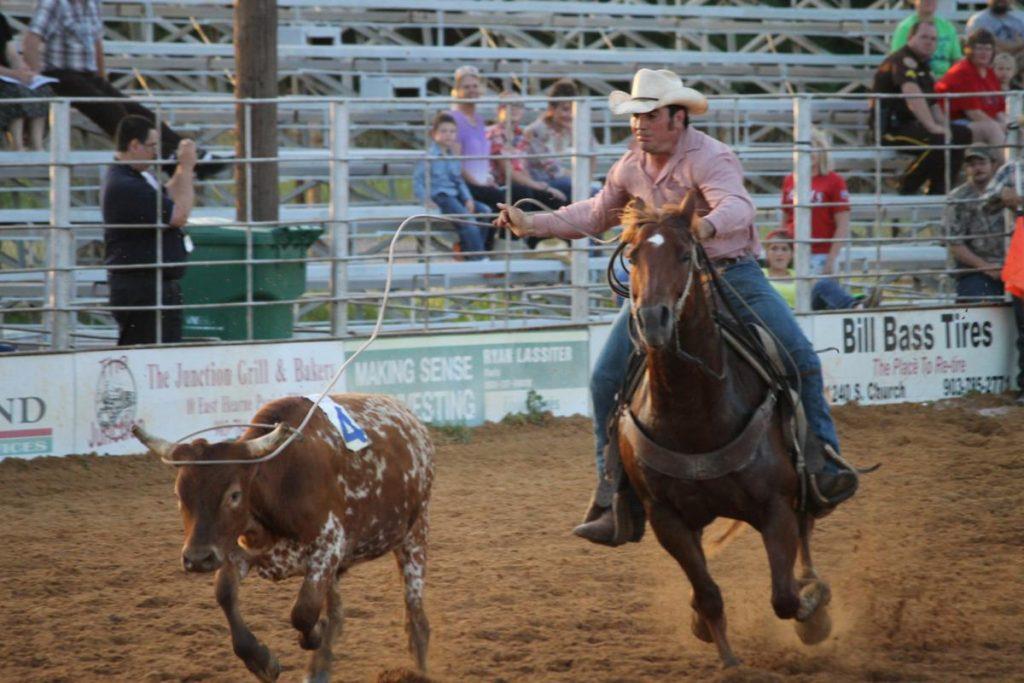
Fort Worth, Texas
Numerous cities keep the Old West alive with a rodeo.
Fort Worth features some of the country’s finest museums of the American Old West, including the Sid Richardson Museum, which showcases Western art from Frederic Remington, Charles M. Russell and other major artists. The National Cowgirl Museum and Hall of Fame provides a historical perspective on the achievements of some of the most daring cowgirls in the nation, with archives that hold thousands of artifacts in a 33,000-square-foot facility.
The Old West also comes to life in the Stockyards National Historic District, where the Fort Worth Herd longhorn cattle drive takes place twice daily, billed as the world’s only event of its kind. On weekends, the historic Cowtown Coliseum hosts the Stockyards Championship Rodeo, a year-round rodeo featuring bull riding, roping, barrel racing and more.
Planner angle: Fort Worth layers this heritage on top of big-city sports infrastructure. Multi-sport venues like Game On Sports Complex and Game On Arena host basketball, volleyball and indoor events, while Dickies Arena, the Fort Worth Convention Center and city parks deliver championship-level options for nearly every sport. The Fort Worth Sports Commission actively recruits and supports tournaments, giving rights-holders a single point of contact for venues, hotels and community engagement.
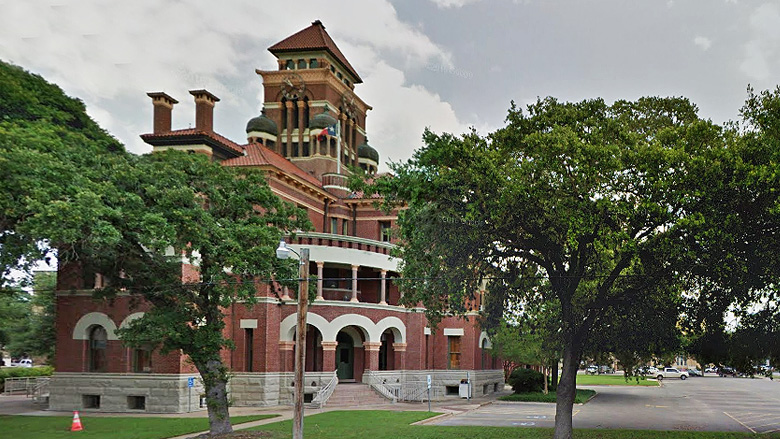
Gonzales, Texas
Gonzales’ famous “Come and Take It” cannon is a Spanish-made bronze artillery piece that resides in the Gonzales Memorial Museum. The gun was the object of contention in 1835 between a Mexican military detachment from Béxar and American colonists who settled in Texas. The disagreement produced the Battle of Gonzales, considered the first battle of the Texas Revolution.
The cannon’s colorful “Come and Take It” moniker refers to the motto adopted by the Texian rebels. A few days prior to the battle, two women from Gonzales hastily prepared a flag with an image of a cannon and the words “Come and Take It.”
Planner angle: Independence Park, along the Guadalupe River, gives Gonzales a surprisingly robust event footprint, with Little League and softball/baseball fields, soccer fields, basketball and volleyball courts, a swimming pool, rodeo arena, show barn, RV park and a 9-hole golf course. Combined with school athletic facilities such as Apache Field, the city can support small to mid-size tournaments that want a historic backdrop and compact footprint.
Lubbock, Texas
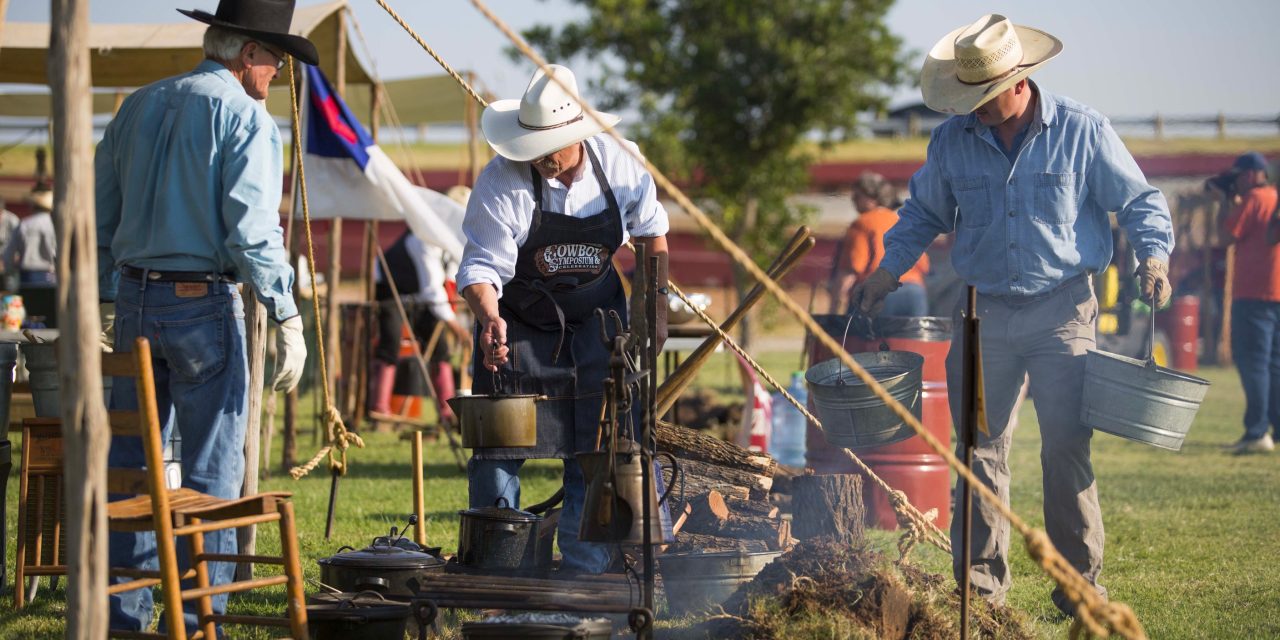
Held each year in early September, the National Cowboy Symposium & Celebration in Lubbock celebrates the culture of the American cowboy. It includes entertainers, poetry, storytelling, interviews with authors of Western books, film showings, a youth Wild West day, horse-handling demonstrations, a parade, Native American activities, a chuck wagon cook-off and Western artwork and merchandise vendors.
Planner angle: Lubbock is also a serious sports destination. Facilities like the Berl Huffman Athletic Complex and Lubbock Youth Sports Complex together offer dozens of fields for soccer, baseball and softball tournaments, including 16 baseball/softball diamonds with centralized concessions and covered seating at the Youth Sports Complex. A new 137,000-square-foot youth multi-sport complex, featuring six basketball courts, 12 volleyball courts and an 1,800-seat championship arena, is expected to draw thousands of visitors on tournament weekends once it opens
Be sure to Read More Lubbock, Tx information FREE and get even more facility information
Pecos, Texas
Pecos, on the western side of the state, embodies the spirit of West Texas like few other towns. It resides in the heart of the desert amid colossal mountains and is home to historic military forts and the world’s first rodeo, which took place in 1883.
The rodeo still takes place today as the West of the Pecos Rodeo at Buck Jackson Arena and has become one of the Professional Rodeo Cowboys Association’s top 40 prize-money rodeos. It has been held annually since 1883 and has been honored by both the ProRodeo Hall of Fame and the Texas Rodeo Cowboy Hall of Fame.
Planner angle: For rodeo promoters and Western sports rights-holders, Pecos is a bucket-list stop. The town’s rodeo heritage gives events instant credibility, while the arena, parade traditions and local lodging partners are already accustomed to handling contestants, stock contractors and fans over multi-day events
San Antonio, Texas
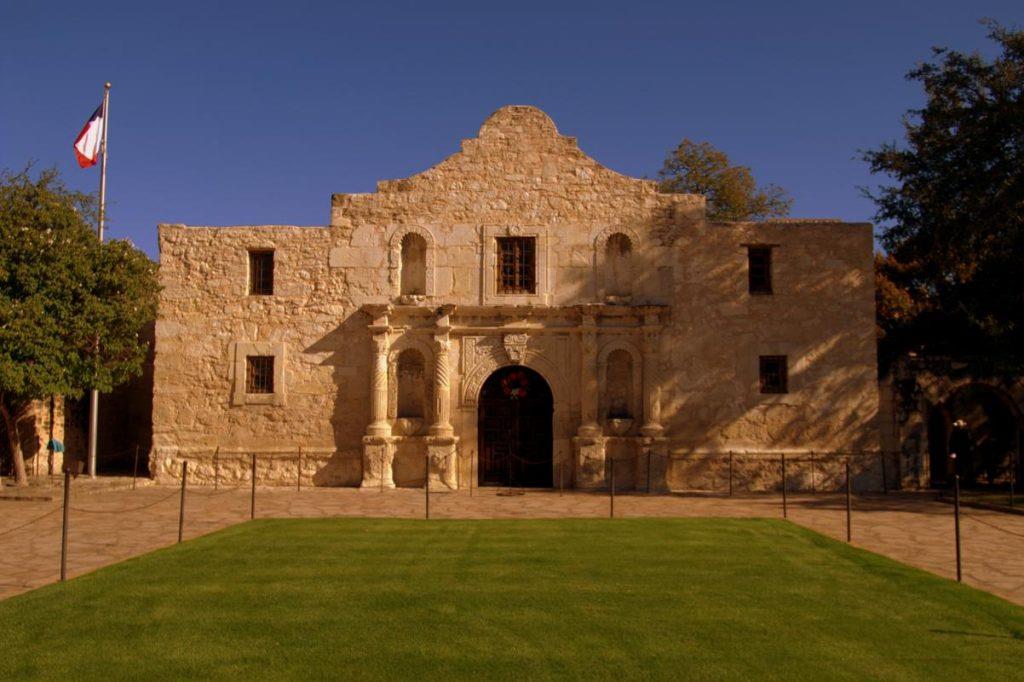
The Alamo, San Antonio, Texas
The Alamo is perhaps the most famous building in Texas, thanks to the fabled Battle of the Alamo, which unfolded between February 23 and March 6, 1836. In that pivotal event in the Texas Revolution, Mexican troops launched an assault on the Alamo Mission, but Texans held out for 13 days against a much larger force.The site has been restored and expanded into a major historic complex, with exhibits and educational programming that give visitors a deeper understanding of the battle and its legacy.
The Buckhorn Saloon and Museum in downtown San Antonio is home to a large collection of wildlife exhibits and the Texas Ranger Museum, along with a historic saloon, café and shooting gallery. Mission Concepción, in the center of San Antonio, is the oldest unrestored stone church in the United States. Erected in 1755, it appears much as it did two centuries ago and still preserves original frescoes in several rooms.
Planner angle: San Antonio pairs this deep history with big-event experience, regularly hosting NCAA championships, large soccer tournaments and multi-sport weekends across facilities like Alamo Sportsplex, Culebra Creek Soccer Park and the Alamodome. Teams can play during the day and spend evenings along the River Walk or at the Alamo, giving parents and athletes a full Texas itinerary without leaving the city core.
Frequently Asked Questions
Q1. Which Old West town in Texas is best for combining rodeo action with a tournament?
Bandera, Fort Worth and Pecos are strong choices. Each offers authentic rodeo experiences plus nearby fields or arenas, so teams can compete during the day and enjoy live rodeo performances or Stockyards entertainment at night.
Q2. Can I host a youth baseball or softball tournament in an Old West–style setting?
Yes. Towns like Boerne, Gonzales, Lubbock and El Paso have multi-field complexes suitable for youth baseball and softball. Many sit within a short drive of historic districts, ranches and Western museums, making it easy to schedule Old West experiences on off-days.
Q3. Are these Old West towns easy to reach for traveling teams?
Most of the destinations listed are within driving distance of major Texas airports—San Antonio, El Paso, Lubbock and Dallas–Fort Worth—and offer hotel clusters that understand sports groups. That makes bus logistics, airport transfers and room blocks manageable for regional and national events.
Q4. How can I build Western-themed experiences into my tournament schedule?
Plan for one marquee experience per day: a downtown gunfighters tour in El Paso, a cattle drive and rodeo in Fort Worth, a session at an Old West ranch in Boerne or a museum visit at the Alamo or Buckhorn in San Antonio. Many of these attractions offer group pricing and private tours with advance notice.